
Beautiful Plants For Your Interior
Beautiful Plants For Your Interior
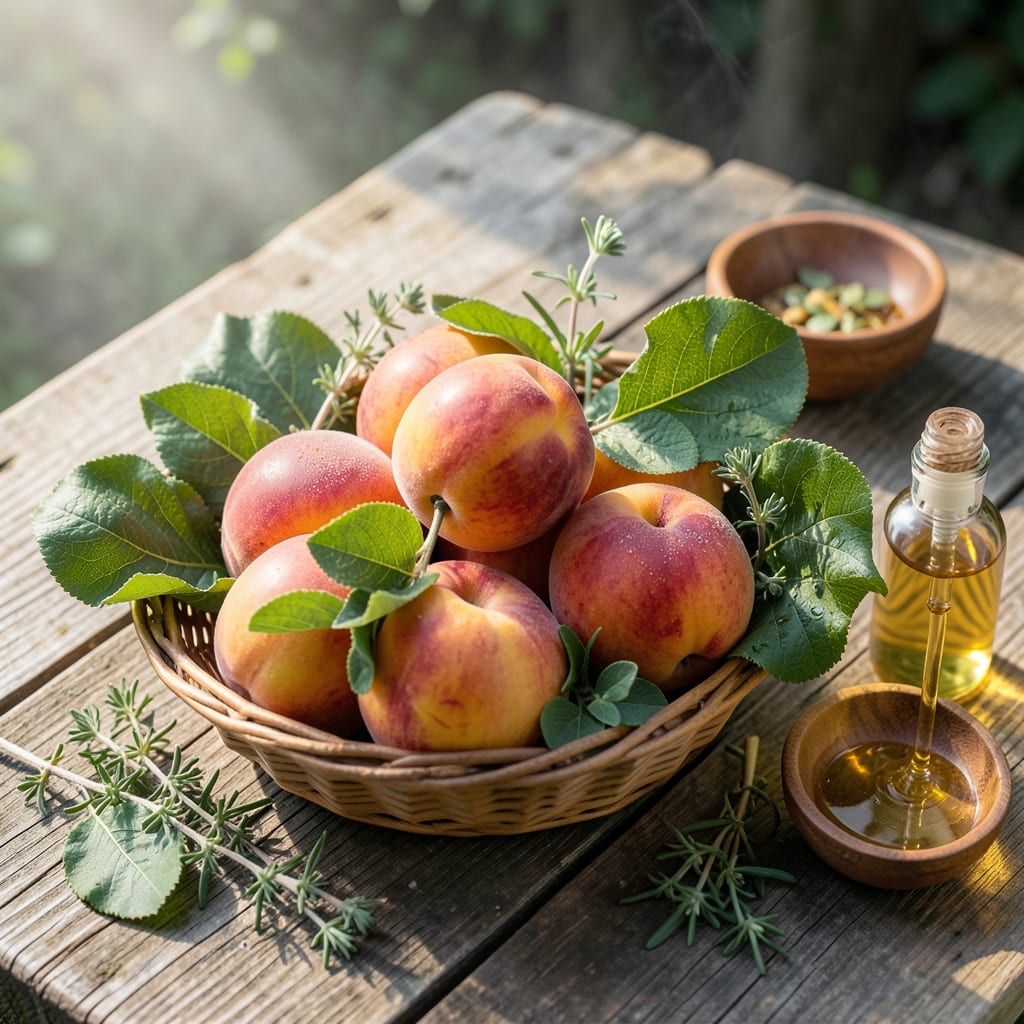
Those twisted red leaves on your nectarine tree aren’t just ugly—they’re a cry for help. I’ve battled leaf curl for seasons, and the organic solutions actually work better than anything chemical.
The key is timing: treat in late winter before buds swell, then follow up after leaf drop. Copper spray works, but I prefer a simple baking soda mix that’s just as effective and won’t harm pollinators.
You’ll see new growth emerge clean and vibrant green within weeks. The tree recovers faster each season as you build its natural resistance through consistent care.
Works for peaches too. Here’s the step-by-step that saved my orchard.
Nectarine leaf curl is a frustrating yet preventable issue, and understanding its root causes is the first step to organic control. Here’s a breakdown of the primary culprits behind this common disease:
The main perpetrator is the fungus Taphrina deformans, which thrives in cool, wet conditions. This pathogen overwinters in bark crevices and bud scales, then infects emerging leaves in spring as temperatures hover between 50–70°F (10–21°C) with prolonged moisture. The fungus disrupts cell growth, causing the characteristic red, puckered, and curled foliage. Without intervention, it weakens the tree and reduces fruit yield.
Wet, humid weather—especially during bud break and early leaf development—creates the perfect breeding ground for Taphrina deformans. Overhead irrigation, poor air circulation, or locations with high rainfall can exacerbate the problem. Trees in shaded, damp areas are particularly vulnerable, as prolonged leaf wetness allows fungal spores to germinate and penetrate tissue.
Some nectarine (and peach) varieties are more prone to leaf curl due to genetic susceptibility. Older or stressed trees, as well as those with compromised immune systems from poor nutrition or root damage, are less equipped to fend off the fungus. Young trees and certain cultivars may show severe symptoms even in mild outbreaks.
Fallen leaves, fruit mummies, and untreated bark lesions harbor fungal spores year-round. Failing to remove and destroy infected plant debris allows the pathogen to persist and reinfect the tree in the next growing season. Pruning tools contaminated with spores can also spread the disease to healthy branches.
Nectarine leaf curl can be frustrating, but organic solutions can restore your tree’s health. Below are targeted fixes for each cause, along with prevention tips to keep the problem from returning.
Fix: Remove and destroy all infected leaves and fruit to prevent the fungus from spreading. Apply copper fungicide (organic-approved) in late winter or early spring before buds swell. For existing infections, spray baking soda solution (1 tbsp baking soda + 1 tsp liquid soap + 1 gallon water) every 7–10 days until symptoms subside.
Prevention: Prune trees to improve airflow, and avoid overhead watering. Clean up fallen leaves and debris in autumn to eliminate fungal spores.
Fix: Reduce watering frequency and ensure the soil has proper drainage. If the tree is in a low-lying area, consider amending the soil with compost or creating a small mound to elevate the root zone.
Prevention: Water at the base of the tree in the morning to allow foliage to dry quickly. Mulch with organic material to retain moisture without waterlogging.
Fix: Shield young trees from late frosts with frost cloth or burlap. For heat stress, provide afternoon shade with shade cloth during peak summer months.
Prevention: Plant nectarine trees in a location with consistent temperatures. Use mulch to insulate roots and maintain even soil moisture.
Fix: Introduce beneficial insects like ladybugs or lacewings to control aphids and mites. Spray neem oil (organic) weekly at dusk to disrupt pest life cycles without harming pollinators.
Prevention: Inspect leaves regularly for early signs of infestation. Encourage a diverse garden ecosystem to naturally keep pest populations in check.
💡 Pro Tip: Always sterilize pruning tools with rubbing alcohol between cuts to avoid spreading disease. Healthy trees are less susceptible, so prioritize balanced organic fertilization and proper care year-round!
Treat in late winter before buds swell, then again after leaf drop. Early spring applications are most effective against fungal spores.
Yes! A baking soda solution (1 tbsp per gallon of water + 1 tsp soap) works well. Spray every 7–10 days until symptoms fade.
Susceptibility varies by cultivar. Stressed trees or those in damp, shaded areas are more vulnerable. Proper pruning improves airflow.
Yes, copper fungicide is organic-approved. Apply before bud break to prevent infection without harming pollinators.
