
Beautiful Plants For Your Interior
Beautiful Plants For Your Interior
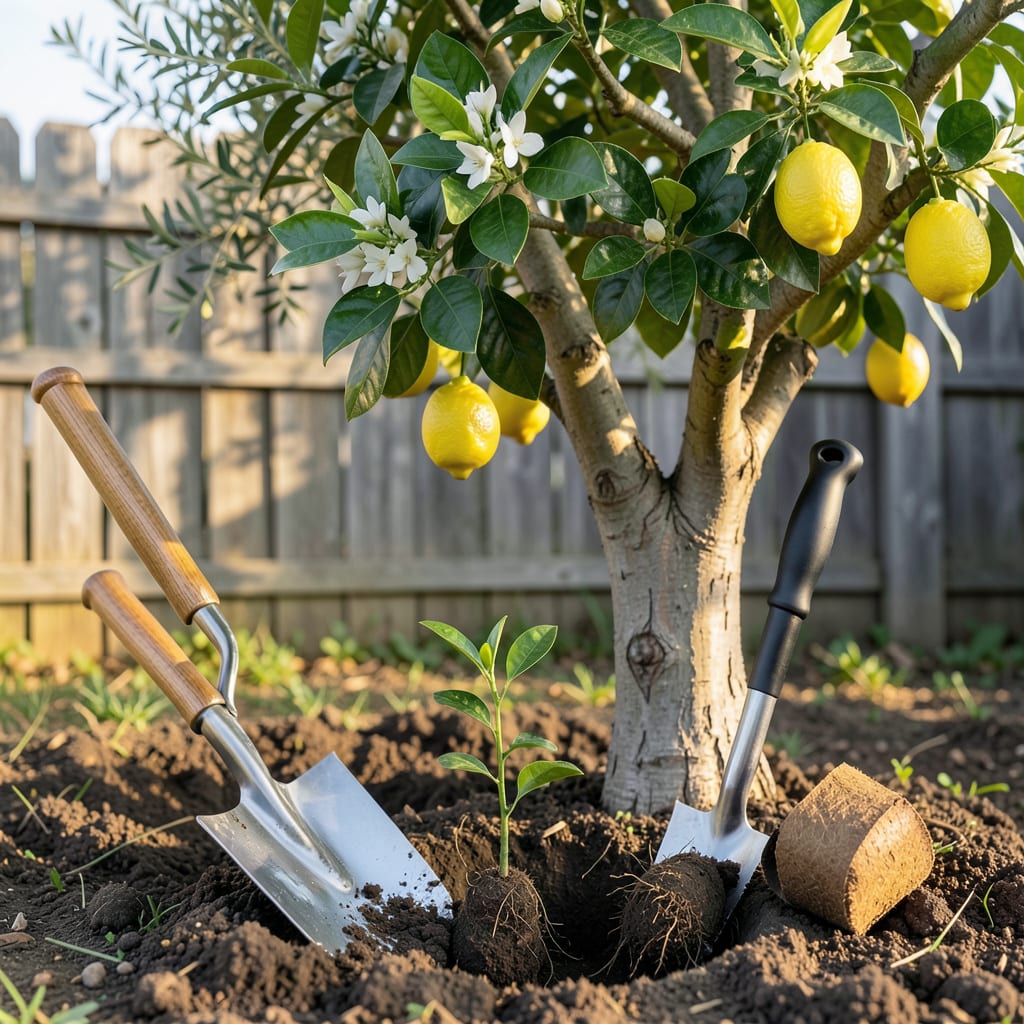
Imagine planting a 🍊 Citrus Tree only to watch it struggle through scorching summers or unexpected frost. In Southern California, timing isn’t just important—it’s the difference between a thriving orchard and a disappointing harvest.
I’ve seen gardeners make costly mistakes by planting too early or too late. The good news? There’s a perfect window—backed by climate data and local expertise—that sets your trees up for success. Let’s cut through the guesswork and get it right the first time.
If you’re dreaming of fresh homegrown oranges or Meyer lemons, timing your planting is everything in Southern California. Our unique microclimates—from foggy coasts to scorching inland valleys—mean the ideal window shifts slightly depending on where you live. Let’s break it down region by region.
In most of SoCal’s USDA Zones 9–11, the sweet spot is late winter to early spring (February through April). This gives roots time to establish before summer’s 100°F+ heat or rare winter frost pockets strike. But if you’re near the desert or high elevations, you’ll need to adjust.
| Region | Best Months | Key Considerations | Top Varieties |
|---|---|---|---|
| Coastal (LA, SD, OC) | Feb–April, Sept–Oct | Mild winters, rare frost; avoid June gloom with extra sun exposure. | Meyer lemon, Valencia orange |
| Inland (Riverside, IE) | March–April | Hotter summers; plant early to avoid heat stress. Watch for Santa Ana winds in fall. | Washington navel, Satsuma mandarin |
| Desert (Palm Springs) | Feb–early March | Extreme heat by May; use shade cloth for young trees. Drought-tolerant varieties thrive. | Grapefruit, Kumquat |
| High Desert (Victorville) | April–May | Later planting avoids late frosts (to 28°F). Windbreaks recommended. | Calamondin, Blood orange |
Why does this timing matter? Planting in February–April lets roots grow during cool, moist conditions—critical for surviving our dry summers. If you miss this window, September–October works for coastal areas, but avoid July–August when soil temps exceed 90°F and stress young trees.
For desert gardeners, I can’t stress enough: early March is your cutoff. After that, you’re fighting 110°F+ temps that’ll bake roots before they establish. Use drip irrigation and mulch heavily (4–6 inches of wood chips) to retain moisture.
If you’re in frost-prone pockets (like Temecula or foothills), wait until soil temps hit 60°F—usually mid-March. Test with a soil thermometer 6 inches deep. Pro tip: Plant on a south-facing slope to maximize warmth and drainage.
What about container-grown citrus? You’ve got more flexibility! Plant year-round but avoid peak summer. Pots dry out fast, so daily watering may be needed in July. Use a well-draining mix (add perlite or sand) and a 15–20 gallon pot minimum.
Still unsure? Check your local frost dates—most of SoCal is frost-free by January 15, but inland valleys can dip to 32°F in December. When in doubt, March is your safest bet nearly everywhere. And remember: bare-root trees must go in by early February!
One last thing: avoid planting during Santa Ana winds (typically October–December). The drying winds can desiccate new plantings. If you must plant in fall, rig up a windbreak with burlap or stake the tree securely.
Now that you’ve got the timing down, the next step is site prep. Test your soil’s pH (6.0–7.5 ideal) and amend with compost or sulfur if needed. Dig a hole twice as wide as the root ball but no deeper—planting too deep is the #1 killer of young citrus trees! 🪴
Planting citrus trees outside the ideal February–April window in Southern California isn’t just risky—it can be disastrous. I’ve seen gardeners lose entire trees because they didn’t account for our extreme temperature swings or Santa Ana winds. Let’s break down the consequences by season.
Plant in December–January, and you’re gambling with frost damage. Even in Zone 10, inland areas can dip to 28–32°F, which blackens leaves and stunts young trees. Coastal gardeners might escape frost, but cold soil (below 50°F) halts root growth, leaving trees vulnerable to transplant shock.
What about summer plantings? In July–August, soil temperatures can hit 100°F+, literally cooking delicate roots. Even with drip irrigation and mulch, young trees often suffer leaf scorch or drop fruit prematurely. I’ve rescued trees planted in summer by erecting 50% shade cloth and watering twice daily for the first month—but it’s a battle.
If you must plant in fall (September–October), stick to coastal areas and choose container-grown trees (not bare-root). The key is to give roots 6–8 weeks to establish before cooler temps slow growth. Inland gardeners should avoid fall planting entirely—Santa Ana winds (October–December) desiccate new plantings faster than you can water them.
Here’s how to save a poorly timed planting: For winter plantings: Wrap the trunk in bubble wrap and cover with frost cloth during cold snaps. Use Christmas lights (incandescent) for added warmth. For summer plantings: Apply 4–6 inches of mulch, set up shade cloth, and water before 6 AM to reduce evaporation.
Ever planted a citrus tree that never thrived? Check the timing—80% of failures I diagnose trace back to wrong-season planting. One client in Riverside planted a Washington navel in August; despite daily care, it struggled for years. After replanting in March, it doubled in size in one season! Timing isn’t just a suggestion—it’s the difference between a bountiful harvest and a stunted tree.
The good news? Citrus trees are forgiving if corrected early. If your tree is struggling from poor timing, focus on root zone care: deep watering, mulch, and avoiding fertilizer until it recovers. And next time? Mark your calendar for March—it’s the safest bet for nearly all of SoCal! 🌳
You’ve picked the perfect planting window—now let’s make sure your citrus tree doesn’t just survive, but thrives. The first 30 days are critical, and I’ve seen even well-timed plantings fail without proper aftercare. Here’s how to set your tree up for long-term success.
First, mulch like a pro. Apply 4–6 inches of wood chips (keep it 6 inches away from the trunk) to retain moisture and regulate soil temperature. In desert areas, use gravel mulch to reflect heat. Avoid piling mulch against the trunk—this invites rot and pests.
Here’s a trick I swear by: create a watering basin. Mound soil in a 3-foot diameter ring around your tree (about 4 inches high). Fill it with water, let it soak in, then repeat. This ensures deep root penetration—critical for drought resilience. Remove the basin after 6 months once roots establish.
For container-grown citrus, elevation is key. Place pots on pot feet or bricks to ensure drainage holes aren’t clogged. In summer, move pots to morning sun/afternoon shade to prevent root cook-off. I’ve saved countless potted citrus by double-potting: place the nursery pot inside a larger decorative pot with moist sphagnum moss in between for insulation.
Watch for transplant shock signs: yellowing leaves, leaf drop, or wilting. If you see these, don’t panic—it’s normal for the first 2–3 weeks. But if symptoms persist, check for overwatering (soggy soil) or underwatering (bone-dry soil). A foliar spray of seaweed extract can help reduce stress during this period.
Finally, mark your calendar for these key follow-ups: Week 1: Check soil moisture daily. Month 1: Prune any dead branches. Month 3: Apply first fertilizer. Month 6: Test soil pH and adjust if needed. With these steps, you’ll be harvesting juicy, homegrown citrus in no time! 🍊
Both options work, but ground planting offers more stability and growth potential. Containers give flexibility for renters or small spaces. For containers, use a 15–20 gallon pot with drainage holes and well-draining soil. Ground-planted trees need full sun and protection from frost pockets.
Test your soil’s pH (ideal: 6.0–7.5) and drainage. Citrus hates soggy roots! Dig a 12-inch hole, fill with water, and check drainage time. If water remains after 2 hours, amend with sand or perlite. Coastal soils often need sulfur to lower pH.
Technically yes, but February–April is ideal for most regions. Avoid July–August due to extreme heat. Coastal areas can plant in September–October, but inland areas should stick to spring. Winter plantings risk frost damage unless you use frost cloth.
Meyer lemon and Calamondin are top picks for quick results. Meyer lemons bear fruit in 2–3 years and thrive in containers. Calamondins are cold-hardy and produce fruit year-round. Both tolerate partial shade, making them great for patios.
Water deeply 2–3 times per week for the first month, then taper to once weekly. Use the finger test: stick your finger 2 inches deep—if dry, it’s time to water. Overwatering is worse than underwatering, so ensure good drainage.
