
Beautiful Plants For Your Interior
Beautiful Plants For Your Interior
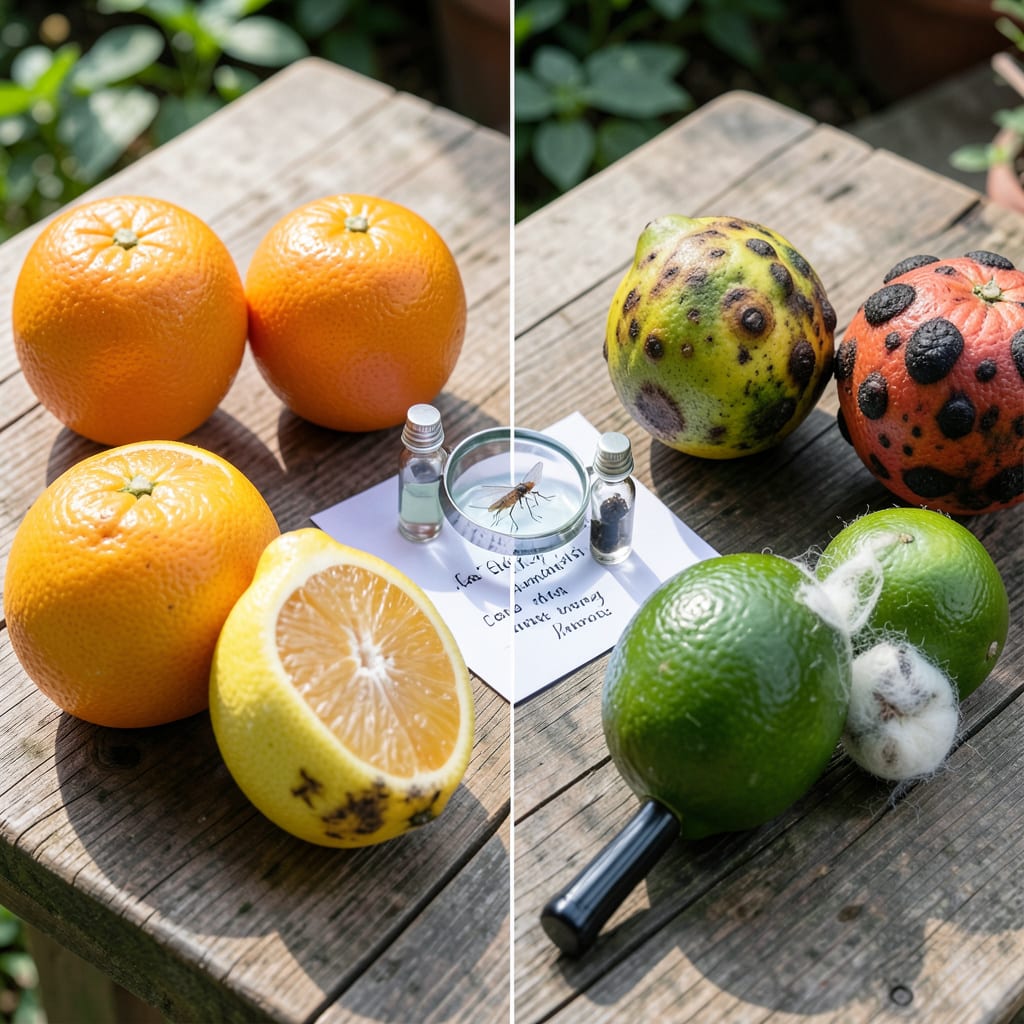
Yellow leaves, sticky residue, or black soot on your citrus trees? I’ve been there—watching healthy foliage turn into a pest playground overnight. The key is catching problems early before they spiral.
Most citrus issues start with stressed plants—overwatering, poor drainage, or nutrient deficiencies invite trouble. Scale, aphids, and mites love weak trees, while fungal diseases thrive in damp conditions. A little vigilance goes a long way.
Organic solutions often work best: neem oil for pests, copper sprays for fungal issues, and proper pruning to improve airflow. Prevention beats cure every time with citrus.
This guide helps you spot the warning signs fast and act before your harvest suffers. No guesswork, just clear next steps.
Citrus trees are hardy, but they’re not invincible. Several key factors create the perfect storm for pests and diseases to take hold. Understanding these causes helps you prevent problems before they start.
Extreme weather—drought, heatwaves, or excessive rain—weakens citrus trees, making them vulnerable. Water stress reduces sap flow, while high humidity encourages fungal growth like Phytophthora root rot. Poor drainage can also lead to waterlogged roots, attracting soil-borne pathogens.
Weak or unbalanced ecosystems invite pests. Aphids, scale insects, and citrus leafminers pierce plant tissues, creating entry points for viruses and bacteria. Diaphorina citri (Asian citrus psyllid), for example, spreads Candidatus Liberibacter asiaticus, the bacterium behind Huanglongbing (HLB), a devastating citrus greening disease.
Over- or under-fertilizing disrupts tree health. Excess nitrogen promotes soft, pest-friendly growth, while nutrient deficiencies (e.g., zinc or iron) stress trees. Improper pruning can also leave open wounds, inviting infections like Citrus canker (Xanthomonas citri).
Pathogens hitch rides on unsterilized pruning tools or infected plant material. Fusarium and Verticillium fungi thrive in contaminated soil, while virus-carrying nematodes spread through shared equipment. Always disinfect tools with 10% bleach solution or 70% isopropyl alcohol between uses.
Monoculture citrus groves lack natural predators to control pests. Beneficial insects like ladybugs and parasitic wasps decline without diverse plantings, allowing pest populations to explode. Interplanting with marigolds, basil, or nasturtiums can deter pests and attract pollinators.
Tackling citrus pests and diseases starts with quick action and smart prevention. Below are targeted fixes for common issues, paired with tips to keep your trees thriving.
Blast off pests with a strong water spray or apply neem oil or insecticidal soap every 5–7 days until gone. Prevention tip: Encourage ladybugs and lacewings—natural predators that devour these pests.
Prune crowded branches to boost airflow and reduce humidity. Treat with copper fungicide or baking soda spray (1 tbsp baking soda + 1 tsp dish soap + 1 gallon water). Prevention tip: Water at the base in the morning so foliage dries quickly.
Mites thrive in dry conditions. Mist leaves regularly or use a humidifier nearby. For infestations, apply horticultural oil. Prevention tip: Keep trees dust-free—mites love dusty leaves.
Cut off infected branches 6 inches below the canker and sterilize tools with rubbing alcohol. Burn or bag affected plant parts—never compost. Prevention tip: Use copper sprays before rainy seasons, when bacteria spread easily.
Stop watering immediately and repot in fresh, well-draining soil. Trim black, mushy roots with sterile shears. Prevention tip: Use containers with drainage holes and a gritty soil mix.
Consistency is key—inspect trees weekly and act at the first sign of trouble. Healthy citrus starts with vigilance!
Check your trees weekly for early signs of trouble like yellowing leaves or sticky residue. Catching issues early prevents them from spreading.
Yes! A mixture of 1 tablespoon baking soda, 1 teaspoon dish soap, and 1 gallon water works well against fungal diseases. For pests, neem oil is a natural option.
Yellow leaves often signal nutrient deficiencies, overwatering, or pest damage. Check soil moisture and look for pests like aphids or mites.
Use well-draining soil and containers with drainage holes. Avoid overwatering and ensure the roots never sit in standing water.
