
Beautiful Plants For Your Interior
Beautiful Plants For Your Interior
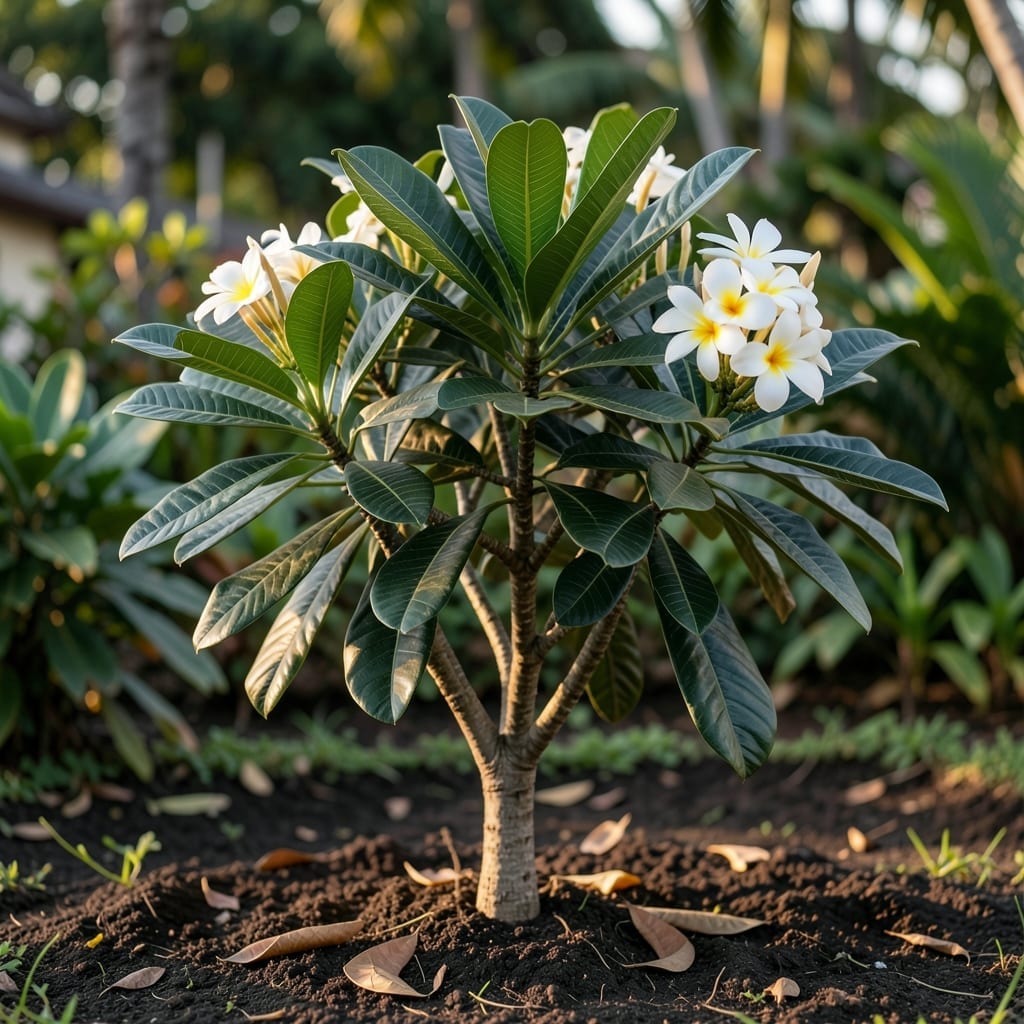
Pure white blooms that stop neighbors in their tracks. 🌟 I fell for all white plumeria after one sniff of its intoxicating fragrance at dusk—now my garden has three, each more stunning than the last.
These thrive with full sun and well-draining soil, rewarding you with dozens of blooms each season. The key is patience through winter dormancy, then watching them explode with growth when warmth returns.
📚 In This Guide
This method delivers vibrant, fragrant blooms with minimal fuss—even in less-than-perfect climates.
Plumeria thrive in full sun (at least 6-8 hours daily), so select a spot with unobstructed southern exposure. In cooler climates, a 15-20 gallon container with drainage holes allows you to move the plant indoors when temperatures drop below 50°F. Terra cotta works well, but I prefer plastic for its lighter weight—easier to relocate when needed.
Ensure the container is deep enough to accommodate the taproot, which can grow 12-18 inches long. If planting in the ground, amend the soil with coarse sand or perlite to improve drainage. Poor drainage is the #1 killer of plumeria, so never let the roots sit in water.
If starting with a cutting, let it callus for 5-7 days in a dry, shaded spot before planting. This prevents rot when the cutting meets moist soil. Plant the callused end 2-3 inches deep in a well-draining mix of 50% cactus/succulent soil and 50% perlite. Water lightly, just enough to settle the mix around the base.
For the first 2-3 weeks, keep the soil barely moist—not soggy. Overwatering at this stage causes stem rot. You’ll know the cutting has rooted when you see new leaf growth or resistance when gently tugging the stem. Here’s the thing—new growth can take 4-8 weeks, so patience is key.
Once established, plumeria are drought-tolerant but demand full sun to bloom. If growing in a container, rotate it quarter turn weekly to ensure even growth. In zones below 10-11, move pots indoors before the first frost. Place them near a south-facing window or under grow lights for 12-14 hours daily.
Real talk: without enough light, your plant won’t flower. If you notice yellowing leaves or leaf drop in winter, it’s likely due to insufficient light or a drop in temperature. A small space heater nearby (safely positioned) can help maintain the ideal 65-80°F range.
Water deeply but infrequently—only when the top 1-2 inches of soil feel dry. In summer, this might mean watering every 5-7 days, but always check the soil first. Plumeria hate wet feet, so if in doubt, wait another day. I use a moisture meter to take the guesswork out of it.
Feed with a high-phosphorus fertilizer (like 10-30-10) every 2-3 weeks during the growing season to encourage blooming. Switch to a balanced fertilizer (20-20-20) in early spring to support new growth. Stop fertilizing in late fall to allow the plant to enter dormancy naturally.
Prune in early spring, just as new growth begins. Remove dead or crossing branches first, then shape the plant as desired. Make cuts just above a leaf node or branch junction to encourage bushier growth. Sterilize your pruners with rubbing alcohol between cuts to prevent disease spread.
Don’t skip this (I learned the hard way)—pruning stimulates new growth and more blooms. Collect the cuttings if you’d like to propagate new plants. They’ll root readily in 4-6 weeks with the same care as your original cutting.
Took me years to figure these out, so here’s what works best.
Light Requirements: The 6-8 hours of daily full sun in Step 1 isn’t optional—it’s essential for those stunning white blooms. If your climate can’t provide this naturally, supplement with grow lights for 12-14 hours daily as mentioned in Step 3. South-facing windows work, but even they can fall short in winter.
Container Depth Matters: That 12-18 inch taproot needs room to stretch. Shallow containers stunt growth and reduce flowering. If planting in the ground, ensure the hole is deep enough to prevent root coiling—this can choke the plant over time.
Watering Wisdom: The 1-2 inches of dry soil rule from Step 4 is your best guide. Plumeria roots rot fast in soggy soil, so when in doubt, wait. A moisture meter removes the guesswork, but your finger works just as well—stick it in the soil up to your second knuckle. If it’s dry, it’s time to water.
Temperature Control: The 65-80°F range in Step 3 is ideal, but don’t panic if it dips slightly below. Just avoid anything under 50°F, as that’s when cold damage starts. In colder climates, move pots indoors before the first frost and keep them near a heat source if needed.
Keep it in full sun (6+ hours daily) and well-draining soil. Water deeply but let the soil dry between waterings. Fertilize with high-phosphorus fertilizer every 2-3 weeks during growing season for vibrant blooms.
Blooming typically occurs from late spring to fall, depending on climate. Warmer regions may see flowers earlier. Ensure consistent warmth (above 50°F) and proper care to encourage timely blooms.
Yes! Use a large pot with drainage holes and a well-draining potting mix. Repot every 2-3 years or when roots outgrow the container. Potted plumeria may need more frequent watering and feeding.
Common causes include insufficient sunlight, overwatering, or lack of nutrients. Check for pests, adjust care, and ensure it’s getting enough phosphorus. Patience is key—some plumerias take 2-3 years to bloom.