
Beautiful Plants For Your Interior
Beautiful Plants For Your Interior
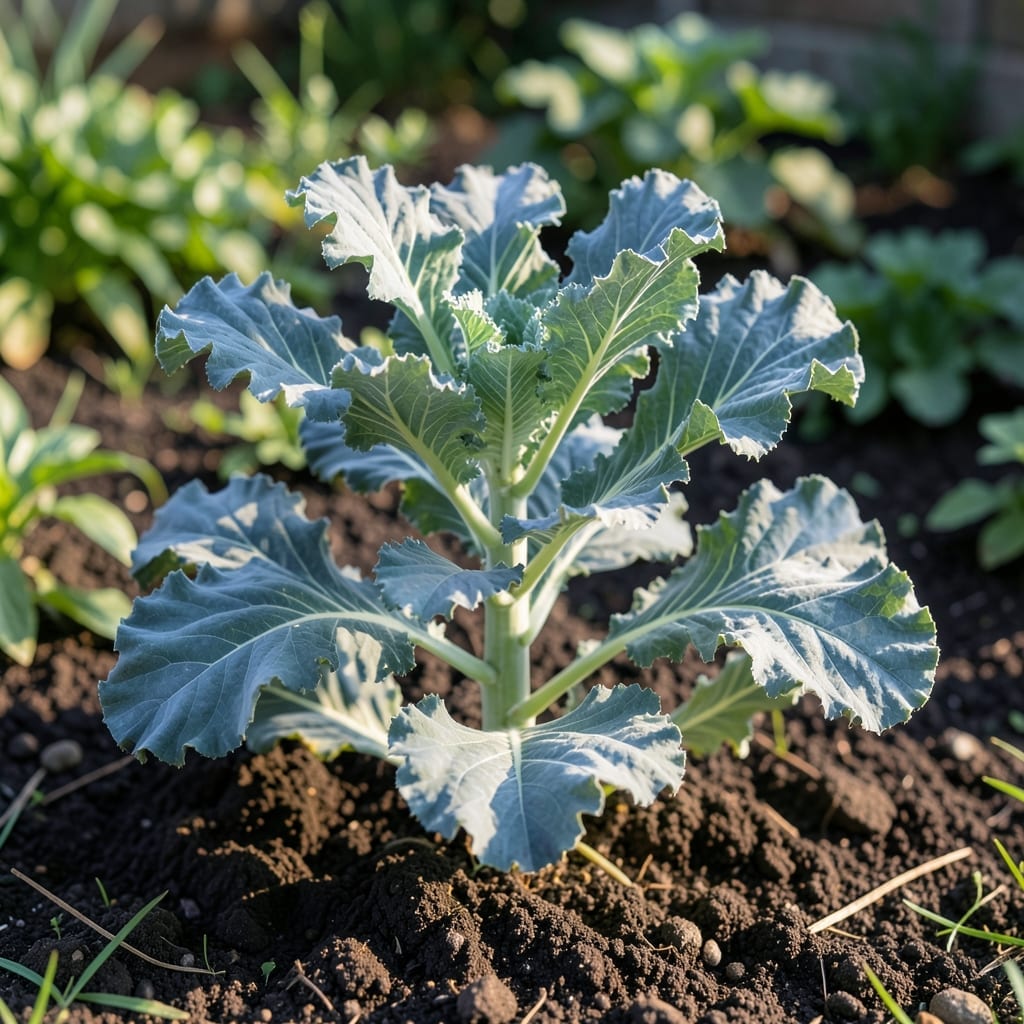
I first grew NagoyaWhite kale three winters ago and it changed how I garden. This heirloom laughs at frost, sweetens with cold, and keeps producing through sub-freezing temperatures.
You’ll harvest tender leaves for 10+ months from a single planting. The plants stay productive through snow and heat, making it the most reliable green in my garden. Here’s how to make it thrive.
📚 In This Guide
This heirloom variety thrives in cool weather and rewards careful attention with tender, flavorful leaves.
Choose a location with full sun to partial shade, though Nagoya White Kale performs best with at least 6 hours of direct sunlight daily. The soil should be well-draining, rich in organic matter, and slightly acidic to neutral (pH 6.0-7.0).
Work the soil to a depth of 12 inches, removing any rocks or debris. I always mix in a 2-3 inch layer of compost to boost fertility. The goal is a loose, crumbly texture that allows roots to penetrate easily while retaining moisture.
Direct sow seeds ¼ to ½ inch deep, spacing them 1 inch apart in rows 18 inches apart. If starting indoors, transplant seedlings when they have 3-4 true leaves, placing them 12-18 inches apart in all directions.
Water immediately after planting, ensuring the soil is evenly moist but not waterlogged. Seeds typically germinate in 7-14 days when soil temperatures are between 60-75°F. Thin seedlings to 12 inches apart once they reach 2-3 inches tall to prevent overcrowding.
Keep the soil consistently moist, providing 1-1.5 inches of water per week through rainfall or irrigation. Kale has shallow roots, so avoid letting the top 1 inch of soil dry out completely. A layer of mulch helps retain moisture and suppress weeds.
Fertilize lightly with a balanced, organic fertilizer every 4-6 weeks to encourage steady growth. I’ve found that a side dressing of compost mid-season gives Nagoya White Kale the nutrient boost it needs for continuous harvests.
Watch for common pests like aphids and cabbage worms. I handpick pests early in the morning when they’re sluggish, or use floating row covers to create a physical barrier. For aphids, a strong blast of water often dislodges them without the need for chemicals.
Nagoya White Kale is cold-hardy, but young plants benefit from protection during unexpected hard frosts below 25°F. Use cloches or row covers to shield plants, and avoid harvesting leaves that have been exposed to freezing temperatures until they’ve thawed completely.
Begin harvesting the outer leaves when the plant reaches 8-10 inches tall, usually 50-60 days after sowing. Use clean, sharp scissors to snip leaves at the base, leaving the central growing point intact for regrowth.
Regular harvesting encourages bushier growth. Avoid removing more than one-third of the plant at a time to prevent stress. The leaves are sweetest after a light frost, and with proper care, Nagoya White Kale will produce well into late fall and even winter in milder climates.
These small adjustments make a big difference in your harvest quality.
Sunlight Optimization: While this variety tolerates partial shade, the 6 hours of direct sunlight mentioned in Step 1 is non-negotiable for maximum leaf tenderness. I’ve noticed plants getting less than this produce tougher, more bitter leaves. Position your rows east-to-west to capture morning sun, which is gentler on young plants.
Soil Preparation Insight: The 12-inch depth in Step 1 isn’t arbitrary—kale roots grow deep when allowed. When working in that 2-3 inch layer of compost, make sure it’s fully decomposed to avoid nitrogen competition with your seedlings. A simple test: if you can see distinct bits of organic matter, let it break down further before planting.
Watering Precision: That 1-1.5 inches of water weekly in Step 3 is critical during germination. Use a rain gauge or straight-sided can to measure—most people underestimate how much their sprinklers deliver. And remember, shallow roots mean the top 1 inch of soil drying out can stress plants within hours during hot spells.
Frost Protection Timing: The 25°F threshold in Step 4 is when damage occurs to unprotected foliage. Young plants are most vulnerable, so don’t wait until frost is forecast to set up your cloches or row covers. I learned this the hard way after losing an entire bed to an unexpected early freeze.
Yes! This cold-hardy heirloom has strong natural resistance to powdery mildew and other foliar diseases, making it a low-maintenance choice. Just ensure good air circulation to keep it thriving.
Plant in early spring or late summer for a fall harvest. Cooler temperatures reduce stress and lower disease risks, helping your kale stay healthy and productive.
Absolutely! Use a large container (12+ inches deep) with well-draining soil. Container growing can even help prevent soil-borne diseases while giving you fresh greens on a patio or balcony.
Yellowing leaves may signal overwatering, nutrient deficiency, or pest issues. Check soil moisture, fertilize with compost, and inspect for pests like aphids. Remove affected leaves promptly to prevent spread.