
Beautiful Plants For Your Interior
Beautiful Plants For Your Interior
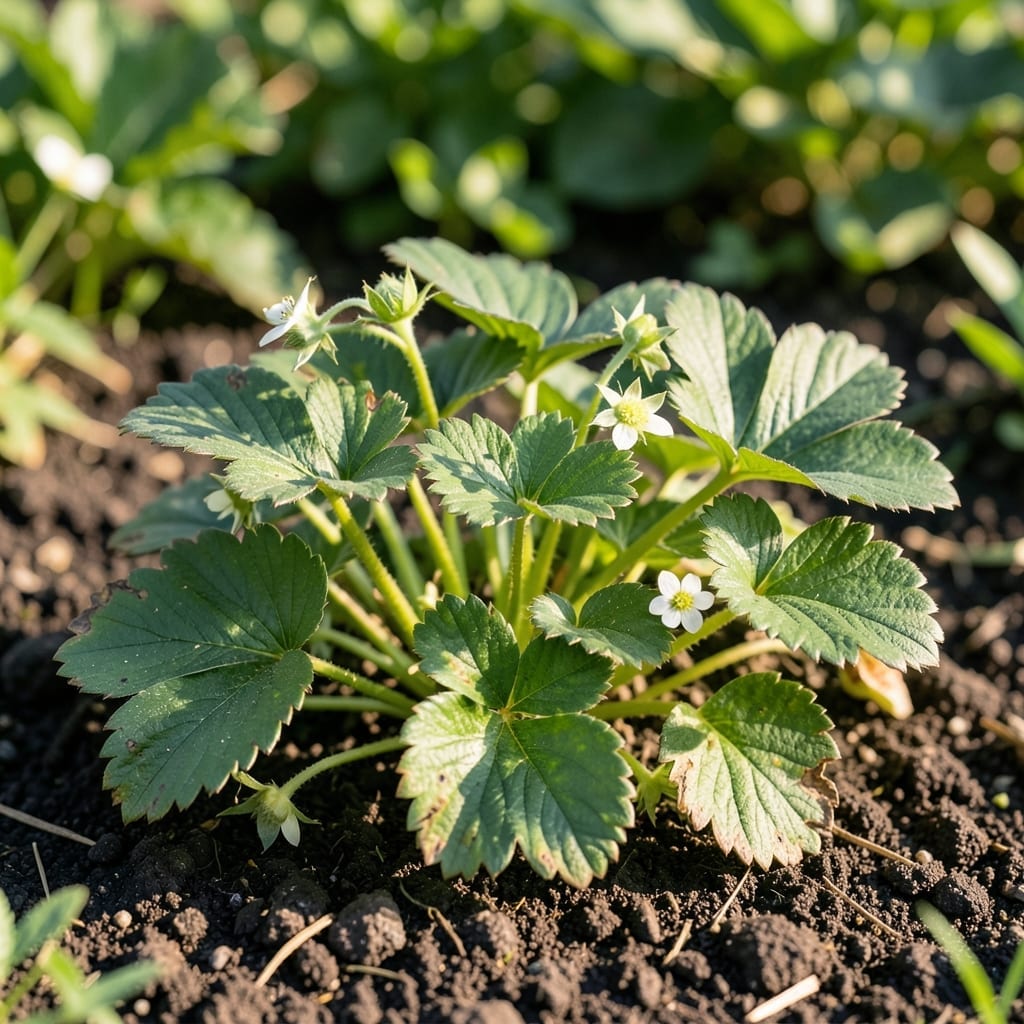
Dry strawberry leaves always signal something’s off with your plants. I’ve seen this happen mid-season when it seems like everything was going fine, only to find crispy edges spreading fast.
Most times it’s a watering issue—either too much or too little. But pests and diseases can mimic the same look, so you’ll need to check the soil, inspect the undersides of leaves, and look for other clues before you act.
Removing the damaged leaves is step one, but the real fix is adjusting care to prevent it from coming back. A little attention now saves your entire harvest.
Works for in-ground beds, containers, and hanging baskets. Here’s how to diagnose and fix it for good.
Understanding why strawberry leaves dry out is the first step to preventing it. Here are the most common causes, explained simply but with scientific precision:
Extreme temperatures, either too hot or too cold, can cause cellular damage in strawberry leaves. High heat accelerates transpiration (water loss through leaves), while frost disrupts cell membranes, leading to dehydration and browning. Strawberries thrive in 60–80°F (15–27°C)—outside this range, leaves often dry up as a stress response.
Both underwatering and overwatering harm leaves. Too little water starves roots of moisture, forcing leaves to wither. Conversely, soggy soil suffocates roots, blocking nutrient uptake and causing oxidative stress. Aim for consistent moisture—1–1.5 inches of water per week, adjusted for rainfall.
Pathogens like Podosphera aphanis (powdery mildew) or Fragaria × ananassa leaf blight disrupt photosynthesis by clogging stomata (leaf pores). Infected leaves turn dry and brittle as the plant’s immune response redirects energy away from them. Copper-based fungicides or neem oil can help, but prevention (air circulation, avoiding overhead watering) is key.
Sap-sucking pests like aphids or spider mites pierce leaf cells, draining fluids and introducing toxins. The resulting necrotic spots (dead tissue) spread, drying out entire leaves. Check undersides for webbing or tiny insects—insecticidal soap or beneficial ladybugs are effective controls.
Lack of potassium or magnesium often manifests as dry, crispy leaf edges. Potassium regulates water movement, while magnesium is central to chlorophyll production. A balanced fertilizer (e.g., 10-10-10) or Epsom salt spray (for magnesium) can restore leaf health.
When your strawberry plants start showing dry, crispy leaves, quick action can save the rest of the plant—and your harvest. Below are targeted fixes for the most common causes, plus tips to keep leaves lush and healthy.
If the soil feels dry 1 inch down, your plant is thirsty. Water deeply at the base (not the leaves) 2–3 times a week, or daily in extreme heat. Use a drip system or soaker hose to avoid wetting the foliage, which can invite fungal issues. Prevention tip: 💡 Mulch with straw to retain moisture and reduce evaporation.
Leaves turning brown and brittle at the edges? Too much direct sunlight may be the culprit. Move potted plants to partial shade (4–6 hours of sun) or erect shade cloth (30–50% coverage) over garden rows. Water in the early morning to hydrate plants before the day’s heat. Prevention tip: 🌡️ Acclimate new plants gradually to full sun over 1–2 weeks.
Spotted dry patches with yellow halos? Fungi like leaf spot or powdery mildew could be spreading. Prune affected leaves immediately (sterilize scissors with rubbing alcohol between cuts) and apply a copper fungicide or neem oil spray. Space plants 12–18 inches apart for airflow. Prevention tip: ✨ Avoid overhead watering and rotate crops yearly to break disease cycles.
Yellowing leaves with dry tips often signal a potassium or magnesium shortage. Mix a balanced fertilizer (10-10-10) into the soil, or use compost tea for a gentle boost. For potassium, add wood ash (sparingly) or crushed bananas peels to the soil. Prevention tip: 🎯 Test soil every 2–3 years and amend as needed.
Yes, prune them right away to prevent disease spread. Use clean scissors and cut at the stem base. This redirects energy to healthy growth.
Soggy soil suffocates roots, blocking nutrient uptake. Check soil moisture 1 inch down before watering again.
Mulch with straw, ensure 60-80°F temps, and space plants 12-18 inches apart. Consistent moisture is key.