
Beautiful Plants For Your Interior
Beautiful Plants For Your Interior
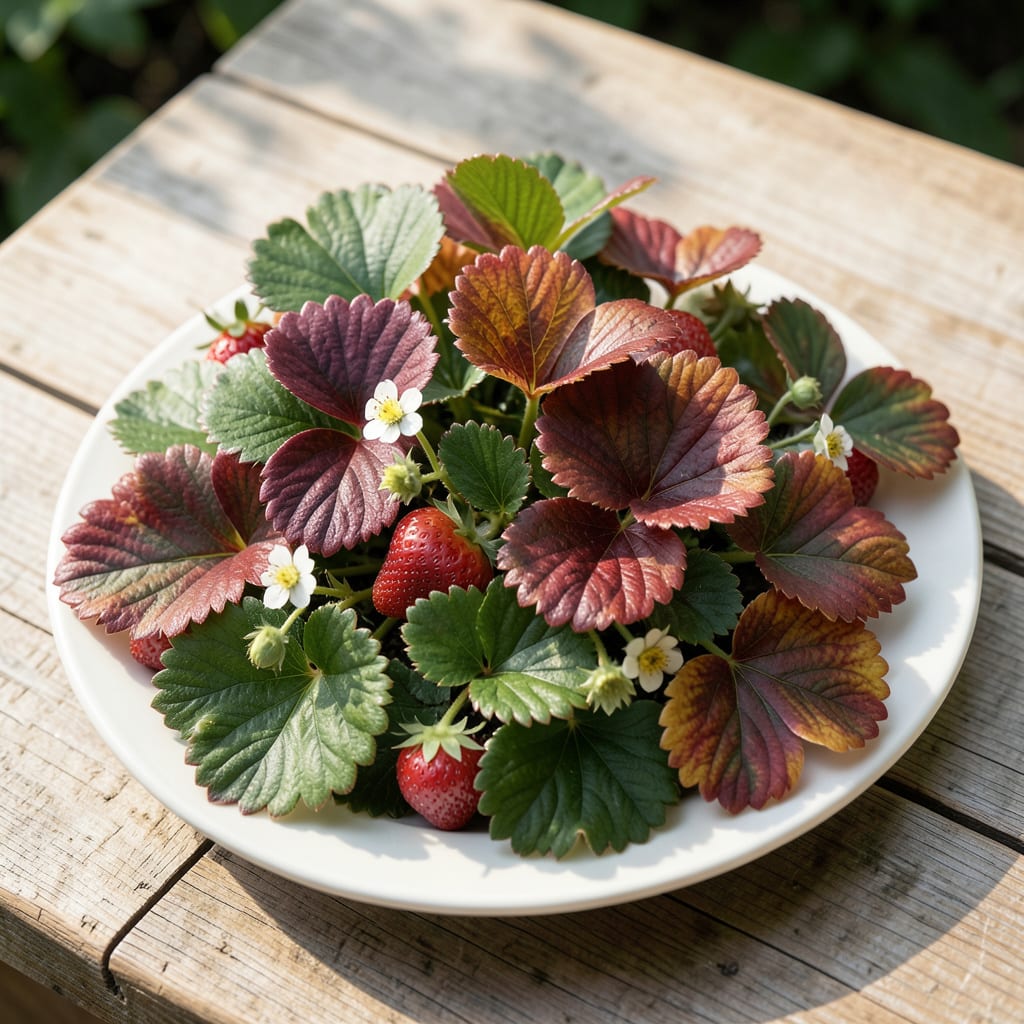
Red strawberry leaves caught me off guard last season. Turns out, it’s often a cry for help—either missing nutrients or environmental stress throwing your plants off balance.
I’ve seen this happen with low phosphorus or potassium levels, or when cold snaps or too much sun shock the system. Sometimes, it’s even overwatering or poor drainage doing the damage.
The good news? Most fixes are simple: adjust your soil, tweak your watering, or shield plants from extremes. A soil test can confirm what’s missing.
With the right tweaks, your strawberries will bounce back to that vibrant green and keep producing sweet, juicy berries all season long.
Strawberry leaves turning red often signal underlying issues that disrupt normal plant function. Below are the most common causes, explained with actionable insights.
Extreme heat or cold can trigger anthocyanin production, the pigment responsible for red hues in leaves. Strawberries thrive in 60–80°F (15–27°C). When temperatures drop below 32°F (0°C) or rise above 90°F (32°C), the plant diverts energy to protect itself, leading to reddening. Solution: Use row covers for frost protection or shade cloth during heatwaves.
A lack of phosphorus restricts energy transfer within the plant, causing older leaves to turn dark red or purple. This nutrient is critical for root development and flowering. Test soil pH—phosphorus becomes less available in highly acidic (pH < 5.5) or alkaline (pH > 7.5) soils. Solution: Amend soil with bone meal or a balanced fertilizer (e.g., 10-10-10) and adjust pH to 5.5–6.5.
While strawberries need sunlight, intense UV exposure can scorch leaves, turning them red or bronze. This is common in arid regions or during peak summer. Solution: Provide afternoon shade or use mulch to retain soil moisture and reduce stress.
Diseases like leaf blight (Phomopsis obscurans) or powdery mildew can cause reddening as leaves die back. Look for spots, wilting, or white fungal growth. Solution: Improve air circulation, avoid overhead watering, and apply copper-based fungicides preventatively.
Over-fertilization or high-salinity water can damage roots, limiting nutrient uptake and triggering red leaves. Solution: Leach soil with water to flush excess salts, and always follow fertilizer label rates.
Reddening strawberry leaves can often be reversed with the right care. Below are targeted solutions for the most common causes, along with prevention tips to keep your plants thriving.
Prevention Tip: 💡 Test soil annually and amend with compost or organic matter to maintain nutrient balance.
Prevention Tip: 🌡️ Plant in a sheltered location and choose cold-hardy varieties for your climate.
Prevention Tip: ✨ Use a moisture meter to monitor soil conditions and adjust watering accordingly.
Prevention Tip: 🎯 Rotate crops annually and keep the garden free of debris to deter pests and diseases.
The berries themselves are usually safe to eat if the issue is environmental stress or nutrient deficiency. However, if the cause is a fungal infection, thoroughly wash the fruit.
With proper care, new growth should appear green within 1-2 weeks. Older red leaves may not recover, but the plant will focus energy on healthy foliage.
Yes, overwatering can lead to root rot, which restricts nutrient uptake and may cause reddening. Ensure soil has good drainage and let the top 1-2 inches dry between waterings.
If excessive sunlight is the cause, 30-40% shade cloth can reduce stress. It also helps retain soil moisture, preventing additional environmental strain.
