
Beautiful Plants For Your Interior
Beautiful Plants For Your Interior
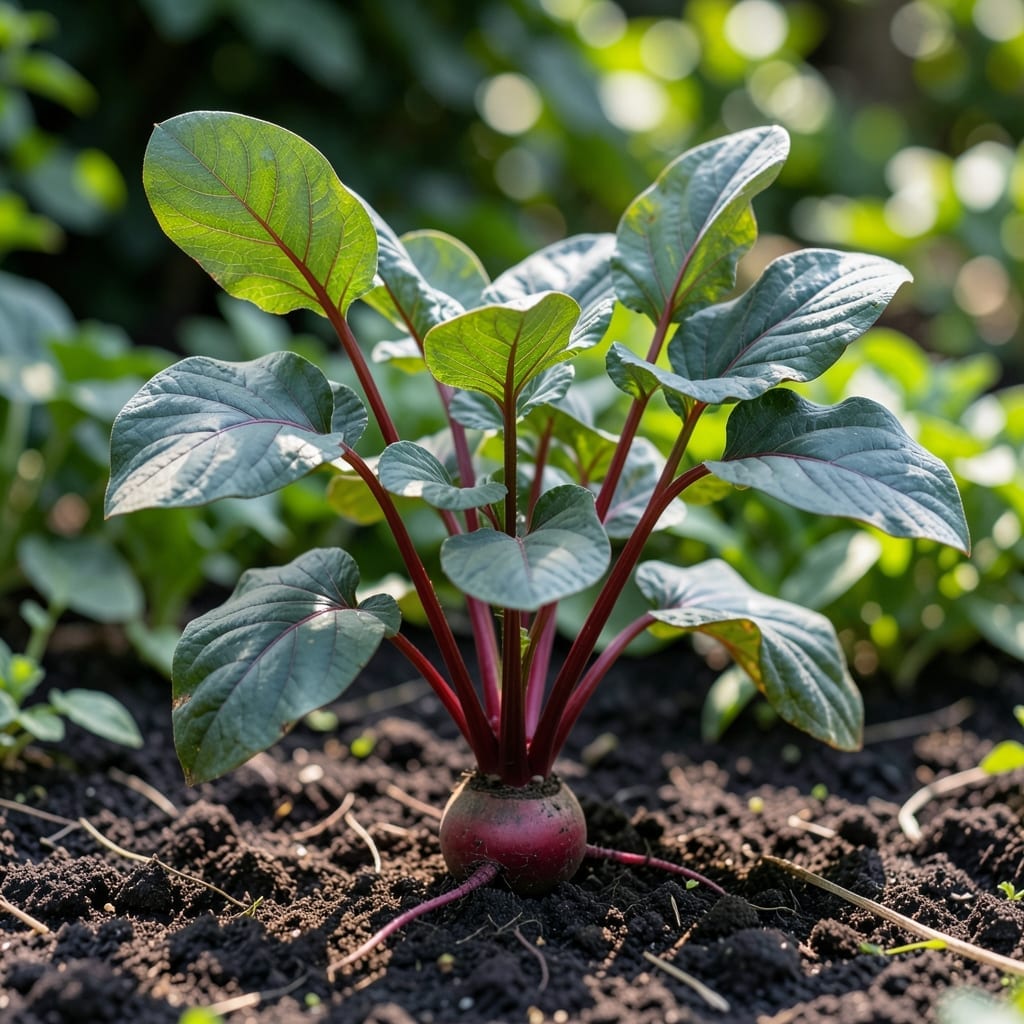
I started growing red beet leaves for the roots but stayed for the greens. The leaves are edible, nutritious, and grow back after cutting, giving you two harvests from one plant.
Organic methods keep them tender and flavorful. With loose soil, consistent watering, and full sun, you’ll have vibrant greens ready in 6-8 weeks and roots not far behind.
📚 In This Guide
This organic method delivers tender, flavorful greens in just weeks with minimal effort.
Choose a location with full sun to partial shade, as beet leaves thrive in 6-8 hours of sunlight daily. The soil should be loose, well-draining, and rich in organic matter. I always amend the bed with 2-3 inches of compost worked into the top 6 inches of soil to improve fertility and structure.
Test soil pH—beets prefer a slightly acidic to neutral range of 6.2-7.0. If your soil is too acidic, add a sprinkle of lime a few weeks before planting. Remove any rocks or debris that might obstruct root growth, as beets develop best in unobstructed soil.
Sow beet seeds directly into the prepared soil, planting them ½ inch deep and 3-4 inches apart in rows spaced 12-18 inches apart. Each beet “seed” is actually a cluster of 2-3 seeds, so thinning will be necessary later. I plant seeds in succession every 2-3 weeks for a continuous harvest of young, tender leaves.
Water the area gently but thoroughly after planting. The soil should stay evenly moist but not waterlogged—beet seeds can rot if they sit in standing water. You’ll see germination in 7-14 days when the soil temperature is between 50-85°F.
Once seedlings are 2-3 inches tall with 2-4 true leaves, thin them to 6-8 inches apart. Crowded beets produce smaller leaves, so don’t skip this step. I use small scissors to snip unwanted seedlings at soil level rather than pulling, which disturbs the roots of neighboring plants.
Keep the soil consistently moist, especially during dry spells. Beet leaves become tough and bitter if the soil dries out completely between waterings. A layer of mulch helps retain moisture and suppress weeds, which compete with your plants for nutrients.
Begin harvesting outer leaves when they reach 4-6 inches long, usually 30-40 days after sowing. Use clean, sharp scissors to cut leaves at the base, leaving the inner growth to continue producing. This method allows the plant to keep growing new leaves for multiple harvests.
Avoid removing more than one-third of the foliage at a time, as this can stress the plant. Regular harvesting actually encourages bushier growth and more tender leaves. If you notice the leaves becoming tough or developing strong, earthy flavors, it’s a sign the plant needs more consistent watering.
Beet leaves tolerate light frosts, so you can often extend the harvest into late fall. In hot climates, provide afternoon shade to prevent leaves from becoming bitter or bolt. I’ve found that a simple shade cloth can make a big difference in leaf quality during the peak of summer.
For a winter harvest in mild climates, sow seeds in late summer. The plants will grow slowly but can be harvested through early winter. If a hard frost is forecasted, cover the plants with a frost blanket to protect the foliage.
Small adjustments in your growing approach can dramatically improve leaf quality and yield.
Sunlight Optimization: The 6-8 hours of sunlight mentioned in Step 1 is non-negotiable for tender leaves. In hotter climates, aim for morning sun and afternoon shade to prevent bitterness. I’ve found that east-facing beds work beautifully for this balance.
Soil Preparation Secret: When amending with 2-3 inches of compost in Step 1, make sure it’s well-aged. Fresh compost can burn young seedlings. Work it into the top 6 inches of soil thoroughly—this depth allows roots to establish properly without obstruction.
Germination Conditions: The 50-85°F soil temperature range for germination in Step 2 means you should plant when daytime temps consistently stay above 50°F. Below this, seeds may rot. Above 85°F, they might germinate unevenly or not at all.
Thinning Technique: In Step 3, when seedlings reach 2-3 inches tall, use sharp scissors to thin rather than pulling. This prevents disturbing the remaining plants’ roots. The 6-8 inches apart spacing ensures each plant has enough room to develop those 4-6 inches long leaves you’ll harvest later.
Yes! Red beet leaves are edible raw and make a great addition to salads. They have a mild, earthy flavor similar to spinach. Just wash them thoroughly to remove dirt and pesticides before consuming.
Harvest leaves when they’re young and tender, typically 4-6 weeks after planting. Pick outer leaves first to encourage new growth. Avoid harvesting more than one-third of the plant at a time.
Common issues include leaf spot, powdery mildew, and downy mildew. Ensure good airflow, avoid overhead watering, and rotate crops to prevent these diseases.
Absolutely! Red beet leaves can replace spinach in most recipes. Cook them similarly—sauté, steam, or add to soups. They’re nutritious and packed with vitamins A and K.
Yellowing leaves may indicate nutrient deficiencies (like nitrogen), overwatering, or pests. Check soil conditions, adjust watering, and inspect for insects or disease signs.