
Beautiful Plants For Your Interior
Beautiful Plants For Your Interior
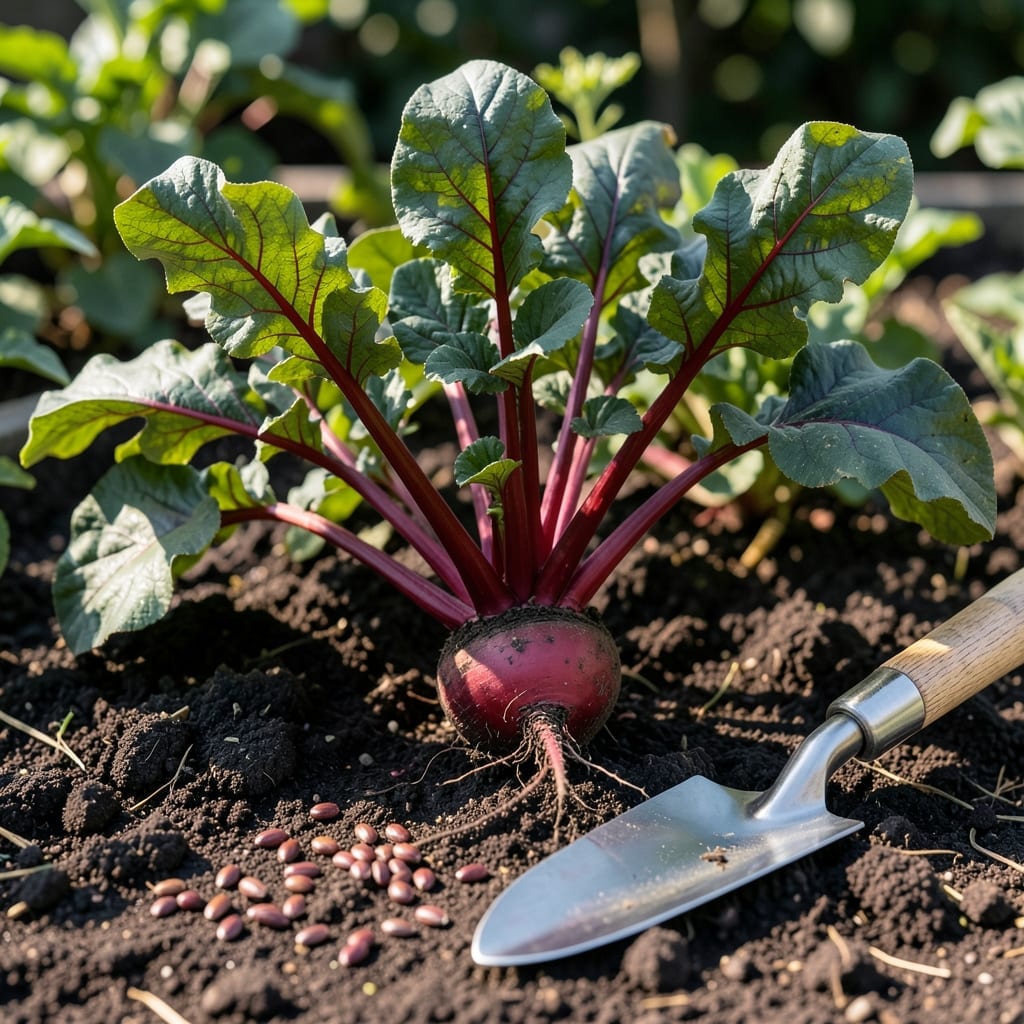
Timing is everything when planting 🥬 Beet seeds in Zone 6, where the growing season offers two distinct windows for success. Miss the mark, and you risk stunted growth or bolted beets.
I’ve learned the hard way that precision matters. Plant too early, and frost can ruin your crop. Wait too long, and summer heat may cause your beets to turn woody.
But here’s the good news: with the right timing, you can enjoy two harvests in a single season. Early spring and late summer both offer perfect conditions for thriving beets.
Let me walk you through the most important planting windows and what you need to know to get it right the first time.
In Zone 6, timing your beet seed planting is key to a successful harvest. I’ve found that early spring and late summer offer the best windows for sowing these cool-season crops. Beets thrive in cool temperatures and can tolerate light frosts, making them ideal for these periods.
The first planting window begins 4-6 weeks before the last frost date, typically around mid-March to early April. This gives the seeds enough time to germinate and establish before warmer weather sets in.
| Planting Window | Timing | Soil Temp | Notes |
|---|---|---|---|
| Early Spring | 4-6 weeks before last frost | 40-50°F | Ideal for early harvest |
| Late Summer | 6-8 weeks before first frost | 50-75°F | Avoids bolt risk |
For the early spring planting, I always check the soil temperature with a thermometer. Beet seeds need at least 40°F to germinate, but they sprout best between 50-85°F. If the soil is too cold, the seeds may rot or take too long to sprout.
The second window arrives in late summer, about 6-8 weeks before the first frost, usually in August. This allows the beets to mature before cold weather halts growth. Late plantings often produce sweeter beets due to cooler temperatures.
I’ve learned that soil preparation is just as important as timing. Beets prefer loose, well-draining soil with a pH of 6.0-7.0. Compacted soil can cause misshapen roots, so I always loosen the bed to a depth of 12-15 inches before planting.
When sowing, I plant seeds ½ inch deep and 1-2 inches apart in rows spaced 12-18 inches apart. This spacing ensures good air circulation and reduces disease risk. After planting, I keep the soil consistently moist but not waterlogged to encourage germination.
Beets are fast growers, often ready to harvest in 50-70 days. For a continuous supply, I stagger plantings every 2-3 weeks within the optimal windows. This way, I enjoy fresh beets throughout the growing season.
One thing I watch for is bolt resistance. If planted too late in spring or too early in summer, beets may bolt (flower prematurely) due to heat stress. That’s why sticking to the recommended windows is crucial for a successful crop. ☀️
Finally, I always mulch around my beet plants to retain moisture and suppress weeds. In Zone 6, weather can be unpredictable, so mulching helps maintain stable soil conditions. With the right timing and care, you’ll be rewarded with tender, flavorful beets. 🌱
Preparing your soil properly is the foundation for healthy beets in Zone 6. I always start by testing the pH level, aiming for a slightly acidic to neutral range of 6.0-7.0 for optimal growth.
Beets hate compacted soil, so I loosen the bed to a depth of 12-15 inches using a garden fork. This helps prevent misshapen roots and allows the taproot to develop straight and strong.
After loosening, I remove any rocks, sticks, or weeds that could interfere with growth. Then, I mix in a 2-3 inch layer of aged compost to boost fertility and improve drainage.
For planting, I create shallow furrows about ½ inch deep. Beet seeds are small, so they need to be planted shallowly. I space the seeds 1-2 inches apart in the row, with rows 12-18 inches apart.
Once planted, I gently firm the soil over the seeds to ensure good contact. Then, I water thoroughly but gently to avoid washing away the seeds. Keeping the soil consistently moist is crucial for germination, which typically takes 7-14 days.
I also add a light mulch of straw or shredded leaves to retain moisture and suppress weeds. In Zone 6, this helps protect the seeds from temperature fluctuations and keeps the soil evenly moist. With proper preparation, your beets will thrive. 🌱