
Beautiful Plants For Your Interior
Beautiful Plants For Your Interior
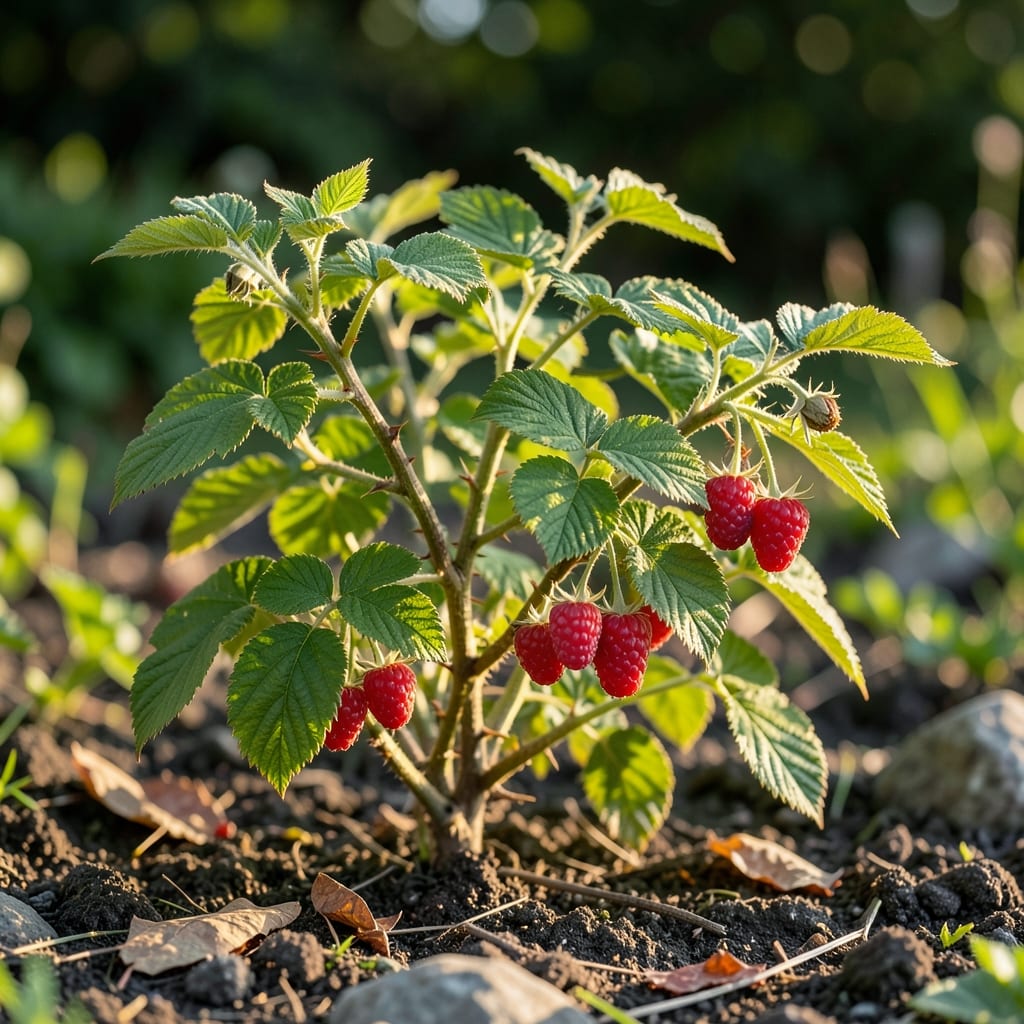
Healthy raspberry plants start with their leaves. I’ve learned that vibrant, disease-free foliage means better fruit production and a stronger plant overall.
Spot issues early by checking leaf color and texture weekly. A little attention now prevents big problems later, keeping your patch productive for years.
📚 In This Guide
These natural treatments work best when applied early and consistently across the growing season.
Examine leaves daily for the first signs of trouble. Yellowing between veins often signals nutrient deficiency or early fungal infection, while purple or black spots indicate anthracnose. Look for white powdery coating on undersides for powdery mildew, or orange pustules for rust.
I use a handheld magnifier to check leaf undersides where many pathogens first appear. Note that some discoloration is normal as leaves age—focus on patterns affecting new growth. Early detection means simpler remedies work better.
For powdery mildew, mix 1 tablespoon baking soda, 1 teaspoon dish soap, and 1 gallon water. This alters leaf surface pH to inhibit fungal spores. For anthracnose, a compost tea brewed for 24-48 hours provides beneficial microbes that outcompete pathogens.
I strain all solutions through cheesecloth to prevent clogging my sprayer. Test on a single leaf first—some raspberry varieties show sensitivity to even mild treatments. Always apply in early morning when leaves will dry quickly.
Use a fine-mist sprayer to coat both leaf surfaces until just dripping. Focus particularly on lower leaves where air circulation is poor. For systemic issues, I alternate between foliar sprays and soil drenches to address both existing infections and prevent future ones.
Reapply after rain or every 7-10 days during active growth periods. Mark your calendar—consistency beats intensity with natural remedies. Avoid treating during the heat of day when solutions may evaporate before absorption.
Space plants 3-4 feet apart to improve air circulation, and remove all fallen leaves weekly to eliminate pathogen reservoirs. I mulch with straw to prevent soil-borne spores from splashing onto leaves during watering.
Water at the base of plants using drip irrigation rather than overhead sprinklers. Morning watering allows foliage to dry completely before evening. This single practice reduces fungal pressure more than any treatment I’ve tried.
Keep a garden journal noting which remedies worked and which didn’t. I photograph problematic leaves weekly to track progress. If symptoms persist after 2-3 applications, switch to a different treatment method.
Remember that raspberry plants often show new growth within 2-3 weeks of effective treatment. The most stubborn cases may require removing heavily infected canes entirely to protect the rest of the plant.
These practical insights will help you maximize the effectiveness of your natural treatments.
Early Detection Strategy: In Step 1, focus on new growth rather than older leaves when looking for symptoms. I’ve found that yellowing between veins on fresh leaves often indicates the earliest stages of fungal infection, while older leaves may naturally discolor as they age. Use that magnifier to spot white powdery coating on leaf undersides before it becomes visible to the naked eye.
Solution Preparation Tip: For the baking soda solution in Step 2, dissolve the 1 tablespoon baking soda completely in a small amount of warm water before adding the 1 gallon of cool water. This prevents clumping and ensures even distribution. For compost tea, the 24-48 hour brewing window is critical—shorter than 24 hours won’t develop enough beneficial microbes, while longer than 48 may allow harmful bacteria to proliferate.
Application Technique: In Step 3, when coating leaves until just dripping, pay special attention to the undersides where many fungal spores first take hold. I alternate spray angles to ensure complete coverage. Also, apply in the early morning as directed—this gives leaves the entire day to dry completely before evening moisture could promote fungal growth.
Preventative Measure: The 3-4 feet spacing in Step 4 isn’t just about air circulation—it also reduces humidity between plants. Combine this with straw mulching to create a physical barrier against soil splashing. This single practice has reduced my fungal issues more than any treatment application.
Yes, but it’s best to remove leaves before eating. Raspberry leaves are edible and often used in teas, but they can be tough or bitter. Focus on the fruit for the best flavor and texture.
Yellow leaves often signal overwatering, nutrient deficiency, or disease. Check soil moisture and drainage, and test for pests like aphids. Adjust care or use organic fungicides if needed.
Remove infected leaves immediately and apply copper-based fungicides. Improve airflow by pruning and avoid overhead watering to prevent fungal spread.
Prune in late winter or early spring before new growth starts. Remove dead or diseased canes, and thin out crowded areas to improve air circulation and fruit production.
Neem oil, baking soda sprays, or compost tea can combat pests and diseases. Companion planting with garlic or marigolds also deters pests naturally.