
Beautiful Plants For Your Interior
Beautiful Plants For Your Interior
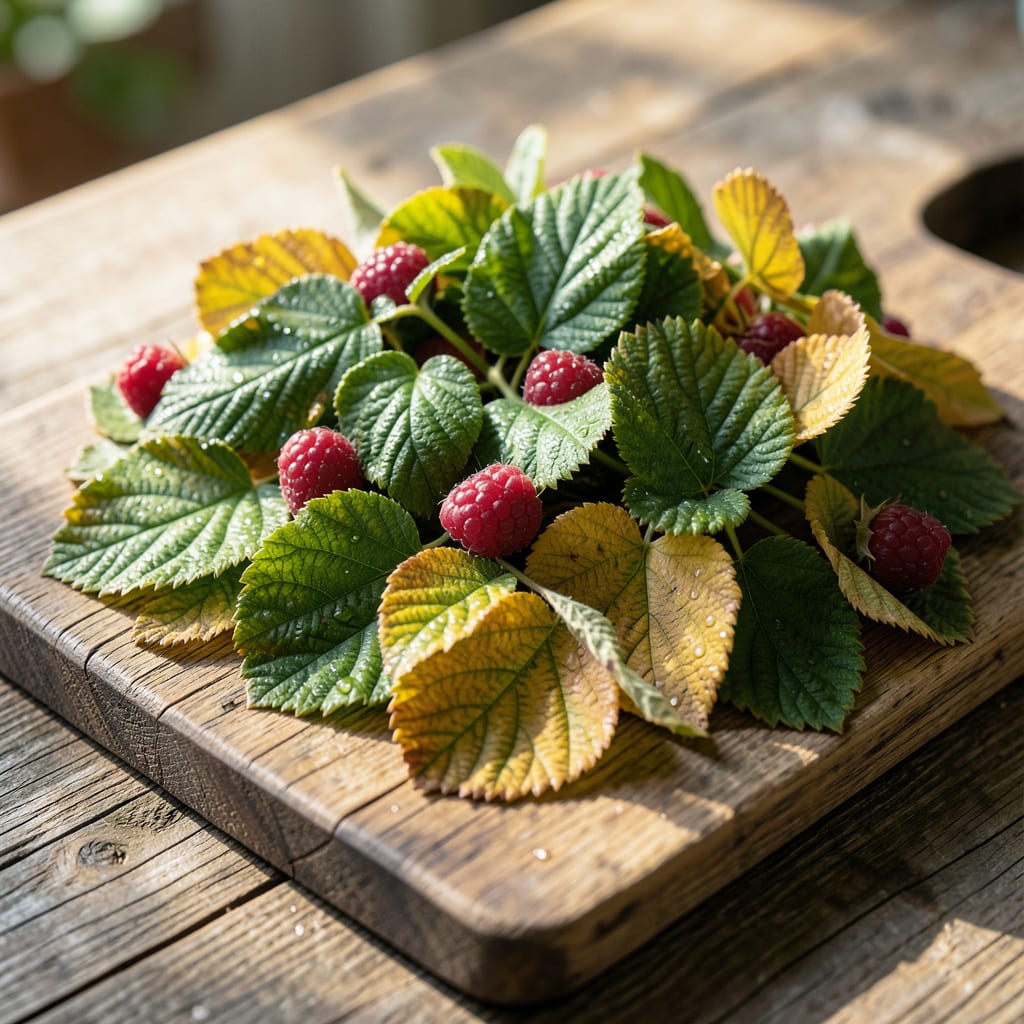
Yellow leaves on your raspberry plants aren’t just unsightly—they’re a cry for help. I’ve seen this issue derail entire harvests, but the fix is often simpler than you’d expect.
Most cases trace back to nitrogen or iron deficiency, though overwatering and pests can mimic the symptoms. The key is diagnosing correctly before treating—what works for one issue can worsen another.
With the right adjustments, you’ll see new growth return to that vibrant green within 2-3 weeks. Your plants will recover faster than you think, and next year’s crop will thank you.
This approach works for all raspberry varieties, whether you’re growing in containers or open ground. Here’s how to pinpoint the problem and fix it for good.
Yellowing leaves on raspberry plants, or chlorosis, often signal an underlying issue disrupting chlorophyll production. Below are the most frequent causes, each with a clear scientific basis and actionable insight.
Both overwatering and underwatering can lead to yellow leaves. Overwatering suffocates roots, reducing oxygen uptake and nutrient absorption, while drought stress limits the plant’s ability to transport essential minerals. Raspberry roots thrive in moist but well-drained soil—soggy or bone-dry conditions trigger stress responses, including chlorosis.
Yellowing often points to a lack of key nutrients. Nitrogen deficiency causes uniform yellowing (starting with older leaves), while iron deficiency leads to interveinal chlorosis (yellow leaves with green veins), common in alkaline soils. Magnesium or potassium shortages may also manifest as yellowing, often with leaf edge browning. A soil test pinpoints the exact deficiency for targeted fertilization.
Pathogens like Verticillium or Phytophthora disrupt nutrient flow, causing yellow, wilted leaves. Verticillium wilt often starts with lower leaves turning yellow and brown, while Phytophthora root rot thrives in waterlogged soil, leading to stunted growth and chlorosis. Fungal spores spread via soil or water, so improving drainage and removing infected plant debris are critical.
Sap-sucking pests like aphids, spider mites, or raspberry cane borers drain vital nutrients, weakening the plant. Their feeding damage often appears as yellow stippling or mottling on leaves. Check the undersides of leaves for tiny insects or webbing, and treat with insecticidal soap or neem oil for organic control.
Extreme temperatures, sudden frost, or excessive sun exposure can scorch leaves, turning them yellow or brown. Raspberry plants prefer cool to moderate climates (60–75°F) and partial shade in hot regions. Mulching helps regulate soil temperature, while shade cloth protects foliage from intense sunlight.
Here’s how to tackle yellowing raspberry leaves based on the most common causes, with simple fixes and prevention tips to keep your plants thriving.
If soil tests reveal low nitrogen, phosphorus, or iron, apply a balanced organic fertilizer (10-10-10) or a raspberry-specific blend. For iron deficiency, use chelated iron as a soil drench or foliar spray. Prevention tip: Test soil annually and amend with compost before planting. 💡
Let the top inch of soil dry out between waterings. If drainage is poor, mix in perlite or sand or plant raspberries in raised beds. Ensure pots have drainage holes. Prevention tip: Water deeply but less frequently to encourage strong roots. 🌧️
For aphids or spider mites, blast them off with a strong water spray or apply neem oil weekly until gone. Introduce beneficial insects like ladybugs. Prevention tip: Inspect leaves weekly and keep the garden free of debris where pests hide. 🐞
Fungal problems like anthracnose? Remove infected leaves and improve air circulation by thinning canes. Apply a copper fungicide if needed. Prevention tip: Space plants 3–4 feet apart and avoid overhead watering. 🌿
If leaves scorch in extreme heat, add shade cloth during peak sun. Mulch with straw to retain moisture and regulate soil temperature. Prevention tip: Plant in a spot with morning sun and afternoon shade in hot climates. 🌞
Water deeply 1-2 times per week, allowing the top inch of soil to dry between waterings. Overwatering can suffocate roots, while drought stress causes yellowing. Adjust based on rainfall and soil drainage.
A foliar spray of chelated iron or balanced liquid fertilizer can show improvement in 7-10 days. For long-term health, amend soil with compost and test annually.
Severely yellowed leaves won’t recover, but new growth will return to green once the underlying issue (nutrient, water, or pest) is resolved. Focus on correcting the problem to support healthy new leaves.
Inspect leaves weekly for pests like aphids or mites. Use neem oil or insecticidal soap as needed, and encourage beneficial insects like ladybugs. Keep the garden free of debris.
