
Beautiful Plants For Your Interior
Beautiful Plants For Your Interior
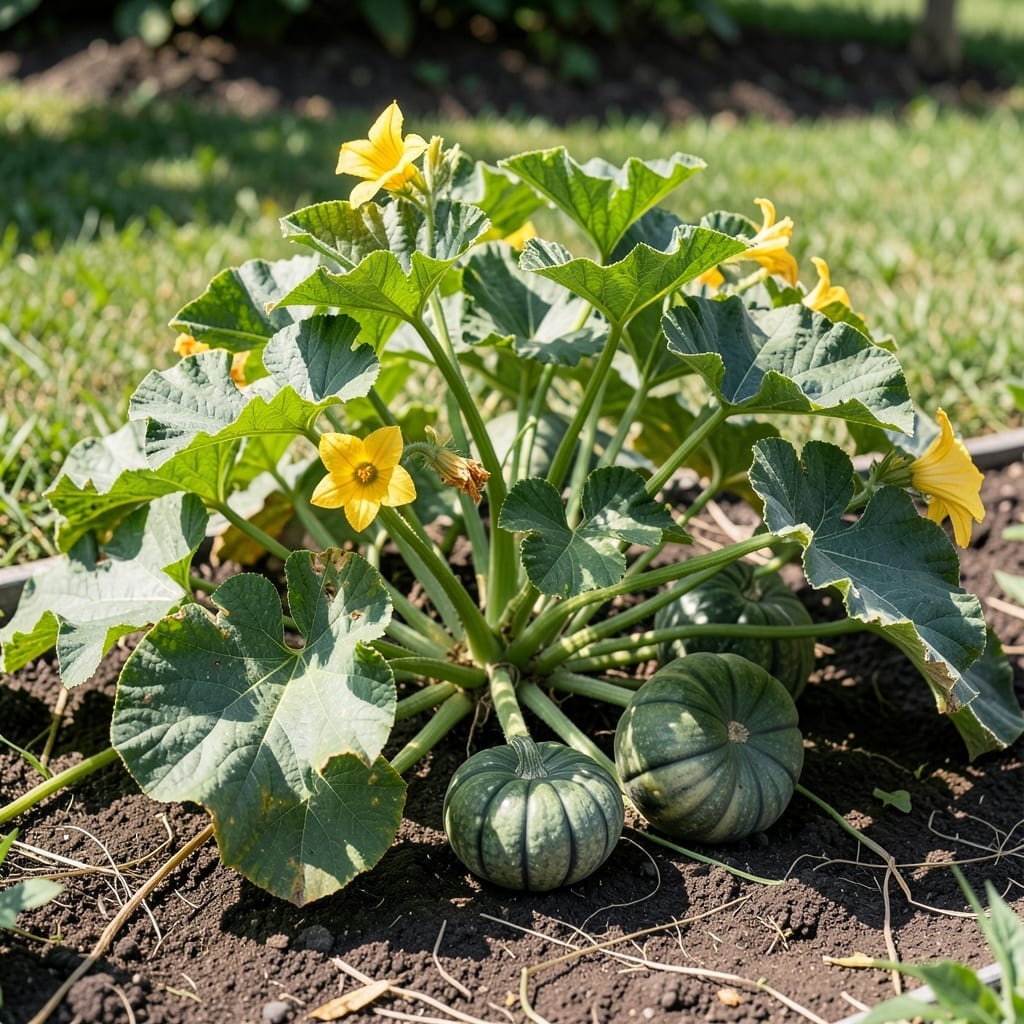
Nothing ruins a pumpkin patch faster than seeing those big, bold leaves suddenly droop. I’ve lost count of how many times I’ve spotted wilting and panicked—only to realize it’s often fixable.
The usual suspects are water stress, pests, or disease. Too much or too little water, squash bugs hiding under leaves, or powdery mildew creeping in can all cause the same sad sight.
With a quick inspection and the right action, you can turn things around in 24-48 hours. Healthy plants bounce back fast when you address the root issue.
Early intervention saves your harvest. Here’s how to diagnose and treat wilting before it spreads.
Pumpkin leaves droop for a few key reasons, and identifying the root cause is the first step to saving your plant. Here’s a breakdown of the most common triggers:
Both overwatering and underwatering can lead to wilting. Pumpkins need consistent moisture, but soggy soil suffocates roots, while drought stress disrupts water transport in the plant. Check soil moisture 1-2 inches deep—it should feel damp, not waterlogged or bone-dry.
Pathogens like Phytophthora or Fusarium attack roots and stems, blocking water uptake. Look for yellowing, blackened stems, or white fungal growth at the base. These thrive in wet, poorly drained conditions, so improve airflow and avoid overhead watering.
Sap-sucking pests like aphids, cucumber beetles, or spider mites weaken leaves by draining fluids. Check undersides for tiny bugs, sticky residue (honeydew), or stippled yellow spots. Neem oil or insecticidal soap can help if caught early.
Pumpkins wilt in extreme temperatures. Heat stress (above 90°F) causes rapid water loss, while cold snaps (below 50°F) slow nutrient uptake. Use shade cloth for heatwaves and row covers for chilly nights to stabilize conditions.
A lack of magnesium (interveinal chlorosis) or potassium (yellowing leaf edges) disrupts photosynthesis, leading to weak, wilted foliage. Test soil and amend with compost or a balanced fertilizer if deficiencies are suspected.
Don’t panic—your pumpkin plants can bounce back with the right fixes! Below are targeted solutions for common causes of wilting, plus prevention tips to keep leaves perky all season. 🌱✨
If the soil is bone-dry, give your pumpkins a slow, deep soak at the base (avoid wetting leaves). Water in the early morning to reduce evaporation. Prevention: Mulch with straw to retain moisture, and check soil daily in hot weather—stick your finger 1 inch deep; if dry, it’s time to water.
Stop watering immediately and improve drainage. If the soil is soggy, gently loosen it with a fork to aerate roots. Trim any black, mushy roots with clean shears. Prevention: Plant in raised beds or amend soil with compost for better drainage. Water only when the top 1–2 inches of soil are dry.
For aphids or squash bugs, blast them off with a strong water spray or wipe leaves with a cotton ball dipped in soapy water. Apply neem oil (mix 2 tbsp per gallon of water) at dusk for severe infestations. Prevention: Encourage ladybugs (natural predators) by planting marigolds nearby, and inspect leaves weekly.
If powdery mildew or downy mildew is the culprit, remove infected leaves and spray remaining foliage with a baking soda solution (1 tsp baking soda + 1 quart water + a drop of dish soap). For fungal wilt (e.g., Fusarium), pull and destroy the plant to prevent spread. Prevention: Space plants 3–4 feet apart for airflow, and avoid overhead watering.
During heatwaves, erect a shade cloth (30–50% opacity) over plants midday. Apply a layer of compost to insulate roots. Prevention: Harden off seedlings before transplanting, and plant in a spot with afternoon shade if you live in a scorching climate.
💡 Pro Tip: Always sterilize pruning tools with rubbing alcohol between cuts to avoid spreading disease!
Water deeply 2-3 times per week, providing 1-2 inches of water each time. Check soil 1-2 inches deep—it should stay damp but not soggy. Adjust based on rainfall and temperature.
Yes! If caused by heat stress or temporary water shortage, leaves often perk up by morning. Severe cases (disease/pests) may need 24-48 hours of treatment to show improvement.
Inspect leaf undersides weekly for tiny bugs or sticky residue. Look for yellow spots or holes. Use a magnifying glass for early detection of aphids or spider mites.