
Beautiful Plants For Your Interior
Beautiful Plants For Your Interior
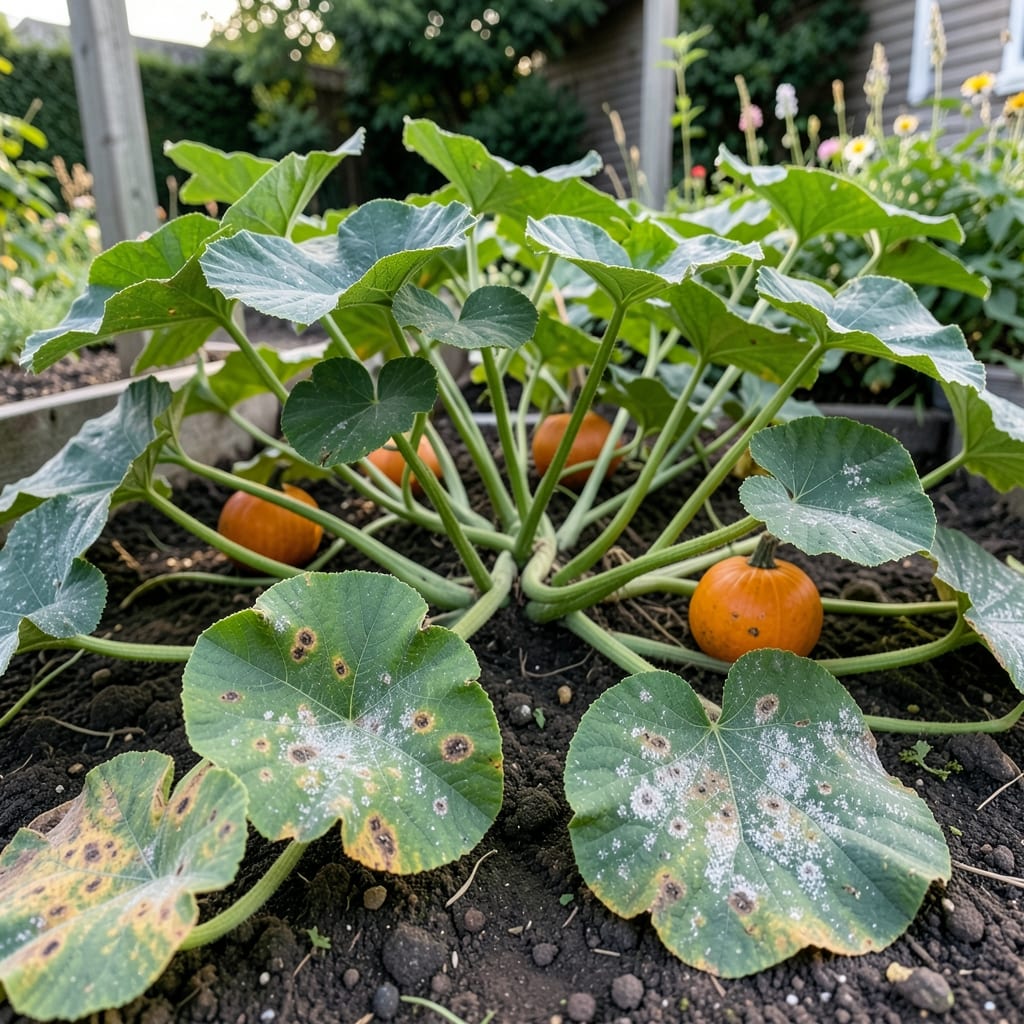
Yellow spots on your pumpkin leaves mean trouble is brewing. I’ve lost entire plants overnight to diseases that spread faster than you’d believe, but catching them early changes everything.
Most pumpkin problems show up as discolored patches, wilting vines, or white powdery coatings. The key is knowing which symptoms match which disease—mildew looks different from blight, and both need different fixes.
You’ll learn to spot the warning signs before they take over. Proper identification means the right treatment at the right time, saving your harvest from becoming a compost pile.
Works for backyard patches, field plantings, or even container pumpkins. Here’s how to keep your vines healthy and productive.
Understanding why pumpkin diseases occur is the first step in preventing and managing them. Below are the primary causes, broken down for clarity.
Many pumpkin diseases, such as powdery mildew and downy mildew, are caused by fungal pathogens. These thrive in warm, humid conditions, especially when plants lack proper air circulation. Fungal spores spread via wind, water, or infected tools, quickly infecting leaves, stems, and fruit.
Bacteria like Pseudomonas and Xanthomonas cause diseases such as bacterial leaf spot. These pathogens enter through wounds or natural openings in the plant, often spread by splashing water (e.g., rain or overhead irrigation). Wet foliage and poor sanitation accelerate their spread.
Insects like aphids, cucumber beetles, and squash bugs don’t just damage plants—they also transmit viral diseases (e.g., cucumber mosaic virus). Their feeding creates entry points for pathogens, while their movement spreads infections across the garden.
Pumpkins are vulnerable when stressed by drought, overwatering, or nutrient deficiencies. Weakened plants lack defenses, making them easier targets for diseases. For example, blossom end rot often results from calcium imbalance due to inconsistent watering or soil pH issues.
Crowded plantings, lack of crop rotation, and reused contaminated soil or tools can harbor and spread pathogens. Failing to remove infected plant debris also provides a breeding ground for next season’s outbreaks.
Tackling pumpkin diseases starts with quick action and smart habits. Below are targeted fixes for common issues, paired with prevention tips to keep your patch thriving. 🌱
Spotted white, powdery patches on leaves? Mix 1 tablespoon baking soda + 1 teaspoon dish soap + 1 gallon water and spray affected areas weekly. For prevention:
Yellow spots with fuzzy gray undersides? Remove infected leaves immediately and apply copper-based fungicide (follow label instructions). Prevent recurrence by:
Wilting vines or chewed leaves? Handpick squash bugs (check leaf undersides) and drop them in soapy water. For vine borers, slash open stems to remove larvae, then bury the vine to encourage rooting. Prevent infestations with:
Dark, sunken spots on fruit? This is a calcium deficiency often triggered by uneven watering. Fix it by:
Pro tip: Test soil pH—aim for 6.0–6.8 for optimal nutrient uptake. 🎯
White powdery spots often mean powdery mildew. This fungal disease thrives in dry foliage with high humidity. Treat with a baking soda spray and improve air circulation.
Sudden wilting may signal squash vine borers or bacterial wilt. Check stems for holes or sawdust-like frass. Remove pests manually or use insecticidal soap.
Yes, if caught early. Blossom end rot stems from calcium deficiency. Adjust watering to keep soil evenly moist and add crushed eggshells to the soil.
Space plants 3-4 feet apart for airflow, avoid overhead watering, and remove infected leaves immediately. Always clean tools between uses.