
Beautiful Plants For Your Interior
Beautiful Plants For Your Interior
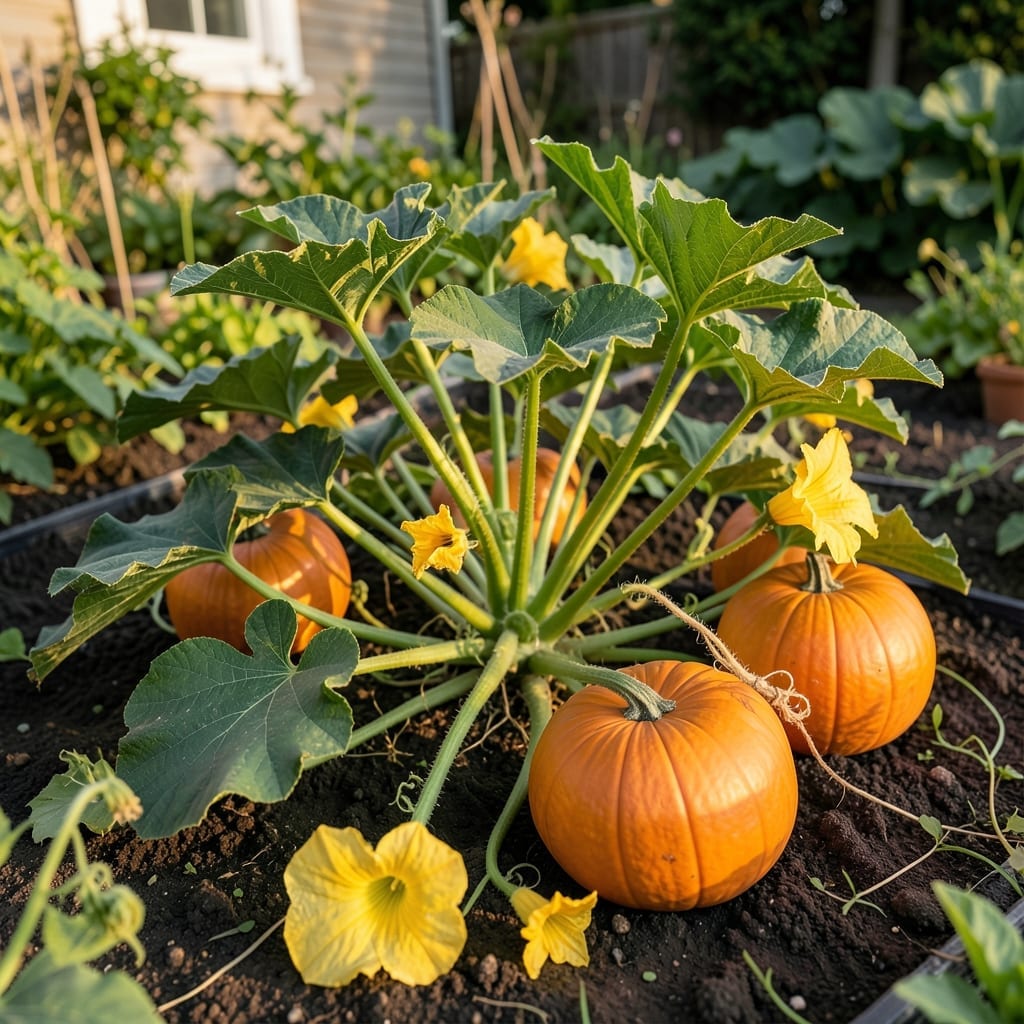
First time I saw my pumpkin vines curling like question marks, I panicked. Turns out, it’s usually a simple fix once you know what to look for.
Curly vines scream for attention—often from pests, diseases, or just too much enthusiasm with the watering can. Aphids love tender new growth, and powdery mildew thrives in damp, shaded spots.
Diagnosing the twist means checking leaves, stems, and soil. Most issues reveal themselves with a quick inspection and a little know-how.
The good news? With the right adjustments, those vines straighten out fast, and your pumpkins get back on track for a bountiful harvest.
Understanding why your pumpkin vines are curling is the first step to fixing the issue. Here are the most common causes, broken down with actionable insights:
Pumpkin vines often curl in response to heat stress or inconsistent watering. When temperatures soar above 90°F (32°C), the plant may curl its leaves and tendrils to reduce surface area and minimize water loss. Similarly, underwatering or overwatering can disrupt the plant’s ability to absorb nutrients, leading to stress-induced curling. Solution: Water deeply 1-2 inches per week (more in extreme heat) and use mulch to retain moisture.
Aphids, cucumber beetles, and spider mites are notorious for sucking sap from pumpkin vines, causing distorted, curly growth. These pests often target new shoots and undersides of leaves, weakening the plant. Check for sticky residue (honeydew) or visible insects on the foliage. Solution: Spray with neem oil or insecticidal soap, and introduce beneficial insects like ladybugs.
Diseases like powdery mildew or cucumber mosaic virus can cause leaves and vines to curl, yellow, or develop spots. Powdery mildew thrives in humid conditions, while viruses are often spread by pests. Solution: Improve air circulation, avoid overhead watering, and remove infected plants to prevent spread. For viruses, control pest vectors rigorously.
A lack of magnesium, calcium, or nitrogen can lead to curling vines. Magnesium deficiency, for example, causes interveinal chlorosis (yellowing between veins) and curling. Solution: Test your soil and amend with compost or a balanced fertilizer. Epsom salt (magnesium sulfate) can address magnesium shortages quickly.
If your pumpkin vines are curling, don’t panic—there are simple fixes for each common cause. Here’s how to diagnose and treat the issue, plus ways to keep it from happening again.
If the soil is bone-dry, give your plants a deep watering at the base (not the leaves) in the early morning. Aim for 1–2 inches of water per week, adjusting for heat. Prevention tip: 💡 Mulch around the base to retain moisture and keep roots cool.
Check the undersides of leaves for aphids, cucumber beetles, or spider mites. Blast them off with water or apply neem oil or insecticidal soap. For severe cases, use row covers to block pests. Prevention tip: 🎯 Rotate crops yearly and remove garden debris to discourage pests.
Wilting or curling in extreme heat? Provide temporary shade with a cloth or lattice during peak sun (11 AM–3 PM). Ensure plants get consistent water—drought-stressed vines curl to conserve moisture. Prevention tip: ✨ Plant in well-draining soil and use drip irrigation for steady hydration.
Powdery mildew or downy mildew can cause curling. Remove infected leaves and apply a baking soda spray (1 tbsp baking soda + 1 tsp dish soap + 1 gallon water). Improve airflow by spacing plants 3–4 feet apart. Prevention tip: 🌡️ Water at the soil level to avoid wetting foliage, and choose resistant pumpkin varieties.
Yellowing leaves with curled edges may signal a lack of magnesium or calcium. Amend soil with compost or a balanced fertilizer. For quick fixes, use a foliar spray of Epsom salt (1 tbsp per gallon) for magnesium. Prevention tip: 🔥 Test soil before planting and adjust amendments as needed.
Yes, if the cause is temporary like heat stress or inconsistent watering. Once conditions stabilize, new growth should appear normal within 1-2 weeks.
Check leaf undersides for tiny bugs or sticky residue. Aphids and spider mites are common culprits that cause distorted growth when feeding.
Too much nitrogen can lead to excessive leafy growth at the expense of fruit, while nutrient imbalances may cause further vine distortion.
Generally yes, unless the curling was caused by a viral disease. In that case, remove the entire plant to prevent spread.