
Beautiful Plants For Your Interior
Beautiful Plants For Your Interior
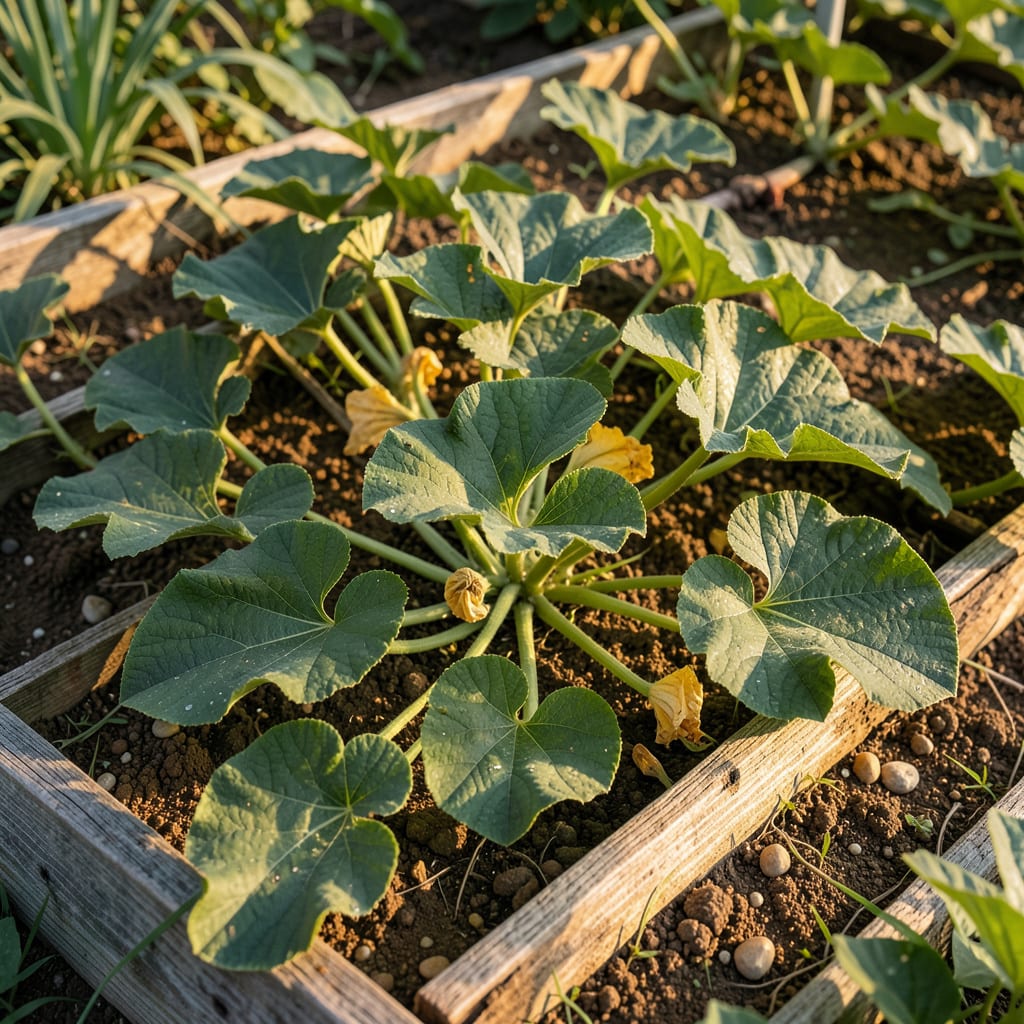
Pumpkin leaves curling up usually means your plants are trying to tell you something’s wrong. I’ve seen this happen overnight in my own patch, and the fix is often simpler than you’d think.
Most cases come down to 3 common issues: water stress, pests, or disease. Once you spot the signs, you can set things right in 24-48 hours and get your vines back on track.
📚 In This Guide
Here’s how I restore healthy growth when I notice this common issue in the garden.
First, I check the soil moisture by sticking my finger 1-2 inches deep. If it feels bone dry, the leaves curl upward to conserve water. I also look for wilting during the hottest part of the day, which signals heat stress. Pumpkins need consistent moisture, especially when vines are rapidly expanding.
If the soil is dry, I water deeply at the base, avoiding the leaves to prevent fungal issues. I aim for 1-2 inches of water per week, more during extreme heat. Early morning watering gives plants time to absorb moisture before the sun peaks. This usually resolves curling within 24-48 hours.
Curling can also indicate aphids or spider mites, which suck sap from leaves. I flip leaves over and look for tiny green or red insects, or fine webbing. Aphids often cluster on new growth, while mites create stippled yellow patterns. Both pests cause leaves to curl as they distort.
If I find pests, I spray them off with a strong stream of water from the hose. For severe infestations, I apply insecticidal soap, focusing on the undersides of leaves. I repeat every 4-5 days until the problem clears. This approach protects the plant without harsh chemicals.
A lack of potassium or magnesium can cause leaf edges to curl upward. I check older leaves first—yellowing between veins often points to magnesium deficiency. For potassium, the edges may look scorched. Both issues typically appear during fruiting when the plant’s demand spikes.
I address this by side-dressing with compost or applying a balanced fertilizer. For magnesium, I dissolve 1 tablespoon of Epsom salt in a gallon of water and spray it on the leaves. I see improvement in about 1 week with consistent applications. Avoid over-fertilizing, as this can burn roots and worsen stress.
Fungal diseases like powdery mildew can cause leaves to curl and develop a white, powdery coating. I inspect for circular spots or unusual patterns on both sides of the leaves. High humidity and poor air circulation create perfect conditions for these issues to thrive.
If I spot disease, I remove and destroy affected leaves immediately to prevent spread. I improve airflow by spacing plants properly and watering at the base. A baking soda spray (1 teaspoon baking soda, 1 quart water, and a drop of dish soap) applied weekly can help control mild cases. Always apply in the evening to avoid leaf burn.
Small adjustments make a big difference when nursing your pumpkin plants back to health.
Soil Check Tip: When testing moisture in Step 1, dig your finger the full 1-2 inches deep—surface dryness doesn’t tell the whole story. I’ve found that morning watering, as mentioned, gives roots time to absorb before the heat hits, and that 1-2 inches of water per week guideline really is the sweet spot for preventing stress-related curling.
Pest Inspection Hack: Don’t just glance at leaves—flip them over like I do in Step 2. Aphids and mites love hiding underneath, and catching them early means you might only need that strong water spray. For stubborn cases, sticking to the 4-5 day insecticidal soap schedule keeps the problem from rebounding.
Nutrient Timing: In Step 3, that 1 tablespoon of Epsom salt in a gallon of water mix works best when applied in the evening, just like the disease spray in Step 4. I see the first signs of improvement right around that 1 week mark, but consistency is key—skip applications and you’ll delay recovery.
Disease Prevention: The baking soda spray from Step 4 is simple but effective. I mix exactly 1 teaspoon baking soda, 1 quart water, and a drop of dish soap and apply it weekly at dusk. This timing avoids leaf burn while giving the solution time to work overnight.
Curling leaves often signal stress from underwatering, overwatering, or pests like aphids. Check soil moisture and inspect leaves for bugs or disease spots.
Yes! If caught early, address the cause (e.g., watering adjustments, pest control) and leaves may unfurl within days. Severe damage may require pruning affected foliage.
Water deeply 1–2 times weekly, ensuring soil stays moist but not soggy. Mulch helps retain moisture. Adjust based on heat and rainfall.
Aphids, spider mites, and whiteflies suck sap, causing curling. Use neem oil or insecticidal soap for control. Check leaf undersides for tiny pests.
Try a garlic or chili spray for pests, or a baking soda solution for fungal issues. Improve airflow and avoid overhead watering to prevent disease.
