
Beautiful Plants For Your Interior
Beautiful Plants For Your Interior
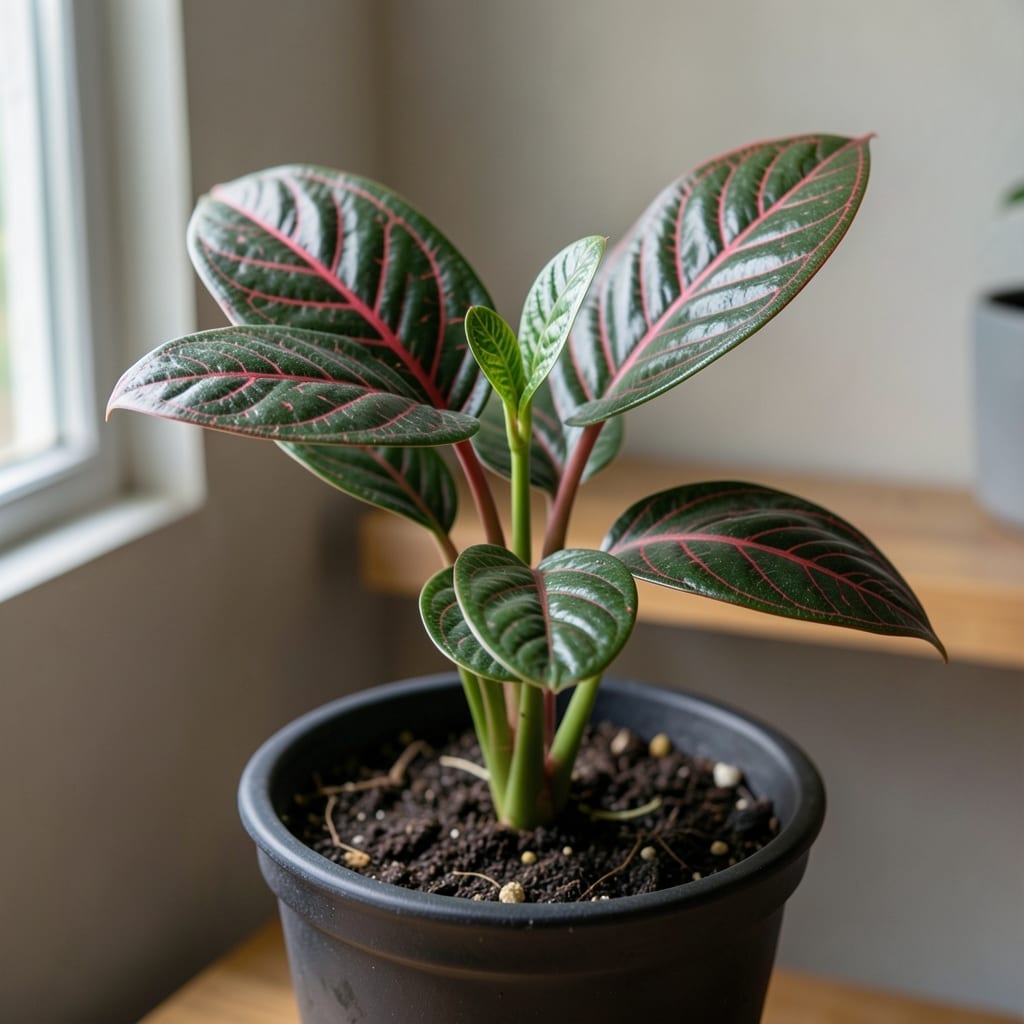
My prayer plant looked great for months—then the leaves turned yellow overnight. 🌿 I’ve been there, staring at wilting foliage wondering what went wrong, and the answer is usually simpler than you’d think.
Most often, it’s either too much water sitting in the roots or not enough light reaching the leaves. The plant tells you exactly what it needs if you know what to look for: yellow leaves mean overwatering, brown tips mean dry air, and drooping means thirst.
With a few adjustments to your watering routine and placement, you can nurse it back to health in 2-3 weeks. I’ve saved plants that looked beyond hope with just these tweaks.
The fix starts with checking the soil and roots, then giving it the right conditions to recover. It’s easier than you’d expect.
The decline of a prayer plant (Maranta leuconeura) is often tied to environmental stress or improper care. Below are the most common causes, explained with actionable insights to help you revive your plant. 🌱
Prayer plants are tropical but hate soggy roots. Overwatering suffocates the roots, preventing oxygen uptake and leading to root rot. This is often worsened by:
Fix: Water only when the top 1–2 inches of soil are dry, and ensure pots have drainage holes.
Too much or too little light disrupts photosynthesis. Prayer plants need bright, indirect light (1,000–2,000 foot-candles). Signs of imbalance:
Fix: Place near an east-facing window or use a sheer curtain to filter harsh rays.
Native to Brazilian rainforests, prayer plants require 65–80°F (18–27°C) and 50–60% humidity. Issues arise when:
Fix: Avoid AC vents or drafty windows. Use a humidifier or pebble tray to boost moisture.
Prayer plants are light feeders. Problems occur with:
Fix: Use a balanced, diluted liquid fertilizer (e.g., 10-10-10) every 4–6 weeks in spring/summer. Flush the soil with water monthly to remove salt buildup.
If your prayer plant is struggling, don’t lose hope! Here’s how to tackle the most common issues and nurse your plant back to health.
Fix: Stop watering immediately and let the soil dry out. If root rot is present, trim the affected roots with clean scissors and repot in fresh, well-draining soil. Use a pot with drainage holes to prevent waterlogging.
Prevention tip: 💡 Water only when the top inch of soil feels dry, and always empty the saucer after watering.
Fix: Move your plant to a spot with bright, indirect light. If leaves are scorched, keep it away from direct sunlight. For leggy growth, provide more light to encourage compact, healthy foliage.
Prevention tip: ✨ Rotate the plant occasionally for even light exposure.
Fix: Keep your prayer plant in a room with temperatures between 65–80°F (18–27°C). Increase humidity by misting the leaves, using a pebble tray, or placing a humidifier nearby.
Prevention tip: 🌡️ Avoid drafts from vents, doors, or windows, which can cause sudden temperature drops.
Fix: Feed your plant with a balanced, water-soluble houseplant fertilizer (diluted to half strength) every 4–6 weeks during the growing season. Yellow leaves may indicate a lack of nitrogen or magnesium.
Prevention tip: 🎯 Flush the soil with water every few months to remove excess salts from fertilizers.
Fix: Wipe leaves with a damp cloth to remove pests like spider mites or aphids. For severe cases, use insecticidal soap or neem oil, applying as directed.
Prevention tip: 🔍 Inspect new plants before bringing them home to avoid introducing pests.
Water when the top 1-2 inches of soil feel dry. This usually means watering every 7-10 days, but check soil moisture first. Overwatering is the most common cause of decline.
Yellow leaves typically signal overwatering or poor drainage. Check roots for rot and adjust your watering schedule. If soil is soggy, let it dry out completely before watering again.
Brown tips usually mean low humidity. Increase moisture with a pebble tray or humidifier. Trim damaged tips with clean scissors to encourage new growth.
They thrive in bright, indirect light. East-facing windows are ideal. Avoid direct sun which can scorch leaves, and supplement with grow lights if needed.