
Beautiful Plants For Your Interior
Beautiful Plants For Your Interior
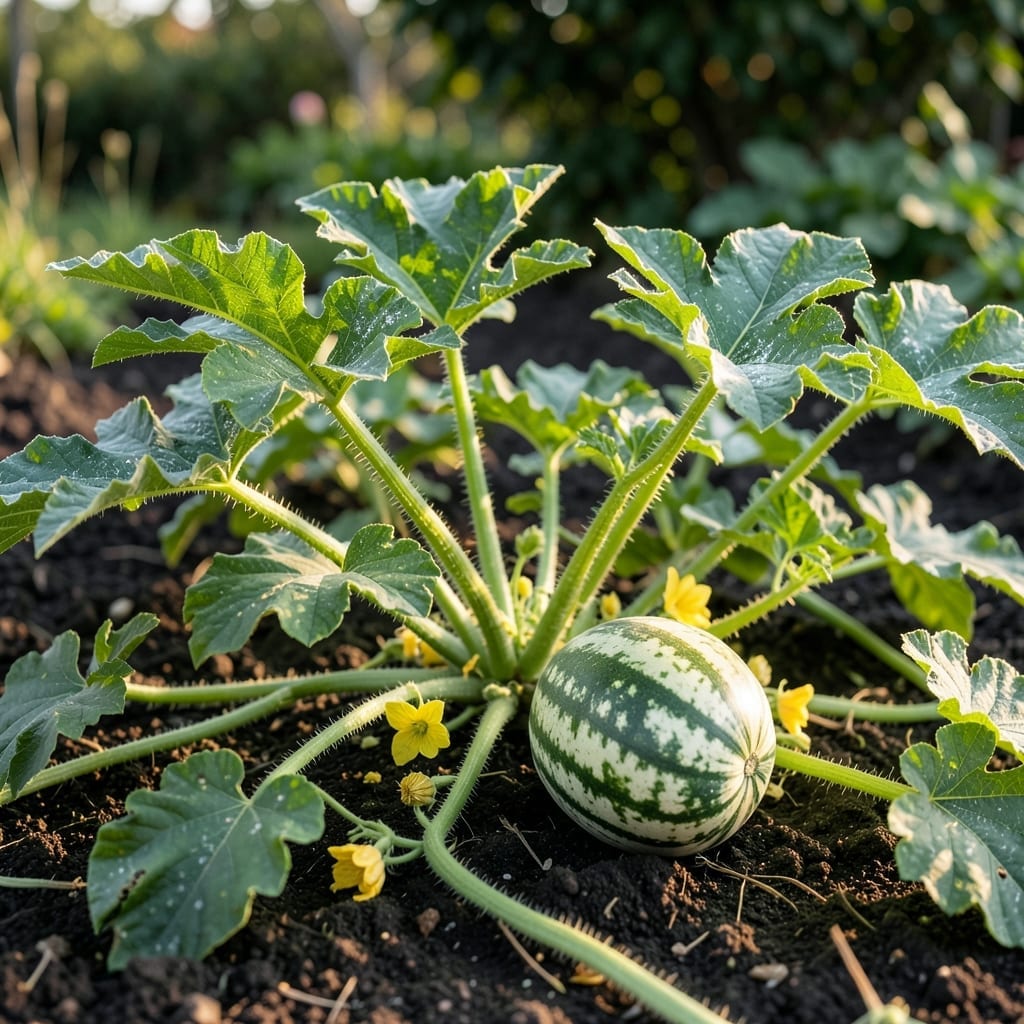
That white powder on your watermelon leaves isn’t dust—it’s trouble. 🌱 I’ve lost entire vines to powdery mildew before learning to spot it early, when it’s still just a few pale spots on upper leaves.
Left unchecked, it spreads fast, coating foliage and stealing sunlight. The good news? Organic treatments work if you act before it takes over. A simple spray of milk or baking soda can turn the tide.
You’ll notice leaves looking dusty first, then yellowing and dropping. Catching it at the first sign means saving your harvest. The key is consistent monitoring and quick response.
Works for all melon varieties, from backyard patches to container plants. Here’s exactly what to watch for and how to fight back.
Powdery mildew on watermelon plants doesn’t appear out of nowhere—it’s fueled by specific environmental and biological conditions. Understanding these triggers helps you intercept the disease before it spreads. Below are the primary causes, explained in clear, actionable terms.
The fungus Podosphaera xanthii, the main culprit behind powdery mildew in watermelons, thrives in high relative humidity (70–90%) combined with dry leaf surfaces. Unlike other fungal diseases, this pathogen doesn’t require free water to germinate. Instead, it spreads when moisture lingers in the air but leaves remain dry—common in crowded plantings or poor airflow scenarios.
Dense foliage or overcrowded plants trap humid air, creating a microclimate perfect for spore germination. Watermelon vines with limited spacing or those grown in tunnels/greenhouses without ventilation are especially vulnerable. Pruning excess leaves and spacing plants 3–5 feet apart can disrupt this cycle.
Powdery mildew flourishes in temperatures between 68–80°F (20–27°C), particularly when days are warm and nights cool. This temperature swing stresses plants, weakening their natural defenses. Shade cloth can moderate extremes, but avoiding overhead watering in the evening is critical to reduce overnight humidity.
Wetting foliage directly—especially late in the day—prolongs leaf dampness, inviting spores to settle. Drip irrigation at the soil level keeps leaves dry and minimizes infection risk. If overhead watering is unavoidable, do it early morning so leaves dry quickly in sunlight.
Powdery mildew doesn’t have to spell disaster for your watermelon crop. Here’s how to tackle it head-on, organized by cause and solution, with easy prevention tips to keep your plants thriving.
Dense foliage traps moisture and limits air circulation, creating a perfect breeding ground for mildew. Fix it: Thin out plants to ensure at least 2–3 feet of space between them. Prune excess leaves, especially in the center of the plant, to allow light and air to reach all parts. For existing mildew, remove heavily infected leaves and dispose of them in sealed bags—not the compost pile.
💡 Prevention tip: Space plants properly at planting time and use trellises for vertical growth to boost airflow.
Wet leaves are a powdery mildew magnet. Fix it: Water at the base of the plant using a soaker hose or drip irrigation to keep foliage dry. If you must use overhead watering, do it early in the day so leaves dry quickly in the sun. Reduce watering frequency if the soil feels soggy.
💡 Prevention tip: Mulch around plants with straw to retain soil moisture and prevent splashing water onto leaves.
When humidity climbs, mildew thrives. Fix it: Apply organic fungicides like neem oil, sulfur-based sprays, or potassium bicarbonate (baking soda) solutions. Mix 1 tablespoon of baking soda, 1 teaspoon of dish soap, and 1 gallon of water, then spray leaves thoroughly, focusing on undersides. Reapply every 7–10 days or after rain.
💡 Prevention tip: Plant watermelons in well-ventilated areas and avoid shading them with taller plants.
Weak plants are more susceptible to disease. Fix it: Strengthen your watermelons with a balanced organic fertilizer or compost tea to improve soil fertility. Avoid high-nitrogen fertilizers, which promote leafy growth (a mildew favorite) over fruit production.
💡 Prevention tip: Rotate crops annually to prevent soilborne diseases and maintain healthy soil structure.
Rub the white spots gently with your finger. If it’s dust, it’ll wipe away easily. Mildew will resist and often spreads to both sides of leaves.
Yes, the fruit remains safe to eat as the fungus only affects leaves and stems. However, severe infections can reduce fruit size and sweetness. Harvest early if possible.
Fungal spores overwinter in plant debris. Always remove and destroy infected plants at season’s end, and rotate crops yearly. This breaks the disease cycle.
Mix 1 tablespoon baking soda, 1 teaspoon dish soap, and 1 gallon water. Spray leaves thoroughly, especially undersides. Reapply after rain.