
Beautiful Plants For Your Interior
Beautiful Plants For Your Interior
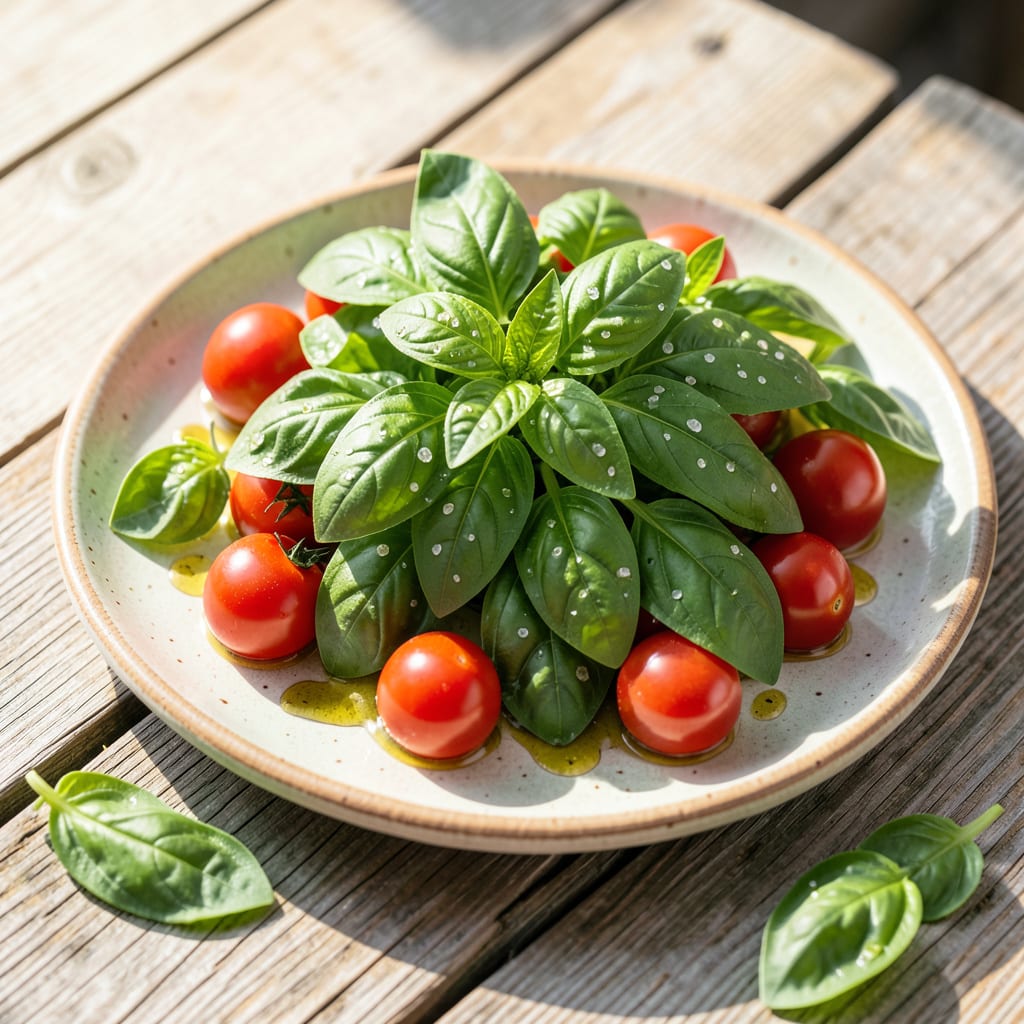
White spots on basil leaves don’t always mean toss the whole plant. 🌱 I’ve dealt with this more times than I’d like to admit, and most cases are harmless—just your plant’s way of saying it needs a little attention.
The usual suspects are powdery mildew, mealybugs, or even just water spots from overhead watering. The good news? Most are safe to eat if you wash the leaves well and address the root cause. A quick inspection tells you what you’re dealing with.
I’ve saved countless basil plants with simple fixes: better airflow, neem oil spray, or adjusting my watering routine. The leaves bounce back fast, and you’ll be back to harvesting fresh, spot-free basil in no time.
Prevention is easier than cure—once you know the signs, you’ll spot trouble before it spreads.
White spots on basil leaves often stem from environmental stress, pests, or fungal infections. Here’s a breakdown of the most common causes:
Powdery mildew (Podosphaera xanthii) is a fungal disease that thrives in humid conditions with poor airflow. It appears as white, powdery patches on the upper surfaces of leaves. The fungus spreads rapidly in crowded plantings or when foliage stays wet for extended periods. To confirm, check for a flour-like coating that wipes off easily with your finger.
Tiny insects like spider mites or whiteflies can cause stippling or white speckling on basil leaves. Spider mites pierce leaf cells to feed, leaving behind small, pale dots, while whiteflies excrete sticky honeydew that can attract mold. Inspect the undersides of leaves for webbing (mites) or tiny flying insects (whiteflies).
This physiological issue occurs when roots absorb water faster than the plant can transpire it, causing cells to burst. The result? Small, blister-like white or tan spots, often on the undersides of leaves. Edema is common in high-humidity environments with inconsistent watering. Unlike pests or fungi, these spots are raised and may turn corky over time.
If you’re watering basil with hard tap water, mineral buildup (like calcium or magnesium) can leave chalky white residues on leaves. These deposits are superficial and won’t harm the plant but can resemble disease symptoms. Wipe the leaves with a damp cloth to test—if the spots disappear, it’s likely mineral residue.
Identifying the cause is the first step toward safe handling. Always wash basil thoroughly before eating, especially if pests or fungi are suspected.
If you’ve spotted white marks on your basil, don’t toss the plant yet. Below are the most common causes and the quick, kitchen-ready fixes you can try right now.
Trim off the worst-affected leaves and space pots at least 6 inches apart so air can circulate. Water the soil, not the foliage, and do it in the morning so leaves dry fast. A weekly spray of 1 tsp baking soda + 1 quart water + a drop of dish soap can stop new spots from forming.
Dab visible pests off with a cotton swab dipped in rubbing alcohol. For a larger infestation, rinse the plant under a gentle stream of water, then isolate it from other herbs for a week. Repeat the alcohol swipe every 2–3 days until the cotton comes away clean.
Rinse the leaves with distilled or rainwater to wash off existing residue. Going forward, use filtered or bottled water for misting and watering. If your tap water is very hard, let it sit out overnight so some minerals settle before using.
Move potted basil to a spot with bright, indirect light—an east-facing windowsill is ideal. If it’s in the garden, provide afternoon shade with a sheer curtain or row cover. New leaves should emerge spot-free within a week.
Prevention tips: always use clean pots and fresh potting mix, avoid overhead watering, and inspect new plants before bringing them near your basil.
Check the undersides of leaves for tiny bugs or webbing. Pests often leave sticky residue or visible insects, while fungal issues like powdery mildew appear as a white, powdery coating.
Yes, trim heavily affected leaves to prevent spread. If the rest of the plant looks healthy, the remaining leaves are likely safe after washing.
Mineral spots from hard water are harmless. Simply rinse the leaves under running water to remove the residue before use.
Cooking at 160°F or higher destroys most common pathogens. Still, always wash basil thoroughly before cooking to remove surface contaminants.
