
Beautiful Plants For Your Interior
Beautiful Plants For Your Interior
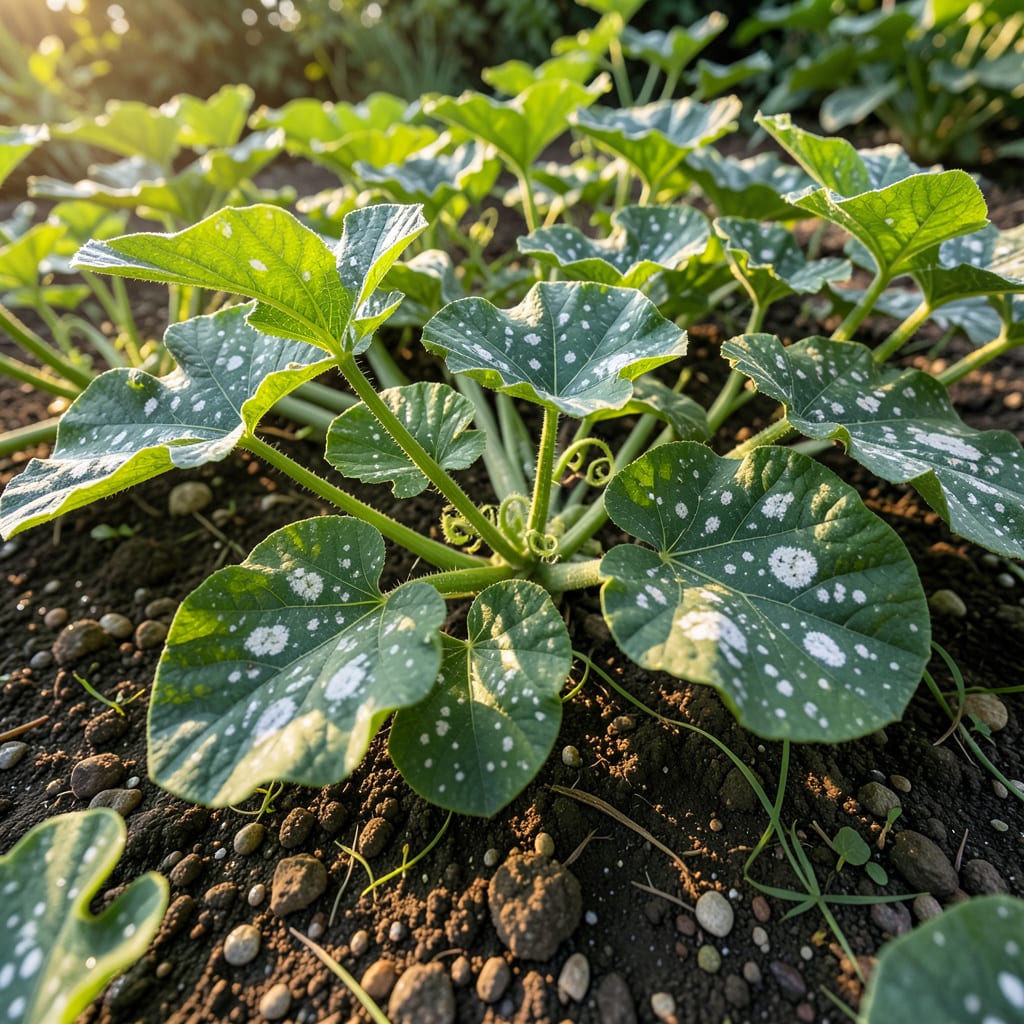
Spotted white patches on your watermelon leaves aren’t just unsightly—they’re a warning. I learned the hard way that ignoring these early signs can cost you your entire harvest.
These spots often start small but multiply fast, usually signaling fungal infections or pest activity. The good news? Most causes are treatable if you catch them early with the right organic approach.
Within 3-5 days of proper treatment, you’ll see the spread slow and leaves begin to recover. The key is identifying whether you’re dealing with powdery mildew, spider mites, or environmental stress.
Works for backyard gardens and container-grown melons alike. Here’s how to diagnose and fix it.
White spots on watermelon leaves can stem from several underlying issues, each with distinct triggers. Here’s a breakdown of the most common causes:
Fungi like Powdery Mildew (Podosphaera xanthii) thrive in humid, warm conditions. They form white, powdery patches on leaf surfaces by extracting nutrients, weakening the plant. Overhead watering and poor air circulation accelerate their spread.
Sap-sucking pests such as whiteflies and aphids leave behind sticky honeydew, which fosters sooty mold—a black or white fungal coating. Their feeding also causes stippling (tiny white dots) as leaf cells die.
Excessive sunlight or foliar contact with herbicides (e.g., glyphosate drift) can bleach leaf tissue, creating irregular white spots. This often appears suddenly after application or heatwaves.
A lack of magnesium or iron disrupts chlorophyll production, leading to interveinal chlorosis—white or yellow patches between leaf veins. Sandy or waterlogged soils often exacerbate these deficiencies.
Pseudomonas or Xanthomonas bacteria cause small, water-soaked lesions that dry into white-tan spots with dark halos. Splashing water and contaminated tools spread these pathogens rapidly.
Identifying the exact cause is key to targeted treatment—observe spot patterns, check for pests, and review recent environmental changes.
Addressing white spots on watermelon leaves starts with identifying the cause and applying the right fix. Here’s how to tackle the most common issues:
For powdery mildew or downy mildew, mix 1 tablespoon of baking soda + 1 teaspoon of dish soap + 1 gallon of water. Spray affected leaves weekly until spots fade. Prevention tip: 💡 Space plants for airflow and water at the base to keep leaves dry.
If aphids, whiteflies, or spider mites are the culprits, blast them off with water or apply neem oil spray (2 tablespoons neem oil + 1 gallon water + 1 teaspoon dish soap). Introduce ladybugs or lacewings as natural predators. Prevention tip: ✨ Inspect leaves weekly and remove weeds where pests hide.
Protect leaves from intense sun by using shade cloth during peak hours (10 AM–4 PM). Ensure consistent watering—1–2 inches per week—to prevent drought stress. Prevention tip: 🌡️ Mulch around plants to retain moisture and regulate soil temperature.
Yellowing with white spots? Test soil for magnesium or calcium deficiencies. Add Epsom salt (1 tablespoon/gallon of water) for magnesium or crushed eggshells for calcium. Prevention tip: 🎯 Rotate crops yearly and enrich soil with compost before planting.
If over-fertilization or herbicide drift is the issue, flush the soil with water to remove excess chemicals. Avoid synthetic sprays near watermelon plants. Prevention tip: 🔥 Stick to organic fertilizers and apply in the early morning to reduce evaporation.
Act quickly at the first sign of white spots to keep your watermelon plants healthy and productive!
No, they can also stem from pests, sunburn, or nutrient issues. Check for tiny bugs, recent heatwaves, or yellowing between leaf veins. Each cause requires a different solution.
With proper care, you’ll see improvement in 3-5 days. Fungal infections may take slightly longer to clear, while pest-related spots often fade faster once the infestation is gone.
Organic treatments like neem oil or baking soda sprays are safer and often just as effective. If using chemicals, follow label instructions and avoid application during peak sun hours.
