
Beautiful Plants For Your Interior
Beautiful Plants For Your Interior
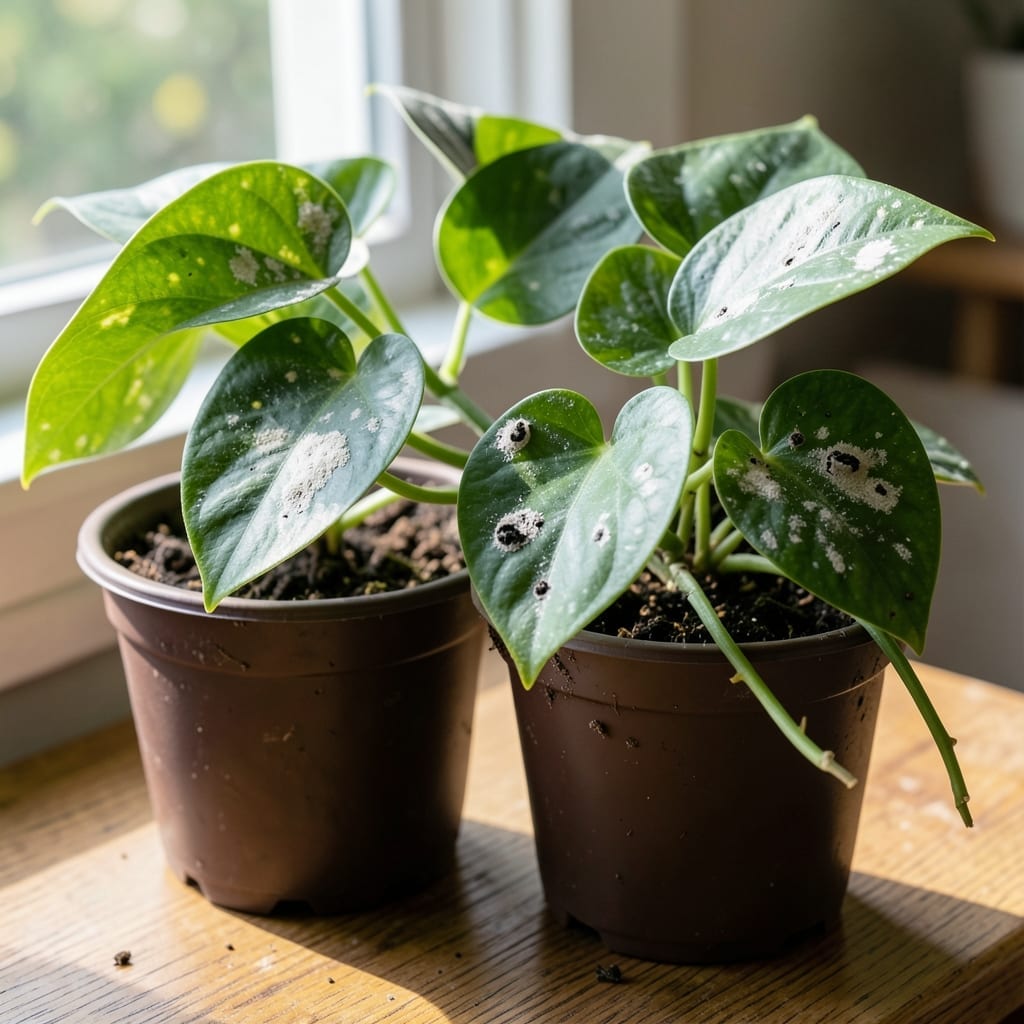
White spots on your potted plant’s leaves aren’t just unsightly—they’re a red flag. I’ve lost count of how many plants I’ve saved by catching fungus early, and the fix is simpler than you’d think.
Overwatering and poor airflow create the perfect breeding ground for these silent invaders. Once you know the signs—yellowing leaves, black spots, or a white powdery coating—you can act fast with natural remedies before it spreads.
Neem oil, baking soda sprays, and better drainage can turn the tide in a few days. The key is consistency: treat the plant, then adjust its environment to prevent a repeat.
No fancy tools required, just a sharp eye and a willingness to intervene. Your plants will thank you.
Fungal infections in potted plants often stem from environmental and care-related factors. Below are the most common causes, explained scientifically to help you address the root of the problem.
Excess moisture is the primary catalyst for fungal growth. When soil remains waterlogged, it creates an anaerobic environment that suffocates roots and encourages Phytophthora, Pythium, and other water-loving fungi. Potted plants in containers without drainage holes are especially vulnerable, as water pools at the bottom, fostering spore germination.
Fungi thrive in stagnant, humid air. Overcrowded plants, poor ventilation, or placing pots in damp areas (like bathrooms without fans) traps moisture around leaves and soil. This promotes Botrytis cinerea (gray mold) and powdery mildew, which spread rapidly in still, wet conditions.
Reusing unsterilized potting mix or tools can introduce fungal spores (Fusarium, Rhizoctonia) directly to your plant. Many commercial soils contain dormant pathogens that activate when conditions turn favorable (e.g., warmth + moisture). Always pasteurize soil or use trusted sterile mixes.
Over-fertilizing, particularly with nitrogen-heavy formulas, creates lush but weak growth that’s susceptible to fungi like Alternaria. Conversely, potassium-deficient plants lack cellular strength to resist infections. Balance nutrients to bolster natural defenses.
Fungus on your potted plants can be frustrating, but these targeted solutions will help you restore their health. Below are practical fixes for common fungal issues, along with prevention tips to keep your greens thriving.
If you spot white, powdery spots on leaves, increase air circulation immediately. Move your plant to a breezier spot or use a small fan on low. Trim affected leaves to stop the spread. Prevention tip: Space plants apart and avoid overcrowding.
Yellowing leaves and mushy roots signal overwatering. Stop watering, remove the plant from its pot, and trim black or slimy roots. Repot in fresh, well-draining soil. Prevention tip: Water only when the top inch of soil is dry and ensure pots have drainage holes.
Brown or black spots on leaves often mean fungal spores are present. Remove infected leaves and spray the plant with a mix of 1 teaspoon baking soda + 1 quart water + a drop of dish soap. Repeat weekly. Prevention tip: Avoid wetting leaves when watering.
For mild cases, use neem oil or a diluted hydrogen peroxide solution (1 part 3% peroxide to 10 parts water) as a foliar spray. Apply in the morning to let leaves dry quickly. Prevention tip: Keep humidity in check with a dehumidifier if needed.
💡 Pro tip: Always sterilize pruning tools with rubbing alcohol between cuts to avoid spreading spores!
Look for white powdery spots, yellowing leaves, or black/brown lesions. Some fungi also cause wilting despite wet soil. Early detection is key—inspect leaves and stems weekly for changes.
No, it’s risky. Fungal spores can survive in soil for months. Sterilize it first by baking at 200°F for 30 minutes or use fresh potting mix. Prevention saves future headaches.
Recurring fungus usually means the environment hasn’t changed. Check for poor airflow, overwatering, or high humidity. Adjust care routines and isolate infected plants to break the cycle.
For severe infections, chemicals work faster. But natural options like neem oil or baking soda sprays are safer for indoor use and prevent resistance buildup. Start mild, then escalate if needed.