
Beautiful Plants For Your Interior
Beautiful Plants For Your Interior
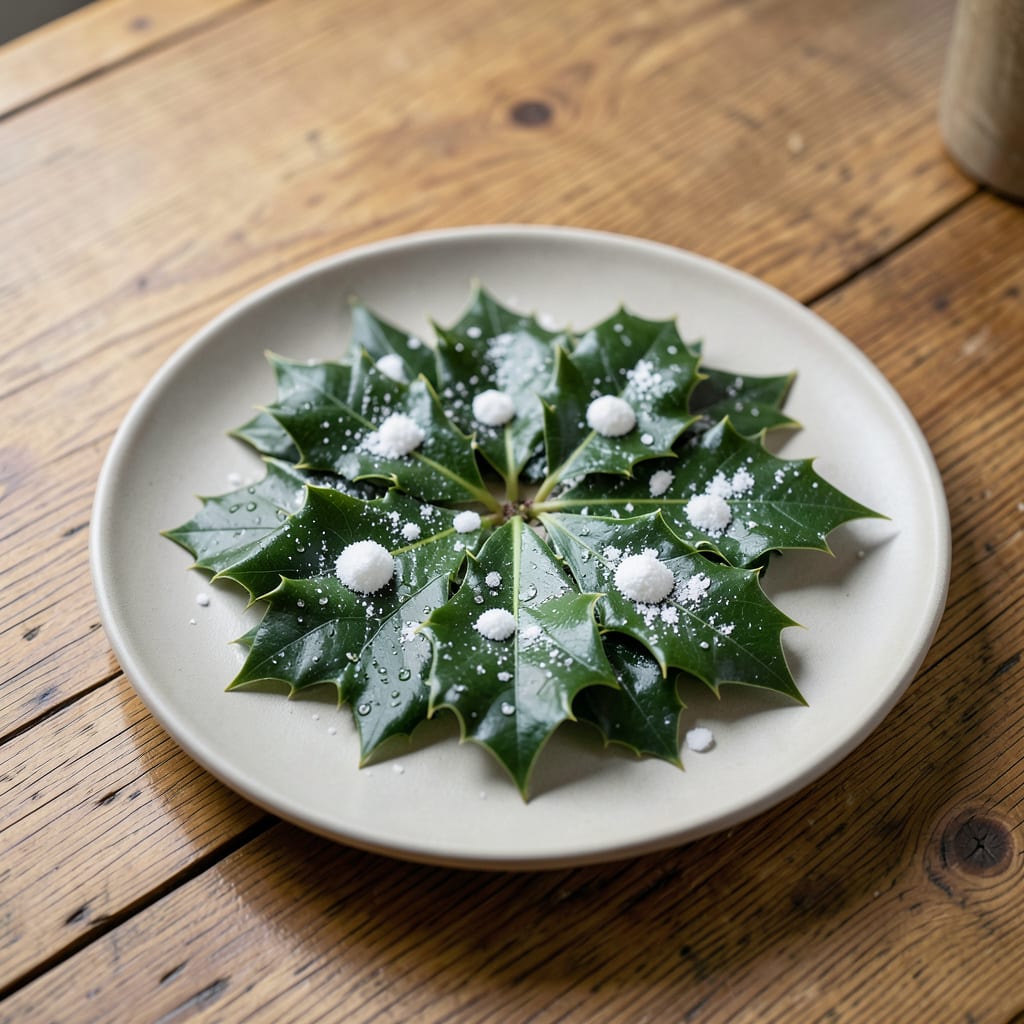
Those white spots on your holly leaves aren’t just unsightly—they’re a warning sign. I’ve seen this exact pattern in my garden, and ignoring it only makes things worse.
The culprits are usually fungal infections or sap-sucking pests like scale. Left unchecked, they’ll spread from a few spots to entire branches, weakening the plant over time.
Natural remedies work surprisingly well here. A simple mix of water and baking soda can stop fungal growth, while horticultural oil handles pests without harsh chemicals.
Within 2-3 weeks of treatment, you’ll see new growth emerging clean and healthy. The key is catching it early and staying consistent.
White spots on holly leaves are a common sign of underlying issues, often tied to environmental stress or pathogens. Below are the primary causes, explained with actionable insights.
Fungi like Powdery Mildew (Erysiphe spp.) or Leaf Spot (Phyllosticta spp.) thrive in humid, poorly ventilated conditions. These pathogens form white, powdery, or circular spots on leaves by colonizing the surface or penetrating plant tissues. Overhead watering and dense foliage exacerbate the problem.
Excessive sunlight, especially in drought conditions, can cause chlorosis—a loss of chlorophyll that appears as white or bleached patches. Holly leaves, particularly young or tender ones, are susceptible to UV damage when exposed to intense afternoon sun without adequate moisture.
A lack of essential nutrients like zinc or iron disrupts chlorophyll production, leading to interveinal white spots. This often occurs in alkaline soils where these micronutrients become unavailable to the plant. A soil test can confirm deficiencies.
Sap-sucking insects such as spider mites or scale leave behind stippling or white residue. Their feeding damage weakens the leaf tissue, and their secretions (honeydew) can promote sooty mold, which appears as white or blackish spots.
Tackling white spots on holly leaves starts with identifying the cause and applying the right fix. Here’s how to address common issues:
If the spots are due to powdery mildew or leaf spot fungi, act fast:
💡 Prevention tip: Water at the base of the plant to keep leaves dry, and avoid overhead watering.
For spots caused by scale insects or spider mites:
💡 Prevention tip: Inspect leaves regularly, especially the undersides, for early signs of pests.
If the spots stem from sunburn or nutrient deficiencies:
💡 Prevention tip: Mulch around the base to retain moisture and regulate soil temperature.
Combine these fixes with consistent care, and your holly should bounce back with vibrant, spot-free leaves! 🌿
Yes, if left untreated they can weaken the plant. Fungal spots spread quickly, while pest damage reduces the holly’s ability to photosynthesize effectively. Early action prevents long-term harm.
Fungal spots often have fuzzy edges or powdery textures. Pest damage appears as stippling or sticky residue. Use a magnifying glass to check for tiny insects or webbing.
Remove and destroy spotted leaves to prevent spread. Always sterilize pruners with rubbing alcohol between cuts to avoid contaminating healthy growth.
