
Beautiful Plants For Your Interior
Beautiful Plants For Your Interior
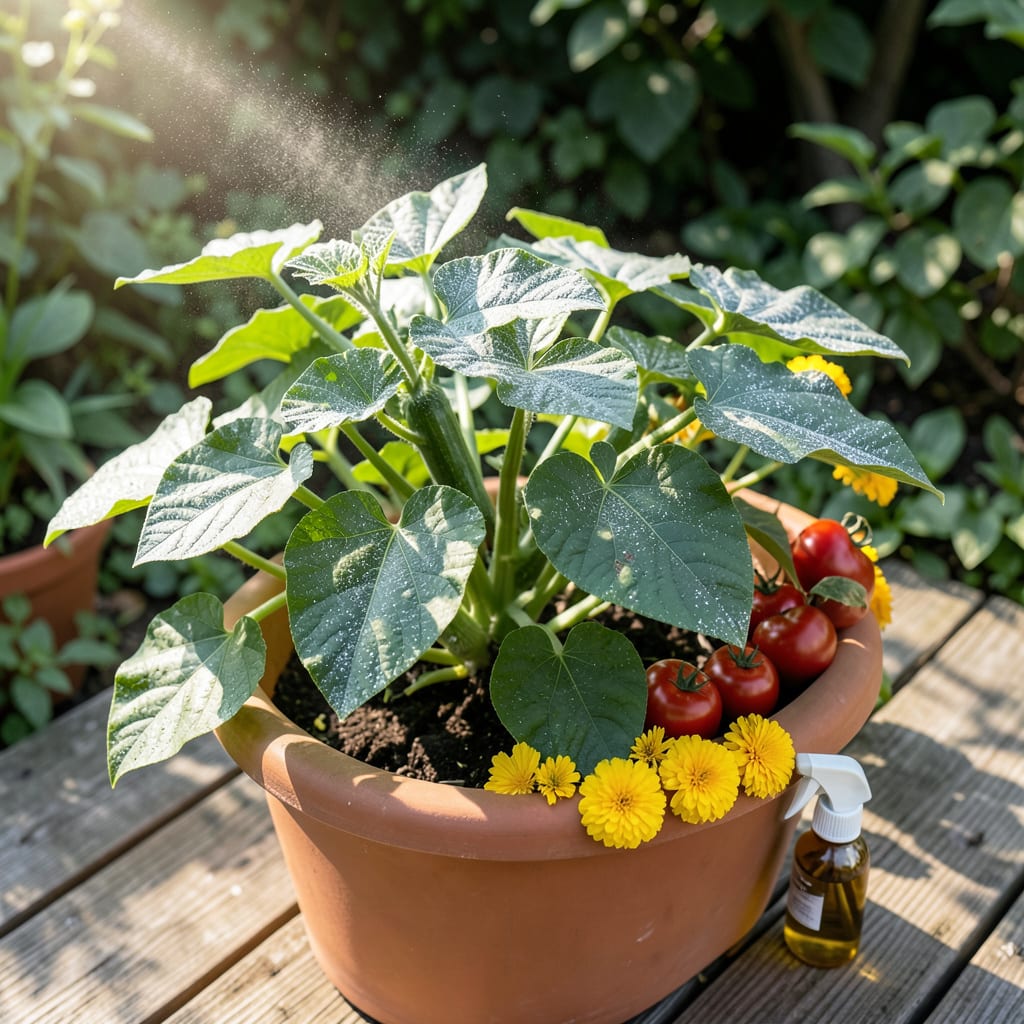
That white dust on your leaves isn’t flour—it’s a fungal party crashing your garden. I’ve battled powdery mildew on everything from zucchini to roses, and the good news is it’s easily treatable without harsh chemicals.
Here’s the thing—this fungus thrives in humid conditions with poor air circulation. My first outbreak wiped out half my squash plants before I realized simple fixes like better spacing and morning watering could stop it cold.
You’ll see results within 48 hours of treatment. The leaves clear up, new growth stays healthy, and your plants get back to doing what they do best—growing strong and productive.
Works on vegetables, flowers, and houseplants alike. Let’s send that mildew packing.
White powdery mildew is a common fungal disease that thrives under specific environmental conditions. Understanding its root causes helps you prevent and manage outbreaks effectively.
This fungus Oidium spp. and Podosphaera spp. spores germinate in humid environments (60-80%) with stagnant air. Crowded plants, dense foliage, or indoor setups without ventilation trap moisture, creating ideal breeding grounds.
Wet leaves—especially when watered late in the day—provide the moisture mildew spores need to infect plant tissues. Unlike root-absorbed water, foliar moisture doesn’t dry quickly, prolonging susceptibility.
Cool nights (50–60°F) followed by warm days (70–80°F) stress plants and slow their defense responses. These swings also increase surface moisture, accelerating spore production.
Some plants, like roses, cucumbers, and zucchini, lack natural resistance. Their soft tissues and high sap content make them prime targets, especially when grown in shaded or poorly spaced areas.
Excess nitrogen promotes lush, tender growth that’s more vulnerable to infection. Conversely, potassium or silicon deficiencies weaken cell walls, reducing a plant’s ability to fend off fungal attacks.
Actionable tip: Space plants properly, water at the base, and monitor humidity to disrupt mildew’s lifecycle.
White powdery mildew can be stubborn, but these targeted solutions will help you treat and prevent it effectively. Address the root cause first, then apply the fix for best results.
Crowded plants or stagnant air create the perfect breeding ground for mildew. Space out your plants to allow airflow, and use a small fan on low to keep air moving. For indoor plants, open windows periodically. Prevention tip: 💡 Avoid overcrowding pots or garden beds—give each plant room to breathe.
Mildew thrives in damp conditions. Water plants at the base (not the leaves) and do so in the morning so excess moisture evaporates during the day. Use a moisture meter to avoid overwatering. Prevention tip: 🌡️ Keep humidity below 40% indoors with a dehumidifier if needed.
For mild cases, wipe leaves with a mix of 1 part milk to 9 parts water (the lactic acid disrupts mildew). For severe infections, prune affected leaves and discard them in a sealed bag. Prevention tip: ✨ Sterilize pruning tools with rubbing alcohol between cuts to avoid spreading spores.
Mildew loves shade. Move potted plants to sunnier spots or trim nearby foliage to let light in. For garden plants, thin out dense growth. Prevention tip: 🎯 Rotate indoor plants weekly so all sides get sunlight.
Spray a baking soda solution (1 tsp baking soda + 1 quart water + a few drops of dish soap) or neem oil (mix with water per label instructions) on leaves. Reapply every 7–10 days until mildew clears. Prevention tip: 🔥 Test sprays on a small area first to avoid leaf burn.
Yes, a 1 tablespoon vinegar to 1 gallon water solution can help. Spray lightly on affected leaves weekly, but avoid overuse as vinegar can lower soil pH. Always test on a small area first.
Recurring mildew usually means humidity or airflow issues persist. Check for crowded plants, poor ventilation, or evening watering. Adjust these conditions to break the cycle.
Wash produce thoroughly with water and vinegar. While not toxic, heavy infestations can affect flavor. Remove severely infected leaves before harvest.
Apply neem oil every 7-10 days as a preventative, or every 5 days for active outbreaks. Use in the evening to avoid leaf burn from sun exposure.
