
Beautiful Plants For Your Interior
Beautiful Plants For Your Interior
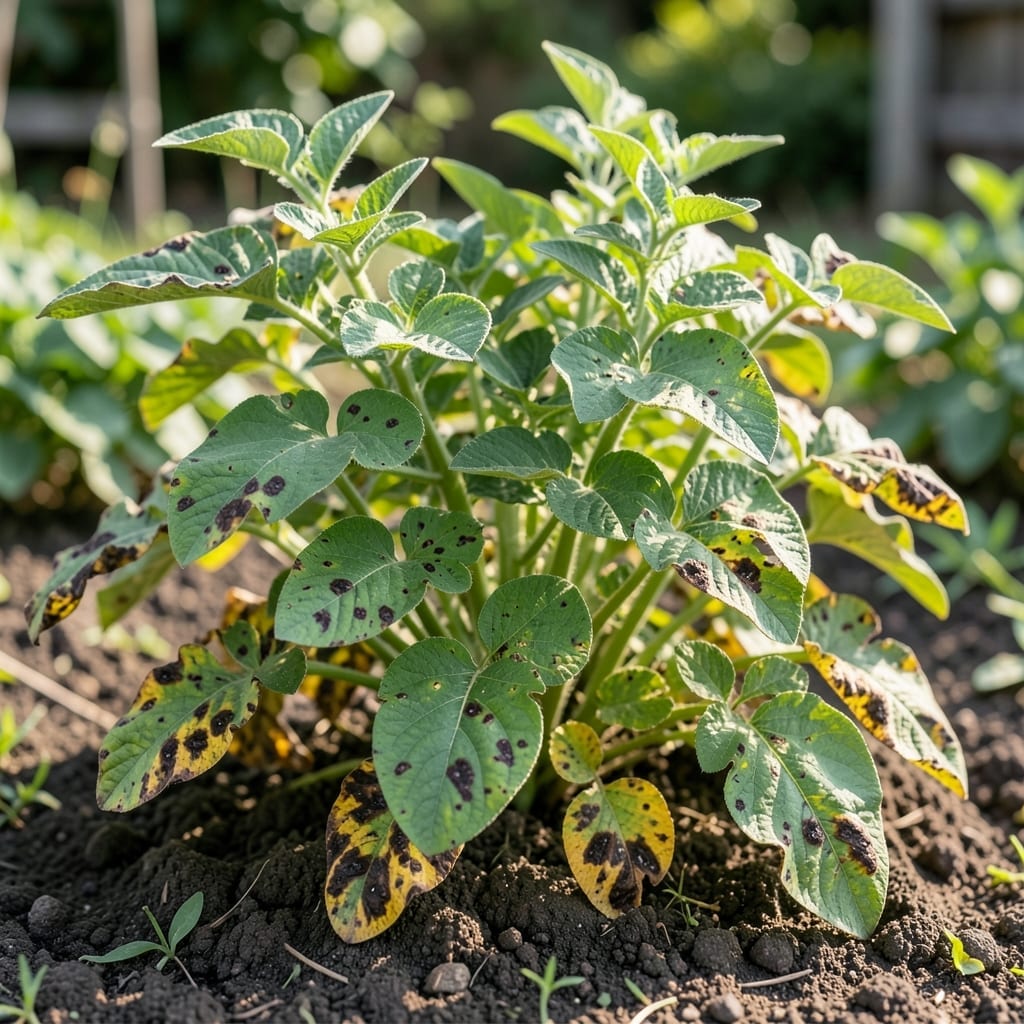
Spotted brown leaves on your potatoes this morning? I’ve been there—watching healthy plants turn crisp overnight. Potato blight moves fast, but catching it early makes all the difference.
The first sign is usually dark spots on lower leaves, often with a white fungal ring. Left unchecked, it spreads upward and can rot tubers underground. I learned the hard way that wet, cool weather is blight’s best friend.
Natural remedies work surprisingly well when applied at the first sign. Copper sprays and baking soda solutions create a protective barrier without harsh chemicals. The key is consistency—every 5-7 days until the threat passes.
Prevention starts next season with crop rotation and resistant varieties. Blight overwinters in soil, so moving your potato patch 100 feet away helps break the cycle. Here’s how to save this year’s crop.
Understanding why potato plant blight occurs is key to preventing its spread. This devastating disease is primarily driven by environmental conditions, pathogen behavior, and poor farming practices. Below are the most common causes, broken down for clarity.
The most frequent culprit is Phytophthora infestans, the fungal-like oomycete responsible for late blight. This pathogen thrives in wet, humid conditions, especially when temperatures hover between 60–75°F (15–24°C). Prolonged leaf wetness (from rain, dew, or overhead irrigation) allows spores to germinate and infect plant tissues within hours. Poor drainage or crowded plantings exacerbate the problem by trapping moisture.
Blight can overwinter in infected tubers or soil, lying dormant until conditions are right. Planting contaminated seed potatoes introduces the pathogen directly into your crop. Similarly, Streptomyces scabiei (causing common scab) or Alternaria solani (early blight) may persist in soil, especially in fields with a history of blight. Crop rotation and certified disease-free seeds are critical to breaking this cycle.
Dense plantings or lack of pruning restrict airflow, creating a microclimate ideal for fungal growth. Stagnant air prevents leaves from drying quickly, giving spores more time to infect. Proper spacing (12–15 inches between plants) and staking or hilling potatoes improves ventilation and reduces humidity around foliage.
Plants weakened by nitrogen excess or potassium/calcium deficiencies are more susceptible to blight. Over-fertilizing with nitrogen promotes lush, soft growth that’s easily penetrated by pathogens. Conversely, potassium strengthens cell walls, while calcium helps plants resist infections. A balanced soil test can reveal deficiencies before planting.
Blight spreads rapidly via infected pruners, harvesters, or even workers’ boots. Sanitizing tools with a 10% bleach solution or rubbing alcohol between uses prevents cross-contamination. Avoid working in wet fields, as this increases the risk of transferring spores.
Tackling potato plant blight starts with quick action and the right approach. Below are targeted solutions for the most common causes, along with prevention tips to keep your crop healthy.
If you spot brown spots or white mold on leaves, it’s likely a fungal issue. Remove infected plants immediately to prevent spread. Treat the remaining plants with a copper-based fungicide or a natural alternative like neem oil. Spray in the early morning for best absorption.
Too much moisture fuels blight. Reduce watering and ensure your soil has good drainage. Water at the base of the plant—not the leaves—to avoid creating a damp environment where fungi thrive. Consider drip irrigation for precise control.
Crowded plants trap humidity. Thin out dense foliage to improve airflow, and space new plants at least 12 inches apart. Prune lower leaves if they touch the soil, as this can introduce pathogens.
Early intervention and consistent care are your best defenses. Stay vigilant, and your potato plants will thank you!
Watch for dark brown spots on lower leaves, often with a white fungal ring. These spots spread quickly in wet weather, turning leaves crisp. Early detection is key to stopping the spread.
Remove severely infected plants immediately to protect others. For mild cases, treat with copper fungicide or neem oil and improve airflow. Never compost infected plants.
Rotate crops 100 feet from last year’s spot and use disease-free seed potatoes. Choose resistant varieties like ‘Defender’ and clean tools between uses.
Yes! Blight thrives in 60–75°F (15–24°C) with high humidity. Avoid overhead watering during wet spells and space plants 12–15 inches apart for better airflow.