
Beautiful Plants For Your Interior
Beautiful Plants For Your Interior
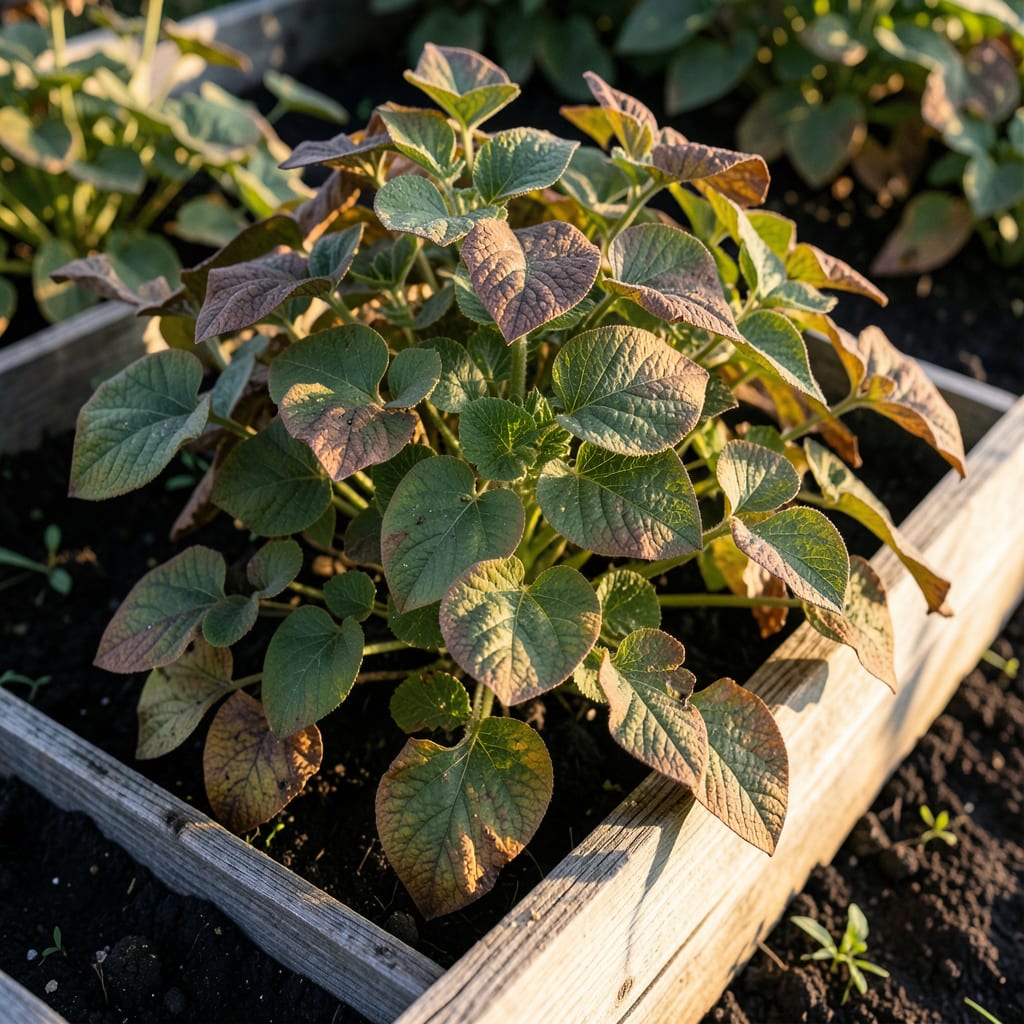
Brown leaves on potato plants hit me like a gut punch last July. One morning they’re vibrant green, the next they’re crisp and dying. I’ve learned the hard way that this is your plant’s SOS signal.
It’s rarely just one thing—usually a combination of factors like water stress, disease, or nutrient issues. The good news? Most causes are fixable if you act fast. I saved my crop last year by identifying the problem within 48 hours.
You’ll need to play detective: check the soil, inspect the leaves, and consider recent weather. The solution might be as simple as adjusting your watering schedule or as involved as removing infected plants.
Prevention is easier than cure. Healthy soil, proper spacing, and consistent care keep most brown-leaf problems from ever starting. Let’s figure out what’s happening in your patch.
Potato plant leaves turning brown can signal several underlying issues, each with distinct triggers. Identifying the root cause is key to restoring plant health. Below are the most common culprits, explained with actionable insights.
Extreme temperatures, drought, or excessive sunlight can scorch potato leaves. High heat (above 85°F/29°C) disrupts chlorophyll production, while frost damages cell structures. Action: Provide afternoon shade in hot climates and mulch to retain soil moisture.
Overwatering or underwatering stresses the plant. Soggy soil suffocates roots, reducing nutrient uptake, while drought causes leaf edges to crisp. Action: Water deeply 1–2 times weekly, ensuring soil is moist but not waterlogged. Use a moisture meter for precision.
Pathogens like Alternaria solani (early blight) or Phytophthora infestans (late blight) thrive in humid conditions, causing brown spots with yellow halos. Bacterial leaf spot (Pseudomonas spp.) creates water-soaked lesions. Action: Remove infected foliage, improve airflow, and apply copper-based fungicides preventatively.
Sap-sucking pests (e.g., aphids, Colorado potato beetles) weaken plants, leading to brown, curled leaves. Their feeding introduces toxins and spreads viruses. Action: Inspect undersides of leaves; use neem oil or insecticidal soap for minor infestations.
Lack of potassium or magnesium manifests as brown leaf margins or interveinal browning. Potassium deficiency often starts at leaf tips, while magnesium shortage causes yellowing between veins. Action: Test soil and amend with potassium sulfate or Epsom salt (magnesium) as needed.
If your potato plant leaves are turning brown, act fast to restore their health. Below are targeted solutions for the most common causes, along with prevention tips to keep your plants thriving.
Give your plants a deep watering at the base (avoid wetting the leaves) to encourage root growth. Water early in the morning to reduce evaporation. Prevention tip: 💡 Mulch around the base with straw to retain moisture and regulate soil temperature.
Stop watering immediately and let the soil dry out. If the soil is waterlogged, amend it with compost or sand to improve drainage. For potted potatoes, ensure containers have drainage holes. Prevention tip: ✨ Water only when the top 1-2 inches of soil feel dry.
Prune affected leaves with sterilized shears and discard them (do not compost). Apply a copper-based fungicide or a homemade mix of 1 tbsp baking soda + 1 tsp dish soap in a gallon of water. Spray every 7-10 days. Prevention tip: 🌡️ Space plants 12-18 inches apart for airflow and avoid overhead watering.
For aphids or Colorado potato beetles, spray plants with neem oil or insecticidal soap. Handpick beetles and drop them in soapy water. Introduce beneficial insects like ladybugs. Prevention tip: 🎯 Rotate crops yearly and use row covers to deter pests.
Test your soil and amend with the missing nutrients. For potassium deficiency, add wood ash or a balanced fertilizer. For nitrogen deficiency, use compost or a nitrogen-rich amendment. Prevention tip: ✨ Fertilize at planting and side-dress with compost mid-season.
During heatwaves, erect a shade cloth (30-50% shade) to protect leaves from scorching. Water deeply in the early morning. Prevention tip: 🌿 Plant in a location with afternoon shade if you live in a hot climate.
Drought causes crisp, dry edges while disease creates soft, spotted browning. Check soil moisture first—dry soil means underwatering, while wet soil with brown spots suggests fungal issues.
Yes, remove severely damaged leaves to redirect energy. Use clean shears and discard (don’t compost) infected foliage. This improves airflow and reduces disease spread.
Over-fertilizing, especially with nitrogen, can burn leaves. Stick to balanced formulas and follow package rates. Test soil before adding amendments.
Move it to shade immediately and water deeply at the base. Mulch with straw to retain moisture. Avoid overhead watering during peak heat.
