
Beautiful Plants For Your Interior
Beautiful Plants For Your Interior
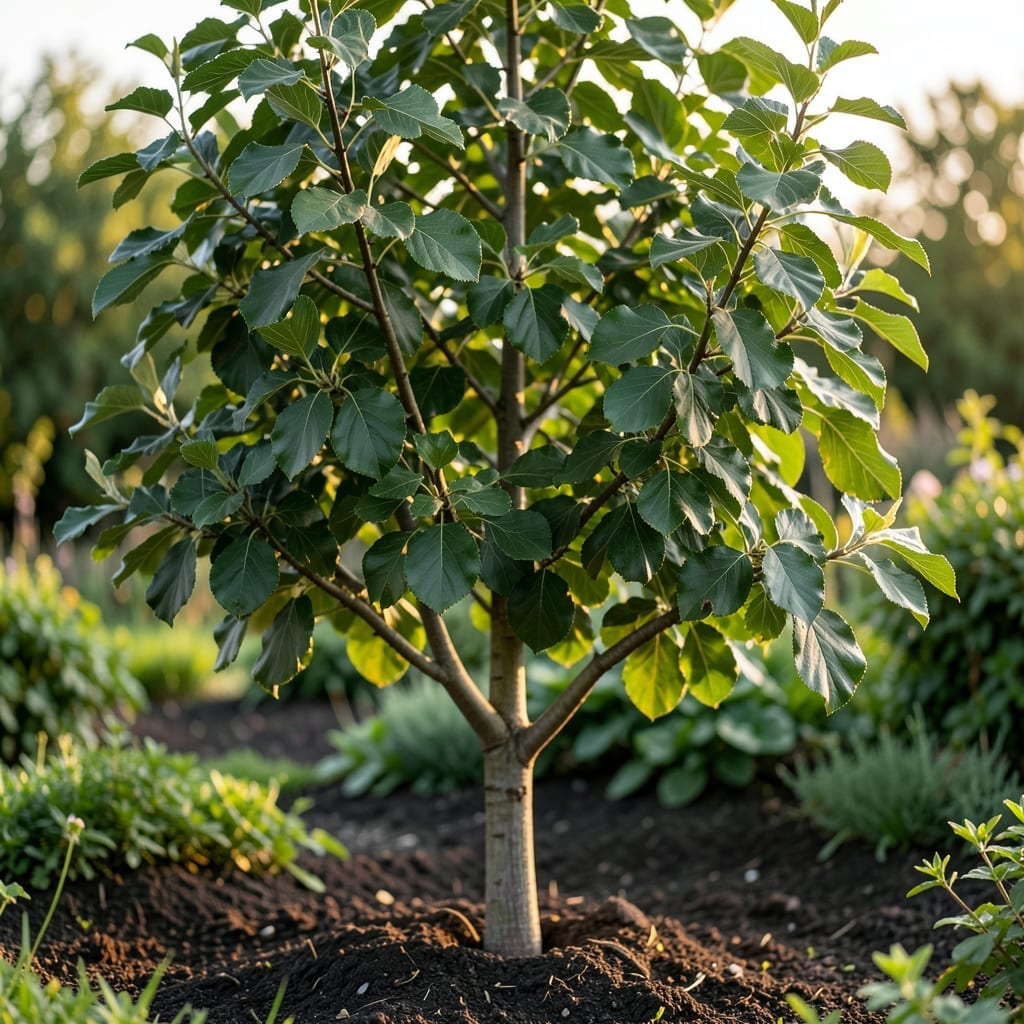
Nothing stings like watching your plum tree leaf out every spring without a single fruit. I’ve been there—staring at empty branches while neighbors brag about their harvests.
Turns out, the usual suspects are simpler than you’d think: wrong variety for your area, 3-5 years of youthful immaturity, or a pollination partner that never shows up. Most plum trees need a compatible buddy within 100 feet to set fruit properly.
Other times it’s us making things harder. Over-pruning removes fruiting wood, while over-fertilizing pushes leafy growth instead of plums. Even late frost can wipe out blossoms overnight.
Here’s the thing—fixing this starts with understanding which problem your tree actually has. Let’s figure it out.
A plum tree failing to produce fruit often stems from preventable issues. Below are the most common causes, explained with actionable insights.
Plum trees often require cross-pollination with a compatible variety to set fruit. If your tree is isolated or lacks a pollinator partner, fruit production halts. Even self-fertile varieties benefit from nearby pollinators. Solution: Plant a second plum tree of a compatible cultivar within 50 feet or introduce pollinators like bees.
Young plum trees (under 3–5 years old) may not bear fruit as they focus on root and canopy development. Conversely, older trees (10+ years) can become less productive due to declining vigor. Solution: Practice patience with young trees and rejuvenate older ones with pruning and fertilization.
Plum trees need a specific number of chill hours (temperatures between 32°F and 45°F) to break dormancy and flower. Insufficient chill or late frosts can damage blossoms, preventing fruit set. Solution: Choose low-chill varieties for warm climates and protect blossoms with frost cloth if late frosts are common.
A lack of phosphorus (critical for flowering) or potassium (for fruit development) can stall production. Nitrogen excess, meanwhile, promotes leafy growth at the expense of fruit. Solution: Test soil annually and amend with balanced fertilizers or organic matter like compost.
Over-pruning removes fruiting wood (spurs), while under-pruning leads to overcrowded branches that block sunlight and air circulation. Solution: Prune in late winter to remove dead wood and open the canopy, but avoid cutting more than 20% of the tree annually.
If your plum tree isn’t bearing fruit, don’t lose hope! Here’s how to troubleshoot and revive its productivity with targeted fixes for each common issue.
Plum trees often need cross-pollination from another compatible variety. Plant a second plum tree nearby (within 50 feet) or hand-pollinate by transferring pollen with a small brush. Attract bees by adding pollinator-friendly flowers like lavender or sunflowers to your garden.
Prevention tip: 💡 Choose self-fertile plum varieties like Stanley or Methley if space is limited.
A lack of phosphorus or potassium can stall fruit production. Test your soil and amend it with bone meal (for phosphorus) or wood ash (for potassium). Apply a balanced fertilizer (10-10-10) in early spring, but avoid over-fertilizing with nitrogen, which promotes leafy growth over fruit.
Prevention tip: 🌱 Mulch with compost annually to maintain soil fertility.
Plum trees typically bear fruit at 3–5 years old. If yours is younger, be patient! For mature trees, prune lightly—remove only dead or diseased branches, as aggressive pruning can reduce fruiting wood. Thin out crowded branches to improve airflow and sunlight penetration.
Prevention tip: ✨ Prune in late winter before buds swell to avoid stressing the tree.
Too much or too little water can cause fruit drop or poor production. Water deeply (1–2 inches) weekly during dry spells, especially when flowers and fruit are forming. Avoid waterlogging—ensure the soil drains well. Drip irrigation works best to keep foliage dry and prevent disease.
Prevention tip: 🎯 Use a moisture meter to monitor soil conditions.
Pests like aphids or diseases such as brown rot can weaken the tree. Spray with neem oil or horticultural oil in early spring to deter pests. Remove and destroy any infected fruit or leaves to prevent spread. For fungal issues, apply copper fungicide as a preventive measure.
Prevention tip: ✨ Clean up fallen leaves and fruit year-round to reduce disease risk.
Most plum trees start producing at 3-5 years old. Dwarf varieties may fruit slightly sooner. If yours is younger, patience is key—focus on proper watering and care.
Most need a compatible pollinator within 50-100 feet. Some self-fertile types like Stanley or Methley can fruit alone, but yield improves with a partner. Bees help transfer pollen.
Late frosts often destroy blossoms. Check for frost damage or poor pollination. Also, over-fertilizing with nitrogen can cause leafy growth instead of fruit. Test soil balance.
Yes! Heavy pruning removes fruiting wood. Stick to light pruning in late winter, removing only dead or crowded branches. Never cut more than 20% of the tree.