
Beautiful Plants For Your Interior
Beautiful Plants For Your Interior
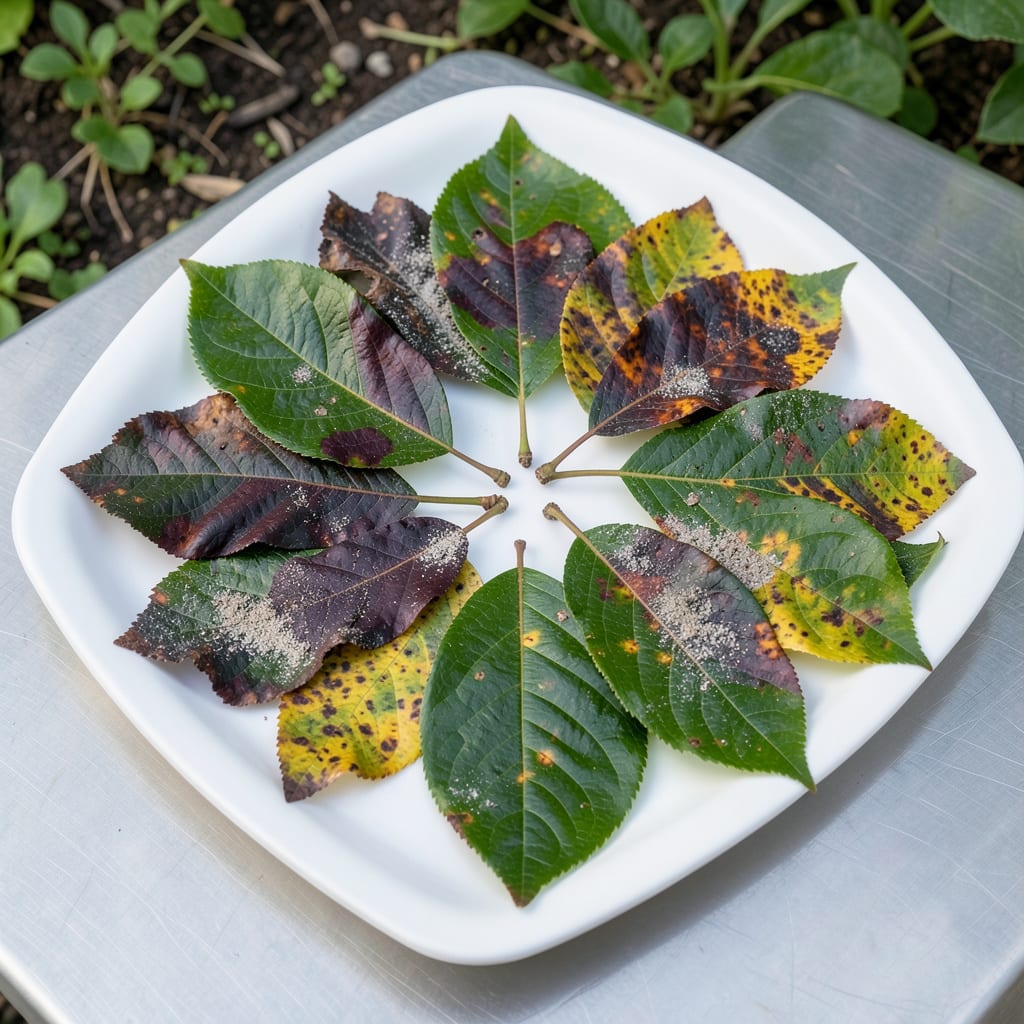
Spotted, yellowing, or curled leaves on your plum tree mean trouble. I’ve seen entire orchards defoliate overnight from preventable diseases that start with subtle leaf changes.
Most issues stem from fungal infections, bacterial spots, or environmental stress. The good news is that early identification and simple treatments can save your tree and next year’s harvest.
You’ll learn to recognize the specific patterns of brown rot, leaf curl, and powdery mildew before they spread. Catching these early means the difference between a minor setback and losing your crop.
Works for backyard trees, commercial orchards, and everything in between. Here’s what to watch for.
Plum tree leaf diseases often stem from a mix of environmental, biological, and cultural factors. Understanding these causes helps you prevent and manage issues before they spread. Below are the primary triggers behind common plum tree leaf diseases.
Fungi like Peach Leaf Curl (Taphrina deformans) and Brown Rot (Monilinia spp.) thrive in wet, humid conditions. These pathogens overwinter in bark or fallen leaves, then infect new growth in spring. Poor air circulation and overhead watering create ideal breeding grounds for spores.
Bacteria such as Xanthomonas arboricola cause Bacterial Spot, leading to angular lesions on leaves. These microbes enter through wounds or stomata, often spread by rain, contaminated tools, or insects. Warm, wet weather accelerates bacterial growth.
Insects like aphids and leafhoppers transmit viral diseases (e.g., Plum Pox Virus) while feeding. Their piercing mouthparts introduce pathogens directly into leaf tissues. Weak trees or those under stress are more susceptible to pest attacks.
Drought, excessive heat, or nutrient deficiencies weaken trees, making them prone to infections. Poor soil drainage can also lead to root rot, indirectly affecting leaf health. Over-fertilization, especially with nitrogen, may promote tender growth that’s easily infected.
Improper pruning, lack of sanitation (e.g., leaving infected debris), or planting in crowded spaces can exacerbate disease spread. Using non-sterilized tools can transfer pathogens between trees, while inconsistent watering stresses the plant further.
Tackling plum tree leaf diseases starts with identifying the problem and applying targeted fixes. Below are practical solutions for common issues, paired with prevention tips to keep your tree thriving. 🌿
If you notice brown or black spots (often bacterial leaf spot or shot hole disease), prune infected leaves and branches immediately using sterilized shears. Dispose of debris far from the tree to prevent reinfection. Apply a copper-based fungicide every 10–14 days during wet seasons. Prevention tip: Improve airflow by thinning branches, and avoid overhead watering. 💡
White, powdery patches on leaves signal mildew. Treat with neem oil or sulfur-based sprays at the first sign. Remove fallen leaves and debris, as spores overwinter there. Prevention tip: Space trees properly and water at the base in the morning to reduce humidity. ✨
Sticky residue or curled leaves? Check for pests like aphids or spider mites. Blast them off with water, then apply insecticidal soap weekly until gone. Introduce beneficial insects like ladybugs for long-term control. Prevention tip: Inspect leaves regularly, especially undersides, and avoid over-fertilizing with nitrogen. 🎯
Uniform yellowing often means nutrient deficiency (e.g., nitrogen or iron). Test soil pH (ideal: 6.0–7.0) and amend with compost or a balanced fertilizer. For iron chlorosis, apply chelated iron. Prevention tip: Mulch around the base to retain moisture and nutrients. 🌡️
Consistency is key—monitor your tree weekly and act at the first sign of trouble. Healthy plum trees start with proactive care! 🌳
Look for white powdery coatings, dark spots with yellow halos, or curled leaves. Fungal issues often appear after wet weather and spread quickly without treatment.
Improve air circulation by pruning, water at the base in the morning, and remove fallen leaves promptly. Sterilize tools between uses to stop pathogen spread.
Yes! Neem oil or baking soda sprays can treat mild fungal issues. For bacteria, copper soap works well. Always apply in the evening to avoid leaf burn.
Many diseases like brown rot start on leaves but infect fruit as it matures. Remove affected leaves early to protect your harvest.
