
Beautiful Plants For Your Interior
Beautiful Plants For Your Interior
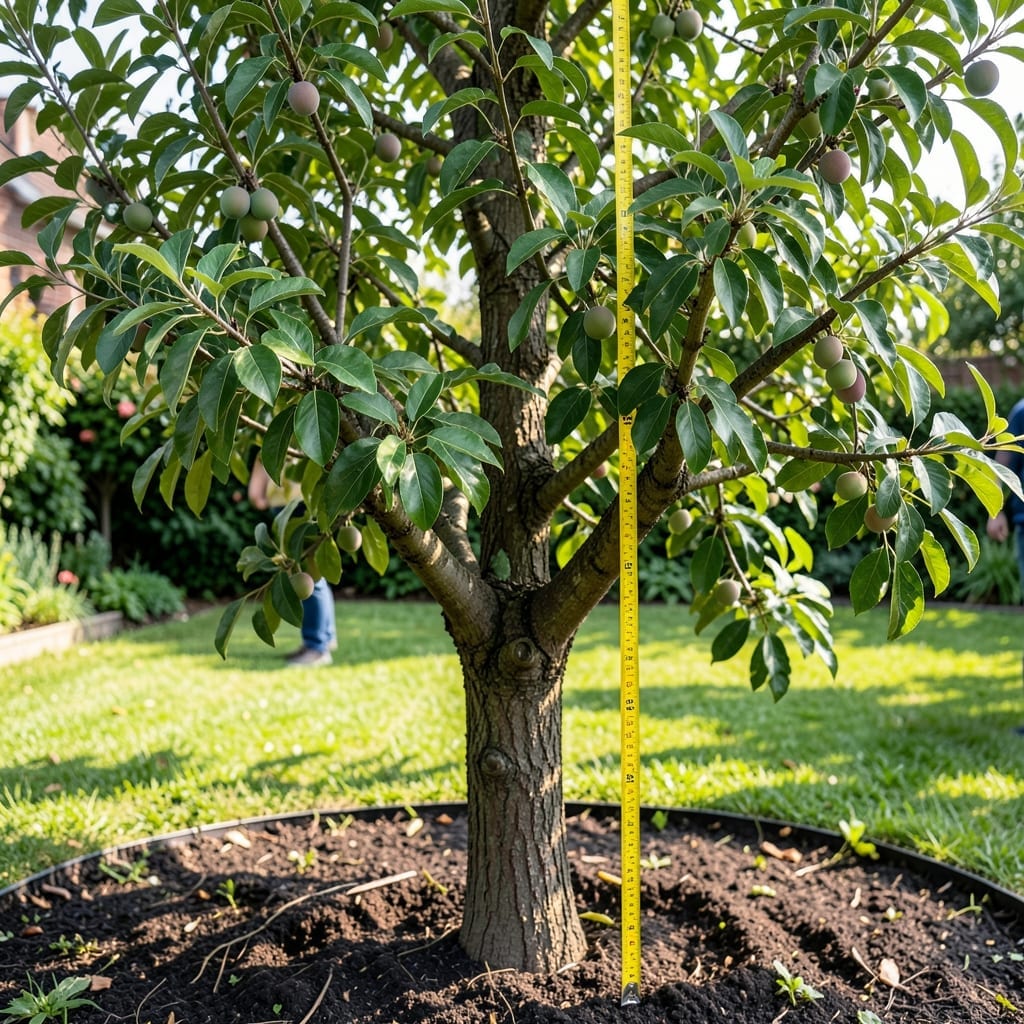
Plum trees can transform your garden with their delicate blossoms and delicious fruit, but their mature height varies dramatically by variety. Whether you’re planning an orchard or a backyard 🌳 tree, knowing these differences is essential.
From compact dwarf varieties to towering standard types, the range might surprise you. I’ve seen firsthand how the wrong choice can lead to overcrowding or missed opportunities for that perfect garden layout.
Discover the typical heights you can expect and how to pick the ideal Plum Tree for your space. Let’s get started.

When I first planted plum trees in my garden, I was amazed by how much their mature height varied. The difference between dwarf and standard varieties can be 15 feet or more, which dramatically affects spacing and care.
Most standard plum trees reach 20-25 feet tall, while semi-dwarf types typically max out at 12-15 feet. Dwarf plum trees stay compact at just 8-10 feet, perfect for small spaces.
| Variety | Mature Height | Best For |
|---|---|---|
| Standard European | 20-25 ft | Large orchards |
| Semi-Dwarf | 12-15 ft | Backyard gardens |
| Dwarf Methley | 8-10 ft | Containers, small spaces |
| Japanese Plum | 15-20 ft | Warmer climates |
| Damson | 12-18 ft | Preserves, jams |
The rootstock plays a crucial role in determining final size. I’ve learned that dwarfing rootstocks like Myrobalan or Marianna keep trees small, while standard rootstocks allow full growth.
European plum trees like Stanley often reach 20 feet, making them ideal for large properties. In contrast, Methley dwarf varieties stay under 10 feet, perfect for patios.
For container gardening, I recommend dwarf plum trees as they thrive in pots. Their 8-10 foot height is manageable and they still produce abundant fruit.
Semi-dwarf varieties offer a great middle ground. At 12-15 feet, they fit well in most backyard gardens while still producing a full crop of plums.
I’ve found that Japanese plum trees tend to be slightly shorter than European types, typically maxing out at 15-20 feet. They’re excellent for warmer climates and produce sweet, juicy fruit.
Remember that these heights are mature sizes. In the first few years, expect your plum tree to grow 3-5 feet annually under ideal conditions. Proper pruning can help control height and shape.
When planning your garden layout, always consider the mature spread too, which is often 70-80% of the height. This ensures proper spacing for air circulation and sunlight exposure.
In my experience, the final height of your plum tree isn’t just about the variety. Several environmental factors play a huge role in how tall it will grow.
Soil quality is the foundation. I’ve seen plum trees struggle in poor-draining soil, while those in rich, loamy earth thrive and reach their full potential.
Sunlight is non-negotiable. Plum trees need full sun to reach their maximum height. In shady spots, they’ll grow taller but leggy and weak as they stretch for light.
Watering makes a difference too. I water my plum trees deeply once weekly, which encourages strong root development and steady upward growth. Drought conditions can stunt their progress.
Pruning is your height control tool. I use summer pruning to limit vertical growth and winter pruning to shape the tree. This keeps my semi-dwarf plums at a manageable 12-13 feet instead of 15.
Climate affects growth rates. In warmer zones, plum trees grow faster and taller. My Japanese plum in zone 7 reached 18 feet in just 6 years, while a friend’s in zone 5 took 8 years to hit 15.
Finally, nutrient availability impacts height. I fertilize with a 10-10-10 balance in early spring, which gives my trees the boost they need for robust growth each season. 🌳