
Beautiful Plants For Your Interior
Beautiful Plants For Your Interior
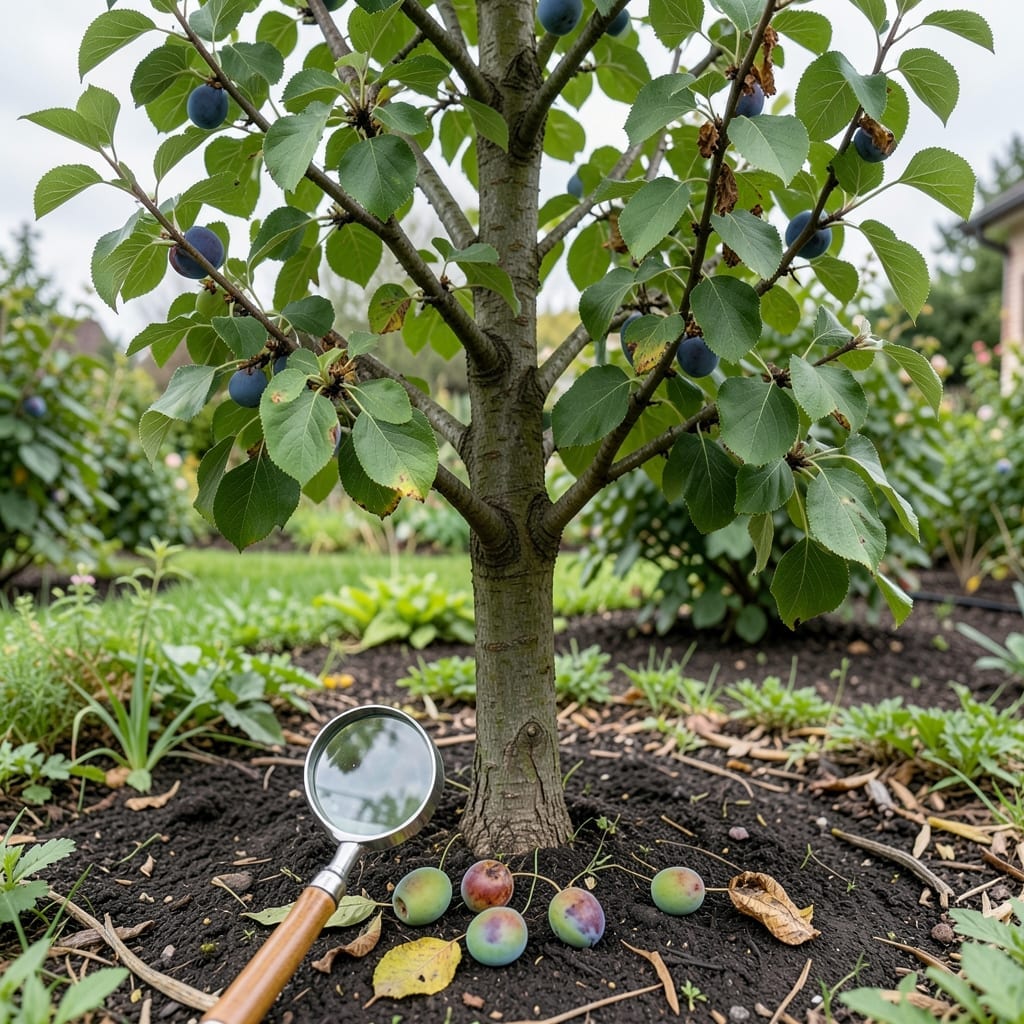
Brown spots on leaves or shriveled fruit—your plum tree might be crying for help. I learned the hard way that early detection saves seasons of harvests.
Most issues start with subtle changes: yellowing leaves, sticky residue, or tiny holes. Catching these first signs means the difference between a quick fix and losing the tree entirely.
Natural cures work surprisingly well if you act fast. Simple sprays, better airflow, and removing affected parts can stop the spread without harsh chemicals.
Works for backyard orchards or single trees. Here’s how to diagnose and treat before it’s too late.
Plum trees, like all plants, can fall victim to diseases when conditions align against them. Understanding the root causes helps you prevent problems before they start. Here’s why these issues arise:
Many plum tree diseases, such as brown rot (Monilinia spp.) or bacterial leaf spot (Xanthomonas arboricola), stem from fungal or bacterial infections. These pathogens thrive in warm, wet conditions, spreading through spores or contaminated tools. Overhead watering or poor air circulation creates the perfect breeding ground.
Pests like aphids, plum curculio, or scale insects weaken trees by feeding on sap or fruit, leaving entry points for disease. For example, aphids secrete honeydew, which promotes sooty mold growth. A stressed tree is far more susceptible to secondary infections.
Drought, waterlogging, or nutrient deficiencies (e.g., lack of nitrogen or potassium) stress plum trees, reducing their natural defenses. Poor soil drainage, for instance, leads to root rot (Phytophthora spp.), while extreme temperatures can trigger canker diseases.
Improper pruning (e.g., leaving stubs), failing to remove fallen fruit or debris, or planting in overcrowded spaces encourages disease spread. Sanitation is key—pathogens overwinter in dead wood or mummified fruit, reinfecting trees the following season.
Dealing with plum tree issues doesn’t have to be overwhelming. Here’s a clear, actionable guide to tackle common problems and keep your tree thriving. 🌿
If you spot mushy, brown fruit or blossoms, act fast. Prune infected branches immediately, cutting at least 4 inches below the damaged area. Disinfect your tools with rubbing alcohol between cuts to prevent spreading. Prevention tip: Apply a copper-based fungicide in early spring and again after petal fall. 💡 Keep the area clean—remove fallen fruit and debris to stop the fungus from overwintering.
See curled leaves or sticky residue? Aphids or mites are likely the culprits. Blast them off with a strong stream of water, then apply neem oil or insecticidal soap, repeating every 5–7 days until they’re gone. Prevention tip: Encourage natural predators like ladybugs by planting companion flowers (e.g., marigolds). ✨ Avoid over-fertilizing—aphids love new, tender growth.
White, powdery spots on leaves? This fungal issue thrives in humid, crowded conditions. Prune dense branches to boost airflow, and water at the base (not overhead) to keep leaves dry. Apply sulfur-based fungicide or a baking soda solution (1 tbsp baking soda + 1 tsp dish soap + 1 gallon water). Prevention tip: Space trees properly and thin out excess foliage yearly. 🌡️
Dark, water-soaked spots with yellow halos? This bacteria spreads via wet conditions and contaminated tools. Remove infected leaves and branches, and disinfect pruners with bleach. Use a copper spray as a protective barrier. Prevention tip: Avoid overhead watering and choose disease-resistant plum varieties (e.g., ‘Stanley’ or ‘Methley’) for future planting. 🎯
Look for brown or black spots on leaves, mushy fruit, or sticky residue. These are classic signs of common issues like brown rot or aphid infestations. Early detection is key to saving your harvest.
Yes! Natural solutions like neem oil, baking soda sprays, or copper-based fungicides work well. Always remove infected parts first to prevent spreading.
Cut at least 4 inches below infected areas and disinfect tools between cuts. This removes the disease source and protects healthy parts.
Improve airflow, water at the base, and keep the area clean. Remove fallen fruit and debris where pathogens can overwinter.