
Beautiful Plants For Your Interior
Beautiful Plants For Your Interior
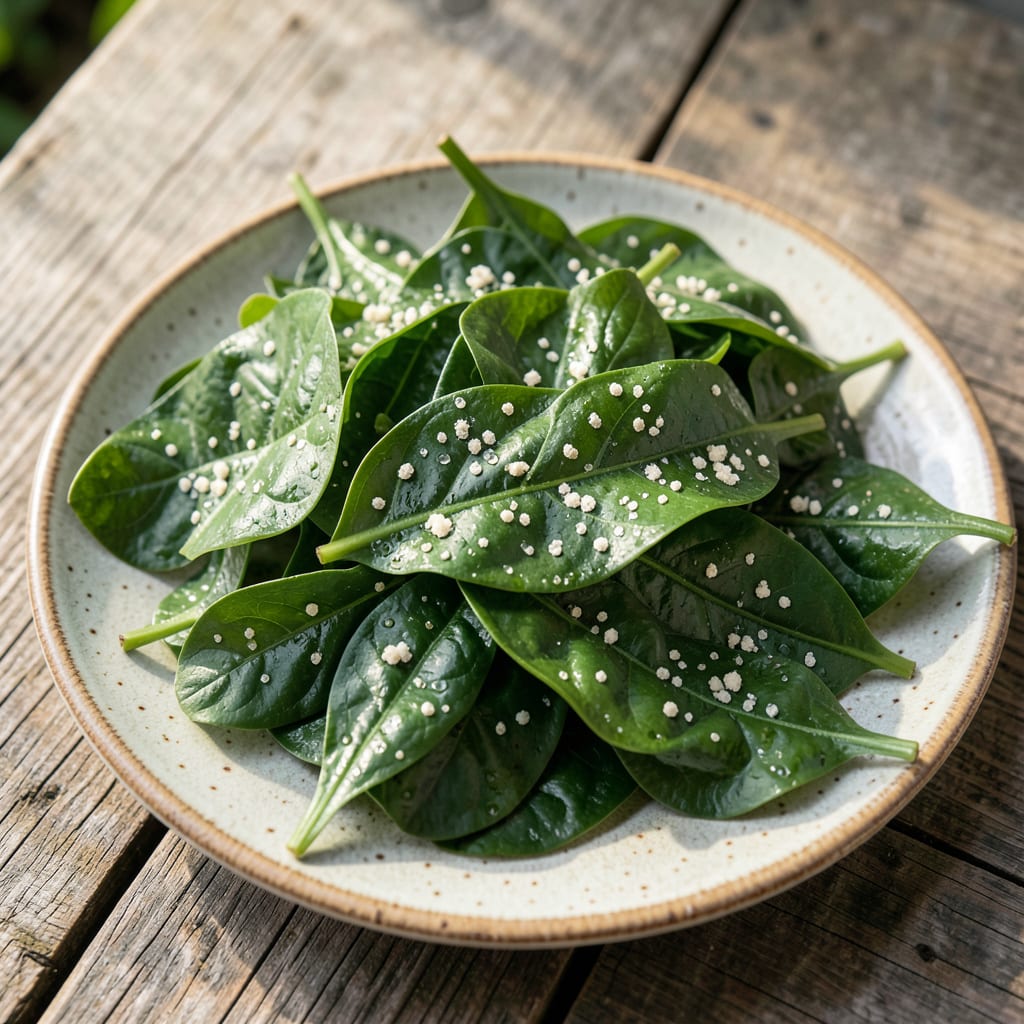
Spotted white marks on your leaves aren’t just unsightly—they’re a warning sign. I learned this the hard way after losing a whole bed of zucchini to powdery mildew.
These spots often start as tiny specks before spreading into powdery patches or webbing. The culprits usually come down to fungus, pests, or even hard water residue from sprinklers.
Catching them early means the difference between a quick fix and a full-blown outbreak. I’ve tested natural sprays and prevention tricks that work without harsh chemicals.
Here’s how to diagnose the issue and stop it in its tracks before your plants pay the price.
Those tiny white blemishes on your plant’s foliage aren’t random—they’re usually a sign of a specific stress or invader. Below are the most common triggers, explained in plain science so you can diagnose fast and treat smarter.
Powdery mildew and downy mildew are the prime fungal suspects. Podosphaera or Peronospora spores land on leaf surfaces, germinate, and send hyphal threads into the cells, siphoning nutrients and leaving behind white, powdery colonies. High humidity (above 70%) and poor air circulation create the perfect Petri dish.
Mealybugs, spider mites, and whiteflies secrete waxy or cottony residues that look like white spots. Mealybugs (Pseudococcidae) cluster in leaf axils, piercing cells to feed on sap; their white, fluffy egg sacs stick to the surface. Spider mites (Tetranychus urticae) spin fine webbing that can collect dust, forming pale stippling.
Tap water rich in calcium and magnesium can leave chalky residues when droplets evaporate. These minerals don’t harm the leaf tissue directly, but the spots can block stomata, reducing gas exchange over time. Common in greenhouse settings with overhead irrigation.
When roots absorb water faster than the plant can transpire, leaf cells swell and burst, creating tiny white or tan blisters—often on undersides. This physiological disorder is triggered by humid air, cool roots, and warm soil, disrupting normal water regulation.
If you’ve spotted tiny white dots on your plant’s leaves, don’t panic—most causes are treatable with simple, natural fixes. Below are targeted solutions for the most common culprits, along with prevention tips to keep your greens thriving.
Fix: Mix 1 teaspoon of baking soda + 1 quart of water + a few drops of dish soap and spray affected leaves weekly until the spots vanish. For stubborn cases, use neem oil (1 tablespoon per gallon of water) as a fungicide. Always spray in the early morning to avoid leaf burn.
Prevent: Improve airflow around plants, avoid overhead watering, and remove fallen leaves promptly. 💡 Pro tip: Space plants farther apart to reduce humidity buildup.
Fix: Wipe leaves with a cotton swab dipped in rubbing alcohol (70%) to remove pests on contact. For larger outbreaks, spray with insecticidal soap (follow label instructions) or introduce ladybugs—nature’s pest control!
Prevent: Inspect new plants before bringing them indoors. 🌡️ Pro tip: Spider mites thrive in dry conditions—mist plants regularly or use a humidifier.
Fix: Gently wipe leaves with a damp cloth and distilled white vinegar (1:1 ratio with water) to dissolve deposits. For potted plants, flush the soil with distilled water to leach out excess minerals.
Prevent: Use rainwater or filtered water for irrigation. If tap water is your only option, let it sit out for 24 hours to allow chlorine to evaporate.
Fix: Move the plant to a spot with bright, indirect light and trim severely damaged leaves to redirect energy to healthy growth. Increase humidity with a pebble tray or humidifier.
Prevent: Acclimate plants gradually to new light conditions. ✨ Pro tip: Use sheer curtains to diffuse harsh sunlight for sensitive species.
Not necessarily. They can also result from mineral deposits or pest activity. Check for webbing or sticky residue to confirm the cause.
A baking soda and water spray works well for fungal issues. For pests, rubbing alcohol on a cotton swab is effective.
Improve airflow, avoid overhead watering, and use filtered water. Regularly inspect leaves for early signs of trouble.
