
Beautiful Plants For Your Interior
Beautiful Plants For Your Interior
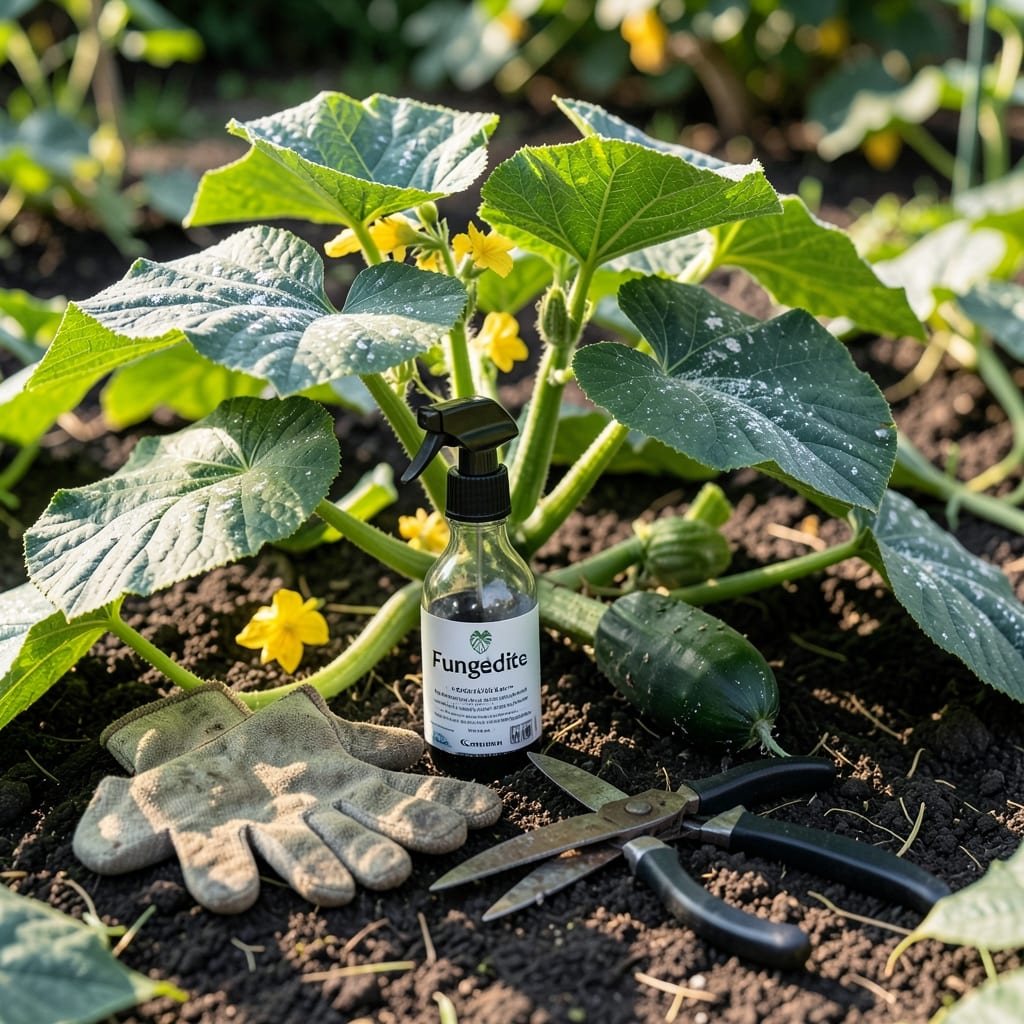
White powdery spots on leaves mean trouble. I’ve lost count of how many plants I’ve saved by catching mildew early and acting fast.
This stuff spreads quickly in humid conditions, but natural treatments like neem oil or baking soda spray can stop it in its tracks. Prevention is simpler than you think—just improve airflow and avoid overhead watering.
Your plants will bounce back with healthier foliage within a week or two. No harsh chemicals needed, just consistency and the right approach.
Works for houseplants, garden beds, and container plants alike. Here’s how to tackle it head-on.
Plant mildew thrives when conditions align for fungal growth. Understanding the root causes helps you prevent and tackle outbreaks effectively. Below are the primary triggers:
Fungal spores love moisture. When humidity exceeds 60% and air stagnates (e.g., in crowded greenhouses or dense foliage), spores settle on leaves and multiply. Action: Improve ventilation with fans or prune overgrowth to boost airflow.
Waterlogged soil and damp leaves create a breeding ground. Overhead watering leaves residual moisture, while soggy roots stress plants, weakening their defenses. Action: Water at the base early in the day, and use drip irrigation to keep foliage dry.
Excess nitrogen promotes lush, soft growth—tender tissue that’s easier for fungi to penetrate. Conversely, potassium or phosphorus deficiencies reduce a plant’s natural resistance. Action: Use a balanced fertilizer and adjust based on soil tests.
Some plants, like roses, cucumbers, and zinnias, are genetically prone to mildew. Even ideal conditions won’t fully protect them. Action: Opt for resistant cultivars (e.g., mildew-resistant cucumber hybrids) and monitor closely.
Fallen leaves, dead stems, and mulch harbor spores over winter. These pathogens reactivate in warm, wet springs. Action: Clear garden debris regularly and rotate crops to disrupt fungal life cycles.
Mildew doesn’t have to mean the end for your plants. Targeted fixes can restore health and prevent future outbreaks. Below are actionable solutions for common causes, plus prevention tips to keep your greenery thriving.
Stagnant air traps moisture, creating a perfect breeding ground for mildew. Fix it: Space plants apart to allow airflow, and use a small fan on low to keep air moving. For indoor plants, open windows occasionally or invest in a dehumidifier if humidity stays above 60%. Prevention tip: 💡 Avoid overcrowding plants—give them room to breathe!
Too much water leads to soggy soil and damp foliage, inviting mildew. Fix it: Water only when the top inch of soil is dry, and always water at the base of the plant to keep leaves dry. Use a moisture meter if you’re unsure. Prevention tip: ✨ Water early in the day so excess moisture evaporates quickly.
Mildew spreads fast, so act quickly. Fix it: Remove heavily infected leaves or stems and dispose of them in sealed bags. For mild cases, spray plants with a DIY solution of 1 part milk to 9 parts water, or use neem oil (follow label instructions). Prevention tip: 🎯 Regularly inspect plants for early signs, like white powdery spots.
Stressed or malnourished plants are more susceptible. Fix it: Strengthen plants with balanced, organic fertilizer and ensure they get the right light for their species. Avoid over-fertilizing, which can soften growth and attract mildew. Prevention tip: 🌡️ Maintain consistent care—healthy plants naturally resist disease better.
Apply natural treatments like neem oil or baking soda spray every 7-10 days until the issue clears. For severe cases, shorten to 5 days between applications. Always treat in the morning for best results.
Yes! A 1:9 milk-to-water solution or 1 teaspoon baking soda in 1 quart water with a drop of soap works well. These are gentle yet effective for early-stage mildew.
Recurring mildew usually means poor airflow or excess moisture. Check for crowded plants, overhead watering, or high humidity. Address these to break the cycle.
Chemical fungicides work but may harm beneficial insects or soil. Use only as a last resort and follow label instructions precisely. Organic options are safer for most gardens.