
Beautiful Plants For Your Interior
Beautiful Plants For Your Interior
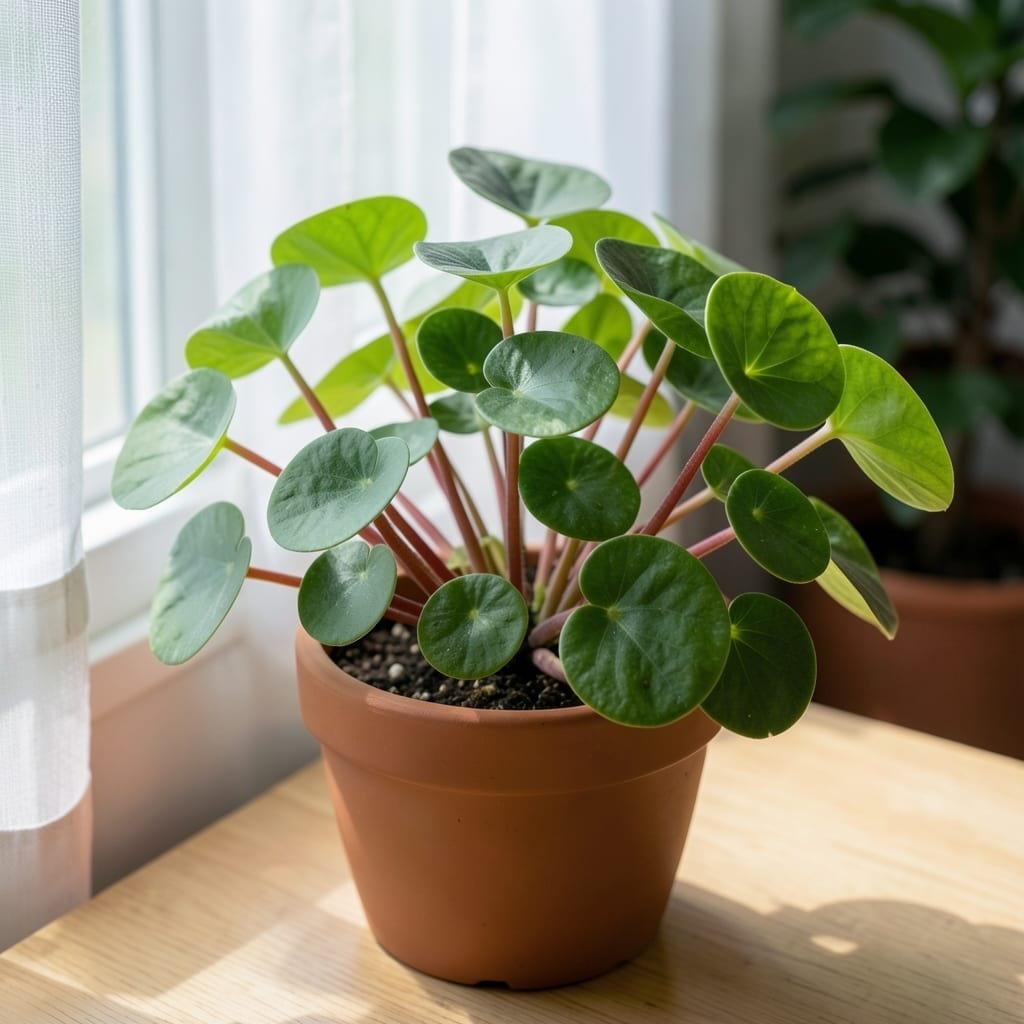
My Pilea looked like it was doing the cha-cha last week. Leaves curling in every direction, and I knew something was off.
Turns out, it was thirsty. Underwatering is the usual suspect, but overwatering can cause the same issue. Check the soil first—if it’s bone dry or soggy, you’ve found your problem.
Once you fix the watering, look for pests on the undersides of leaves. Spider mites love dry conditions and will make leaves curl to protect themselves.
With a few simple adjustments, your Pilea will be back to its healthy, perky self in no time. Trust me, it bounces back quick.
Pilea leaves curl as a stress response, and the culprits are usually environmental or care-related. Below are the most common causes, explained with actionable insights.
Underwatering causes leaves to curl inward to conserve moisture, while overwatering leads to root rot, which disrupts nutrient uptake and triggers curling. Pileas prefer consistent moisture—let the top 1-2 inches of soil dry between waterings, but never leave them bone-dry or soggy.
Pileas thrive in 65–75°F (18–24°C) and 40–50% humidity. Exposure to cold drafts (below 50°F/10°C) or dry air (common in winter) causes leaves to curl as a protective mechanism. Keep plants away from AC vents, heaters, or drafty windows.
While Pileas love bright, indirect light, direct sunlight scorch their leaves, leading to curling and brown edges. If leaves curl and feel crispy, move your plant to a spot with filtered light or use a sheer curtain to diffuse harsh rays.
A lack of magnesium or potassium can cause leaf curling, often paired with yellowing. Conversely, overfertilizing leads to salt buildup in the soil, burning roots and stressing the plant. Use a balanced, diluted liquid fertilizer every 4–6 weeks during growing season.
Sap-sucking pests like spider mites, aphids, or mealybugs drain nutrients from leaves, causing them to curl and distort. Inspect the undersides of leaves for webbing, sticky residue, or tiny bugs. Treat with neem oil or insecticidal soap at the first sign of trouble.
Don’t let curled leaves ruin your Pilea’s charm! Here’s how to tackle the most common causes and restore your plant’s happy, flat foliage.
If the soil feels dry 1-2 inches down, your Pilea is likely thirsty. Water deeply until it drains from the bottom, then let the topsoil dry slightly between waterings. Prevention tip: 💡 Stick to a consistent schedule—check soil moisture weekly, and adjust for seasons (less in winter, more in summer).
Soggy soil suffocates roots, leading to curled leaves. Stop watering immediately and let the soil dry out. If root rot is suspected, repot in fresh, well-draining soil and trim any mushy roots. Prevention tip: ✨ Use a pot with drainage holes and a moisture meter to avoid guesswork.
Bright, direct sunlight can scorch leaves, causing them to curl for protection. Move your Pilea to a spot with bright, indirect light (e.g., near an east-facing window). Prevention tip: 🎯 Rotate the pot quarterly to ensure even light exposure and prevent lopsided growth.
Pileas thrive in humidity. If your air is dry, leaves may curl to conserve water. Mist the leaves daily or use a humidity tray (pebbles + water under the pot). Prevention tip: 🌡️ Group plants together or invest in a humidifier for a tropical vibe.
Spider mites and aphids sap moisture, causing curling. Wipe leaves with a damp cloth or spray with neem oil (diluted as directed). Prevention tip: 🔥 Inspect new plants before bringing them home, and isolate infested ones immediately.
Yellowing + curling? Your Pilea might need food. Use a balanced, liquid houseplant fertilizer (half-strength) every 4-6 weeks in spring/summer. Prevention tip: 📊 Skip fertilizer in winter when growth slows.
Water when the top 1-2 inches of soil feel dry. Typically, this means every 7-10 days, but adjust for humidity and season. Always check soil moisture first!
Yes, if you fix the underlying issue quickly. New growth will be healthy, but severely curled leaves may not fully uncurl. Focus on consistent care and the plant will bounce back.
This often signals underwatering or nutrient deficiency. Lower leaves sacrifice themselves first to protect new growth. Check your watering routine and consider a balanced fertilizer.
Misting helps temporarily, but for lasting results, use a humidity tray or humidifier. Aim for 40-50% humidity for optimal Pilea health. Consistent moisture prevents curling.