
Beautiful Plants For Your Interior
Beautiful Plants For Your Interior
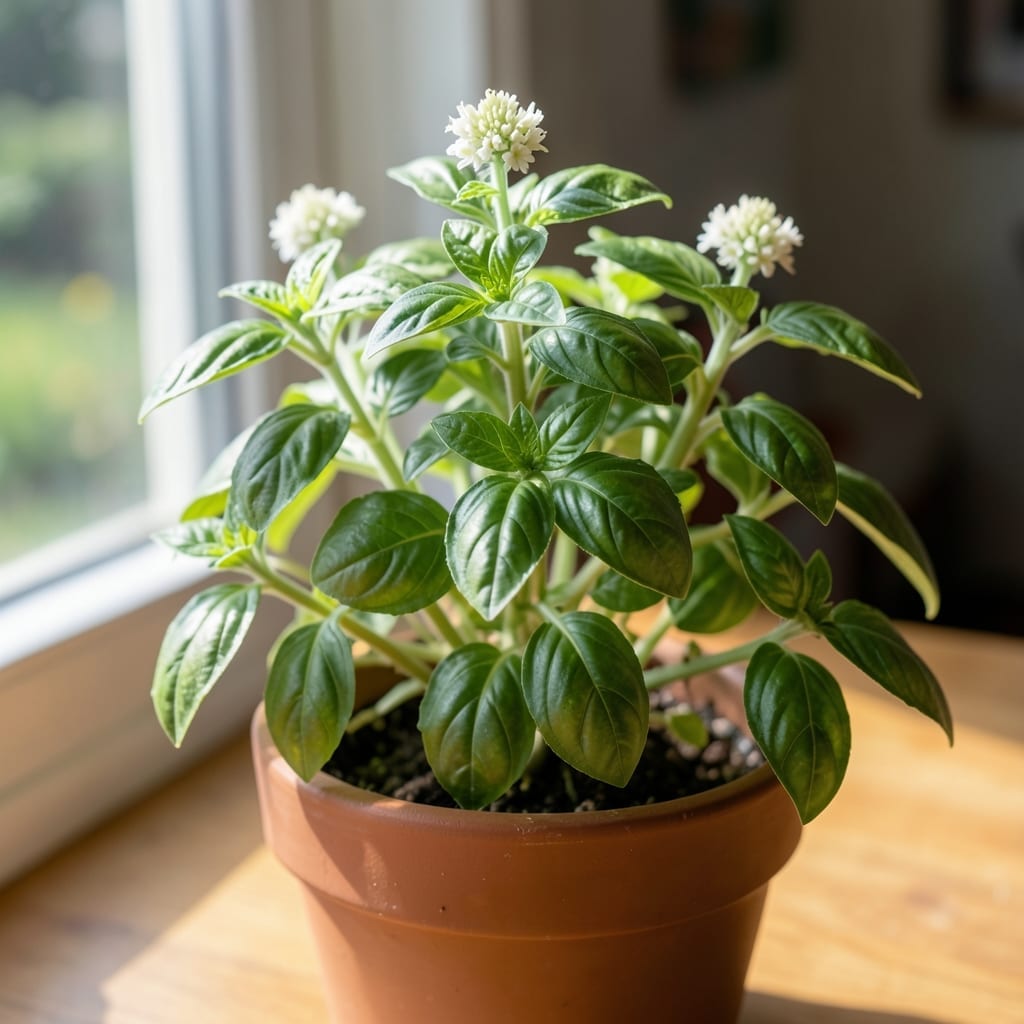
Ever noticed your 🌿 Basil looking a little lackluster despite your best efforts? The culprit might be hiding in plain sight – sunlight. Getting this right can mean the difference between healthy, flavorful leaves and a struggling plant.
Too much sun can scorch those delicate leaves, while too little leaves you with leggy, weak growth. It’s all about finding that sweet spot for your Basil to truly thrive.
Let me walk you through exactly what your Basil needs to flourish. You’ll discover the simple secrets to getting it just right, every time.

If you want healthy basil, sunlight is the key ingredient. I’ve found that 6-8 hours daily of direct sunlight is ideal for most basil varieties. This ensures robust growth and that signature aromatic flavor we all love.
Young basil plants, or seedlings, need a bit more care. They thrive with 4-6 hours of gentle morning sun to avoid stress. As they mature, gradually increase their exposure to build resilience.
| Requirement | Specification |
|---|---|
| Daily Sunlight | 6-8 hours |
| Young Plants | 4-6 hours |
| Sun Type | Direct Morning Sun |
| Climate Adjustment | Shade in Hot Afternoons |
In hotter climates, I recommend providing afternoon shade to prevent leaf scorch. Basil loves warmth but can suffer if temperatures exceed 90°F without relief.
If you’re growing basil indoors, place it near a south-facing window for maximum sunlight. If natural light is limited, consider supplementing with grow lights for 12-14 hours a day.
Watch for signs of sun stress, like yellowing or crispy edges on leaves. This usually means your basil is getting too much direct sunlight, especially during peak afternoon hours.
On the flip side, leggy growth and pale leaves often signal insufficient light. If your basil looks stretched out, it’s begging for more sun exposure.
For container gardening, I’ve had great success with balcony placements that get morning sun and afternoon shade. This setup mimics the natural conditions basil loves.
Remember, basil is sensitive to cold. If you’re in a cooler climate, ensure it gets full sun to compensate for lower temperatures. This helps maintain its growth rate and flavor profile.
Finally, rotate your basil pots weekly to ensure even growth. This prevents the plant from leaning toward the light source and promotes a balanced, bushy shape.
With the right sunlight balance, your basil will reward you with lush, fragrant leaves all season long. ☀️
Spotting sunlight issues early can save your basil plants from long-term damage. I always check for yellowing leaves first, as this often signals too much direct sunlight causing stress.
Another clear sign is leaf scorch—brown, crispy edges that appear when basil gets overwhelmed by intense afternoon sun. If you see this, it’s time to provide some afternoon shade immediately.
On the other hand, leggy growth with long stems and sparse leaves usually means your basil isn’t getting enough light. This happens when plants stretch toward any available light source.
If your basil looks pale green or has smaller than normal leaves, it’s likely starved for sunlight. Move it to a sunnier spot and watch for improvement within a week.
For container-grown basil, I recommend rotating pots every few days to ensure even light distribution. This prevents one-sided growth and promotes a fuller, healthier plant.
Remember, basil in cooler climates may need every bit of sunlight it can get. If temperatures are consistently below 70°F, maximize sun exposure to maintain growth.
With these simple checks, you’ll keep your basil in the perfect light balance for vibrant, healthy growth. 🌿