
Beautiful Plants For Your Interior
Beautiful Plants For Your Interior
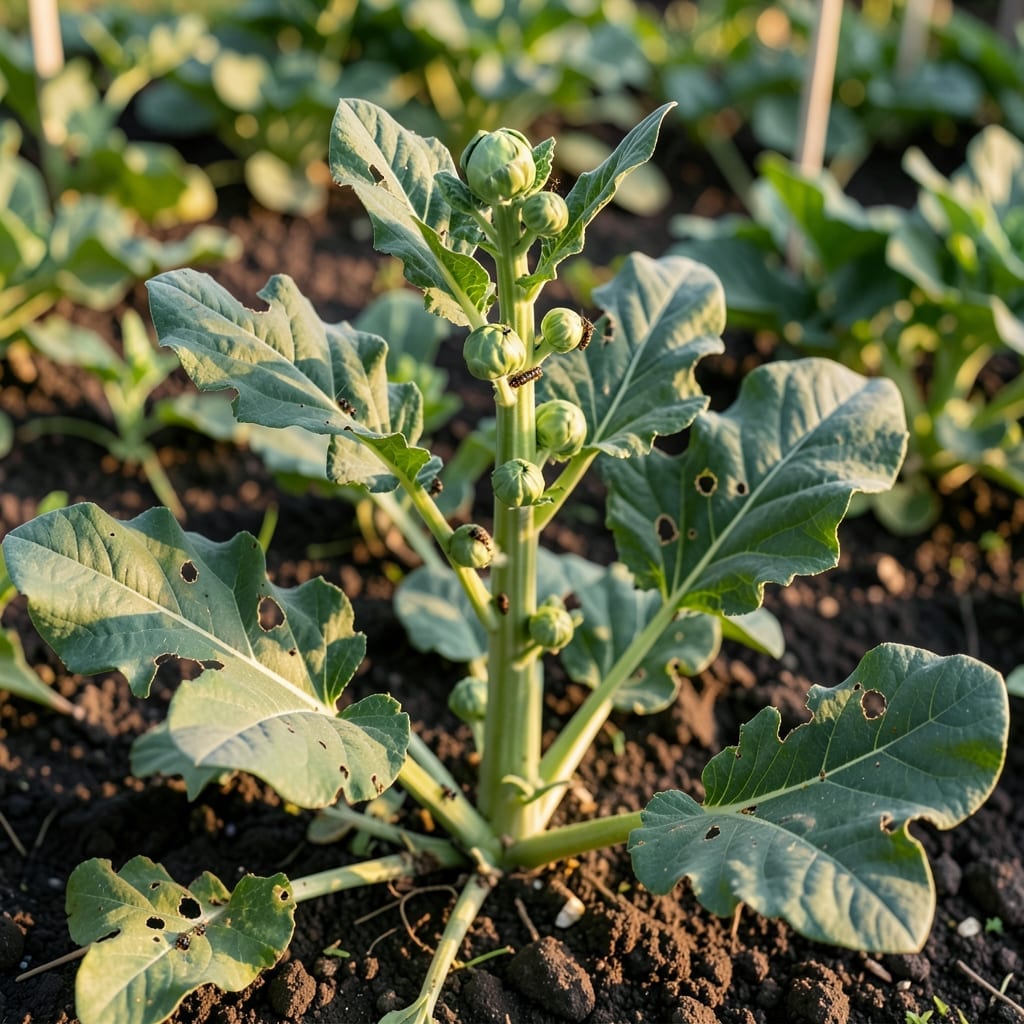
My brussel sprouts were doing great—until they weren’t. One morning, holes in the leaves, chewed stems, and half-eaten sprouts told me pests had moved in overnight.
Early detection is everything with these plants. Aphids cluster on new growth, cabbage worms hide under leaves, and slugs leave silvery trails. I learned the hard way that waiting even a day can mean losing 20% of your crop.
Eco-friendly solutions actually work better than chemicals here. Neem oil, diatomaceous earth, and hand-picking keep the garden safe while targeting pests directly. Companion plants like thyme and mint add another layer of protection.
Prevention starts before planting. Healthy soil, proper spacing, and crop rotation cut pest problems by half before they begin.
Brussels sprouts are a magnet for pests due to a combination of environmental, biological, and cultural factors. Understanding these root causes helps you prevent and manage infestations effectively.
Stressed or weakened plants are more susceptible to pest attacks. Nutrient deficiencies (especially nitrogen or potassium), overwatering, or poor soil drainage can compromise the plant’s natural defenses. Pests like aphids and cabbage worms thrive on plants that lack vigor, as they produce fewer protective compounds.
Brussels sprouts belong to the Brassicaceae family, which emits glucosinolates—compounds that attract specialized pests like cabbage loopers, flea beetles, and root maggots. These pests have co-evolved with cruciferous plants, making Brussels sprouts a prime target in any garden.
Warm, dry weather accelerates the life cycles of many pests, while high humidity fosters fungal growth that weakens plants. Overcrowded plantings reduce airflow, creating a haven for pests like whiteflies and thrips. Additionally, monoculture planting (growing only Brussels sprouts in one area) eliminates natural predators, allowing pest populations to explode.
Leftover plant debris, weeds, and unremoved crop residue provide shelter and breeding grounds for pests. Many insects, such as harlequin bugs, overwinter in garden detritus, emerging in spring to infest new plantings. Fallen leaves and rotting matter also attract slugs and snails, which damage Brussels sprouts at soil level.
Dealing with pests on your brussels sprouts doesn’t have to mean reaching for harsh chemicals. Here’s how to tackle common issues with practical, eco-friendly solutions—and prevent future outbreaks.
Use a strong stream of water to dislodge aphids from leaves. For stubborn infestations, spray with neem oil or insecticidal soap. Prevention tip: 💡 Encourage ladybugs and lacewings, natural aphid predators, by planting companion flowers like marigolds or alyssum.
Create a physical barrier with copper tape around plant beds or use beer traps to lure and drown them. Prevention tip: 🌱 Clear debris and mulch where slugs hide, and water plants in the morning so soil dries by evening.
These pests thrive in dry conditions. Spray plants with water to disrupt their webs, and introduce beneficial mites like Phytoseiulus persimilis. Prevention tip: ✨ Keep soil moist and avoid over-fertilizing, which attracts mites.
Check undersides of leaves for eggs or larvae and remove them by hand. Use floating row covers to block adult butterflies from laying eggs. Prevention tip: 🎯 Plant thyme or mint nearby—their strong scents deter cabbage moths.
Wrap cardboard collars around young stems to block cutworms. Sprinkle food-grade diatomaceous earth around plants for extra defense. Prevention tip: 🌡️ Till the soil in fall to expose and disrupt overwintering larvae.
Consistency is key! Combine these methods with regular inspections to keep your brussels sprouts healthy and pest-free.
Aphids, cabbage worms, and flea beetles top the list. Slugs and snails also cause major damage, especially in damp conditions.
Pests overwinter in garden debris or soil. Without fall cleanup and crop rotation, they return each spring to infest new plants.
Yes! Use floating row covers, plant companions like thyme, and apply diatomaceous earth. Regular inspections catch issues early.
Look for holes in leaves, chewed stems, or silvery slug trails. Yellowing leaves often signal aphid infestations.