
Beautiful Plants For Your Interior
Beautiful Plants For Your Interior
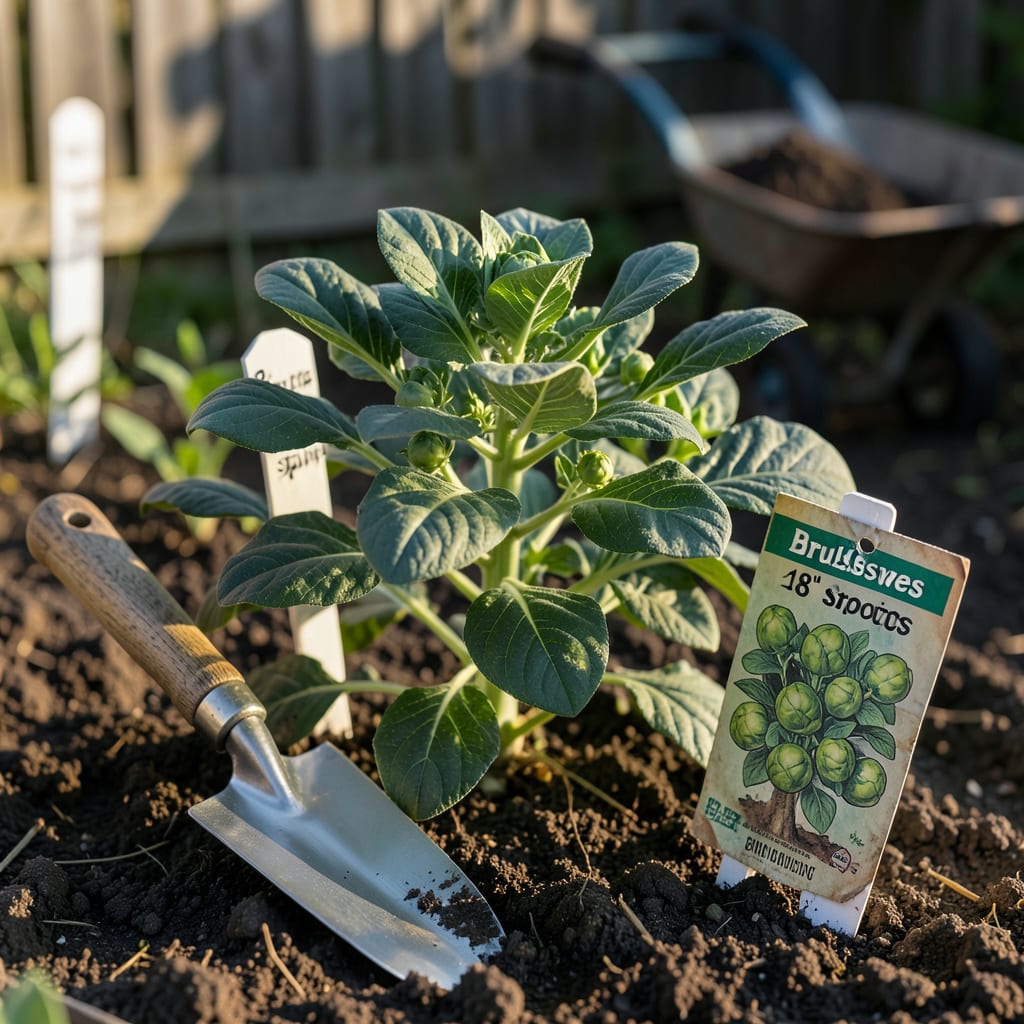
Missouri’s unpredictable swings from scorching summers to sudden frosts make timing everything for Brussels sprouts. Plant too early, and a late frost wipes out your seedlings; wait too long, and summer heat turns your crop bitter before it even forms.
After years of testing in zones 6a-7a, I’ve nailed the precise windows—both spring and fall—that deliver crisp, sweet 🥬 every time. Here’s exactly when to get those seeds in the ground (and why most gardeners miss the mark).
If you’ve ever struggled with Brussel sprouts in Missouri, you know our hot summers and unpredictable frosts can make or break your crop. The secret? Timing your plantings to avoid both extremes. Missouri’s USDA zones 5b–7a mean we’ve got two prime windows: early spring and late summer for fall harvests.
For spring planting, aim to transplant seedlings 4–6 weeks before your last frost—typically mid-April in most of Missouri. But here’s the catch: summer heat (above 80°F) stunts growth, so spring-planted sprouts often mature before peak quality. That’s why most Missouri gardeners swear by the fall crop.
| Season | Planting Window | Transplant Date | Harvest Time | Key Notes |
|---|---|---|---|---|
| Spring | Start indoors Feb–March | Mid-April (after frost) | June–July | Avoid summer heat—harvest early! |
| Fall | Sow seeds June–July | Mid-July–Aug 1 | Oct–Nov | Best for sweet, crisp sprouts after light frost. |
| St. Louis | Adjust 1–2 weeks earlier | Early April or July 10 | May–June or Oct–Dec | Longer season = succession planting possible. |
| Kansas City | Follow standard dates | Mid-April or July 20 | June–July or Nov | Watch for early frosts—use row covers. |
For fall harvests—the star of Missouri’s Brussel sprout season—sow seeds indoors in June or direct-sow in early July. Transplant seedlings by July 20–August 1 to give them 90–100 days to mature before the first frost (around October 15 in most areas). A light frost actually sweetens the sprouts, so don’t rush to cover them!
Missouri’s humidity and clay soils can challenge Brussel sprouts, so prep your beds with compost and ensure good drainage. Space plants 18–24 inches apart in rows 3 feet apart to allow airflow and reduce disease. I’ve found raised beds work wonders in heavy soils—just mix in aged manure or peat moss for looser texture.
Watch the 10-day forecast like a hawk when planting. If nighttime temps dip below 45°F after transplanting, use frost blankets or cloches to protect young plants. Conversely, if a late heatwave hits (common in August), provide afternoon shade with 30% shade cloth to prevent bolting.
Here’s a Missouri-specific trick: Plant near taller crops like corn or sunflowers to provide natural shade during August’s hottest weeks. This mimics the cool coastal climates Brussel sprouts love. Just ensure they still get 6–8 hours of sun daily. I’ve had great success with this setup in my Zone 6b garden near Columbia.
If you’re in southern Missouri (Zone 7a), you can push fall plantings to early August for a December harvest. Northern gardeners (Zone 5b) should stick to July plantings and use row covers to extend the season. Always check your local frost dates—Missouri’s microclimates vary wildly!
For spring-planted sprouts, harvest before temps exceed 75°F to avoid bitter, loose heads. Fall crops, however, thrive in cooling temps. After the first light frost (28–32°F), the sprouts’ sugar content rises, making them sweeter. Just harvest before a hard freeze (25°F) damages the plants.
Remember, Brussel sprouts are heavy feeders. Work in a balanced fertilizer (10-10-10) at planting, then side-dress with compost tea every 3–4 weeks. Missouri’s summer rains can leach nutrients, so I top-dress with worm castings mid-season for an extra boost. Consistent moisture is key—aim for 1–1.5 inches weekly, including rainfall.
Finally, keep an eye out for cabbage worms and aphids, which thrive in Missouri’s humid summers. I swear by floating row covers at planting and neem oil sprays every 10–14 days. Handpick pests early to avoid infestations—trust me, it’s easier than dealing with a full-blown attack!
With these timing tips and Missouri-specific tweaks, you’ll be harvesting plump, sweet sprouts that put grocery store varieties to shame. Next up, let’s dive into how to extend your harvest even further with season-stretching tricks! 🌱
Missouri’s short fall season and sweltering summers can cut your Brussel sprout harvest short—unless you use these season-extending tricks. With the right techniques, I’ve stretched my harvest from October through December, even in Zone 6b. The key? Working with Missouri’s climate, not against it.
Start by choosing early-maturing varieties like ‘Oliver’ (90 days) or ‘Jade Cross’ (85 days) for spring plantings, and cold-hardy types like ‘Long Island Improved’ (100 days) or ‘Diablo’ (110 days) for fall. Pairing fast growers with succession planting—sowing seeds every 2–3 weeks in July—ensures a steady supply instead of a single glut.
Extend fall harvests by 2–4 weeks with floating row covers (1–2 oz fabric). Drape over plants at night when temps dip below 32°F, removing during the day to allow pollinators. In southern Missouri, this can push harvests into early December.
Missouri’s August heatwaves can stunt fall-planted sprouts. Use 30–40% shade cloth from 12–4 PM to reduce stress. Secure cloth 18 inches above plants to allow airflow. Remove it once temps drop below 80°F consistently.
Interplant Brussels sprouts with corn, sunflowers, or trellised beans to create afternoon shade. This mimics their preferred cool coastal climate. In my garden, sprouts planted on the east side of corn thrived while unshaded plants bolted.
Apply 3–4 inches of straw or shredded leaves to keep soil cool in summer and insulated in fall. In clay-heavy soils (common in Missouri), mulch also prevents crusting, which can stunt seedling growth. Replenish mulch after heavy rains.
Pick lower sprouts first (when they’re 1–2 inches wide) to encourage upper growth. Leave the top 4–6 leaves intact to fuel continued production. In mild falls, this can add 2–3 weeks of harvestable sprouts.
Avoid the #1 Missouri mistake: planting during peak summer (June–July). While it’s tempting to sow seeds in June for fall harvests, soil temps above 75°F prevent germination. Instead, start seeds indoors in cool, shaded spots (like a basement under grow lights) and transplant in late July.
For spring-planted sprouts, beat the heat by using white plastic mulch to reflect sunlight and keep roots cool. In my Kansas City garden, this bought an extra 3 weeks before bolting. Pair it with drip irrigation to deliver water directly to roots, reducing evaporation and fungal risks in humid Missouri summers.
Don’t overlook container growing for flexibility. Use 5-gallon buckets or grow bags to move plants into shade during heatwaves or onto porches for frost protection. I’ve grown ‘Prince Marvel’ (a compact variety) successfully in containers on my south-facing patio, moving them indoors during unexpected cold snaps.
Finally, track your microclimate. Missouri’s weather varies dramatically—what works in St. Louis (Zone 6b) may fail in Springfield (Zone 6a). Use a soil thermometer to plant when temps are 50–65°F (ideal for germination) and a rain gauge to supplement water during dry spells. With these tweaks, you’ll outsmart Missouri’s mood swings and enjoy sweeter, crisper sprouts longer than you thought possible! 🌱
Not all Brussel sprouts thrive in Missouri’s humid summers and rollercoaster falls. After testing dozens of varieties in my Zone 6b garden, I’ve narrowed it down to the top performers that handle our clay soil, heat spikes, and early frosts like champs. The best varieties balance days to maturity with cold tolerance—critical for Missouri’s short fall window.
For spring plantings, focus on fast-maturing varieties that beat the heat. ‘Jade Cross Hybrid’ (85 days) and ‘Oliver’ (90 days) are my go-tos—they produce tight, sweet sprouts before June’s heatwave hits. Both resist cabbage worms better than older heirlooms, which is a lifesaver in Missouri’s buggy summers.
| Variety | Days to Maturity | Best For | Cold Tolerance | Missouri Perks |
|---|---|---|---|---|
| Long Island Improved | 90–100 | Fall planting | ⭐⭐⭐⭐⭐ | Handles light frosts; classic flavor |
| Diablo | 110–120 | Late fall | ⭐⭐⭐⭐⭐ | Sweetens after frost; disease-resistant |
| Jade Cross Hybrid | 85–90 | Spring/early fall | ⭐⭐⭐⭐ | Heat-tolerant; compact plants |
| Oliver | 85–90 | Spring | ⭐⭐⭐ | Early harvest; uniform sprouts |
| Prince Marvel | 80–85 | Containers | ⭐⭐⭐ | Dwarf size; great for patios |
For fall harvests, I swear by ‘Long Island Improved’ and ‘Diablo’. Both thrive in Missouri’s cool falls and actually improve in flavor after a light frost. ‘Diablo’ is my secret weapon—its dark green sprouts stay tender even after multiple frosts, and it resists powdery mildew, a common issue in our humid Octobers.
If you’re short on space, ‘Prince Marvel’ is a game-changer. This dwarf variety tops out at 2 feet tall but packs full-sized flavor. I’ve grown it successfully in 5-gallon buckets on my patio, moving it to shade during August heatwaves. It’s also the fastest to mature, making it ideal for succession planting in July and August.
Missouri’s clay soil can stunt Brussel sprouts, so I recommend ‘Bubbles F1’ for heavy soils. Its shallow root system adapts better to compacted ground, and it’s less prone to buttoning (tiny sprouts) when stressed. Pair it with raised beds or amended soil for best results. Always test your soil—Brussel sprouts prefer a pH of 6.0–6.8.
No matter which variety you choose, direct-seed or transplant based on Missouri’s two seasons: April for spring (harvest by July) or July–August for fall (harvest October–November). For organic gardeners, ‘Rubine’ (a red variety) offers stunning color and natural pest resistance, though it needs 120 days to mature—best for southern Missouri’s longer fall.
🌱Use frost blankets or cloches when nighttime temps dip below 45°F. These covers trap heat without smothering plants. Remove them during the day to prevent overheating and allow pollinators access.
Choose 5-gallon containers or larger with drainage holes. Use a mix of potting soil and compost for best results. Dwarf varieties like ‘Prince Marvel’ thrive in pots and can be moved to shade during heatwaves.
Harvest spring-planted sprouts before temperatures exceed 75°F. For fall crops, avoid planting during peak summer heat. Use shade cloth (30-40%) during August afternoons to reduce stress and bitterness.
Planting too late for fall harvests! Many wait until August, but July plantings are ideal. Count backward 90-100 days from your first frost date. Late plantings often get stunted by early cold snaps.
Yes! Southern Missouri (Zone 7a) can plant 1-2 weeks later than northern areas (Zone 5b). St. Louis gardeners often plant early April or July 10, while Kansas City follows standard dates. Always check your local frost dates.
