
Beautiful Plants For Your Interior
Beautiful Plants For Your Interior
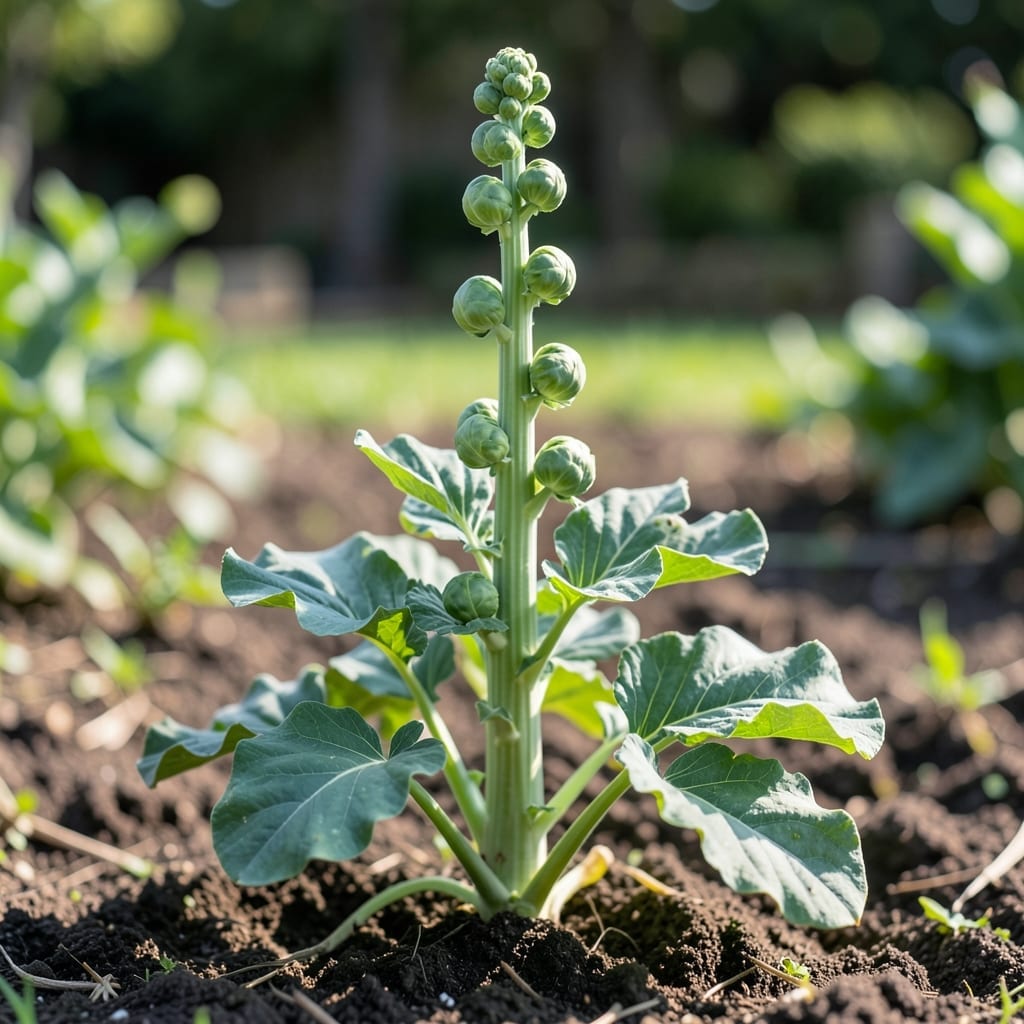
Growing Brussels sprouts in your home garden requires patience and precise timing, as these cool-season vegetables have a uniquely long growing period. Understanding their growth stages is the key to a bountiful harvest.
The 🥬 Brussels Sprouts thrive in USDA zones 3-9, with planting windows from March to April or July to August. This timing ensures they mature during cooler weather, which they prefer.
From seed to harvest, you’re looking at 90-120 days of careful cultivation. Each growth phase, from germination to head formation, plays a crucial role in the final yield.
I’ll walk you through how to optimize this growing time, sharing practical tips to help you enjoy fresh Brussels sprouts from September to February. Let’s get started.
I love growing Brussels sprouts because they’re one of the most rewarding cool-season crops. Their growing time spans 90 to 120 days, depending on the variety and conditions. Patience is key here.
From seed to harvest, these plants go through distinct growth stages. Each phase has its own timeline and care requirements. Let me break it down for you.
| Stage | Duration | Key Actions |
|---|---|---|
| Germination | 7-14 days | Keep soil moist, 65-75°F |
| Vegetative Growth | 60-80 days | Thin seedlings, fertilize lightly |
| Head Formation | 30-40 days | Support tall stalks, water deeply |
| Harvest | 20-30 days | Pick sprouts from bottom up |
The germination stage is all about warmth and moisture. I always use a seed-starting mix and keep the soil consistently damp. A heat mat can speed things up.
Once sprouts appear, the vegetative growth phase begins. This is when the plant focuses on leaf and stem development. I thin my seedlings to 18-24 inches apart to prevent crowding.
During head formation, the magic happens. Those tiny buds start to form along the stem. I
The harvest period is the most exciting part. I start picking when the sprouts are 1-2 inches in diameter and firm to the touch. Always harvest from the bottom up.
I’ve found that cool temperatures actually improve the flavor. A light frost can make them sweeter. Just be sure to harvest before a hard freeze.
Remember, the total growing time can vary. Early varieties may be ready in 90 days, while others take up to 120 days. Check your seed packet for specifics.
For the best results, I recommend starting seeds indoors 6-8 weeks before your last frost date. This gives them a head start before transplanting outdoors.
I’ve found that Brussels sprouts thrive when planted at the right time for your USDA zone. In cooler areas like Zone 3-5, start seeds indoors 6-8 weeks before the last frost for a summer harvest. This gives them a head start before the heat arrives
For warmer regions in Zone 7-9, I recommend a fall planting. Direct sow seeds in July or August to avoid the summer heat, which can stunt growth. This timing ensures sprouts mature during the cooler fall months
I always remind gardeners that frost tolerance is a Brussels sprout superpower. These plants can handle light frosts, which actually improve flavor. In fact, a light frost can make sprouts sweeter by reducing bitterness
If you’re in a region with mild winters, try succession planting. Sow a new batch every 2-3 weeks from late summer to early fall. This extends your harvest window significantly
For container gardeners, remember that pots can dry out faster. I suggest checking soil moisture daily during hot spells and moving containers to shadier spots if temps exceed 80°F
Lastly, don’t forget that daylight hours affect growth. Brussels sprouts need 6-8 hours of sun daily. In shorter-day regions, this might mean adjusting your planting schedule to ensure they get enough light before days get too short