
Beautiful Plants For Your Interior
Beautiful Plants For Your Interior
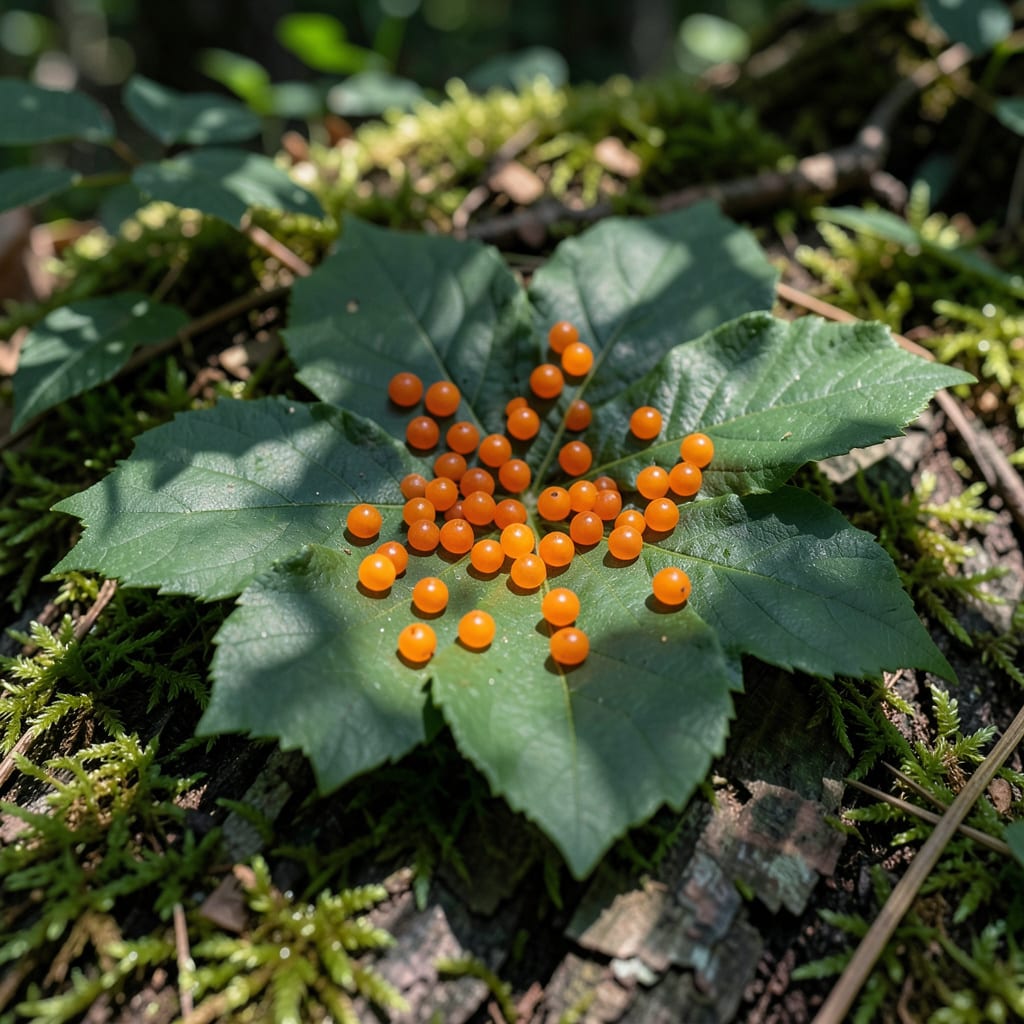
Spotted tiny orange dots on your leaves? That’s trouble brewing. 🌿 I first noticed them on my roses last summer—turns out they were harlequin bug eggs, and they hatch fast if you don’t act.
These pests target brassicas and ornamentals, sucking plant juices and stunting growth. Left unchecked, a single cluster can multiply into an infestation that wipes out weeks of growth in days.
Here’s the thing—organic removal works if you catch it early. A simple soap spray or manual removal stops them before they spread. No harsh chemicals needed.
Works for most leafy plants and keeps your garden safe and chemical-free. Let’s tackle this before it’s too late.
Orange insect eggs on leaves are a common sight in gardens, and they often signal an infestation in the making. Understanding why these eggs appear helps you address the root of the problem. Below are the most common causes, each tied to specific pests and environmental conditions.
Many insects, such as lace bugs, spider mites, and harlequin bugs, lay orange or copper-colored eggs as part of their reproductive cycle. These pests choose the undersides of leaves to protect their offspring from predators and harsh weather. The eggs hatch within days to weeks, depending on temperature and humidity, leading to a new generation of plant-feeding insects.
Warm, dry climates accelerate insect reproduction, making your plants a prime target. High temperatures (above 80°F) and low humidity create stress for plants while providing an optimal environment for pests like Neurocolpus nubilus (a type of lace bug) to thrive. Overwatering or poor drainage can also attract moisture-loving pests that lay distinctive orange eggs.
Weak or stressed plants are more susceptible to infestations. Factors like nutrient deficiencies, drought, or physical damage (e.g., pruning wounds) emit signals that attract egg-laying insects. For example, azaleas and Pieris plants often fall victim to lace bug eggs when their health is compromised. Regularly inspecting leaves for early signs of stress can prevent outbreaks.
Spotting orange insect eggs on leaves means it’s time to act fast. Below are targeted fixes for common causes, plus prevention tips to keep your plants safe and thriving.
If you catch the eggs early, hand-picking is the simplest solution. Use tweezers or a damp cloth to gently wipe them off leaves. Drop the eggs into a bucket of soapy water to ensure they don’t hatch. Pro tip 💡: Check the undersides of leaves—this is where pests often lay their eggs.
For larger areas, mix 1 teaspoon of mild dish soap with 1 quart of water and spray directly onto the eggs. The soap breaks down their protective coating, causing them to dry out. Neem oil (mixed with water and a few drops of soap) is another great option—it disrupts the eggs’ development and repels future pests. Reapply every 5-7 days for best results.
Introduce natural predators like ladybugs, lacewings, or parasitic wasps to your garden. These insects feed on pest eggs and larvae, keeping populations in check. Planting dill, fennel, or marigolds can attract these helpful allies. Pro tip ✨: Avoid broad-spectrum pesticides—they harm beneficial insects too!
Keep your garden clean to discourage pests from laying eggs. Remove fallen leaves, weeds, and plant debris where insects might hide. Rotate crops annually to disrupt pest life cycles, and inspect new plants before bringing them home. A little maintenance goes a long way in preventing future outbreaks!
Lace bugs, spider mites, and harlequin bugs are the most common culprits. These pests target leaf undersides to protect their offspring from predators and weather.
Eggs typically hatch within 3-7 days depending on temperature and humidity. Warmer conditions speed up the process, so act fast to prevent infestations.
No, a mild solution of 1 teaspoon dish soap per 1 quart water is safe for most plants. Test on a small area first to check for sensitivity.
Remove plant debris, rotate crops, and introduce beneficial insects like ladybugs. Regular leaf inspections catch problems early.
