
Beautiful Plants For Your Interior
Beautiful Plants For Your Interior
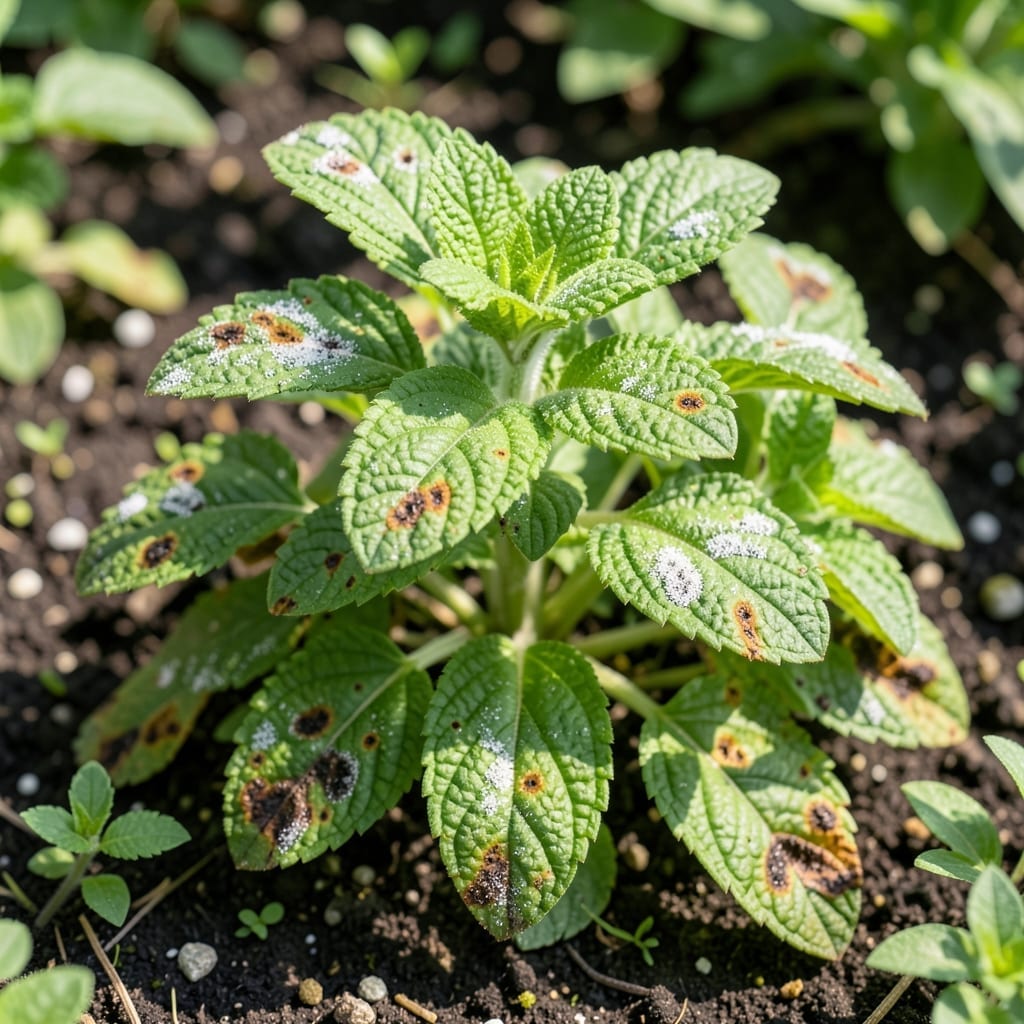
Peppermint plants don’t stay lush and fragrant on their own. Early detection makes all the difference between a thriving patch and a wilted mess.
I’ve lost entire rows to rust and powdery mildew by missing the first warning signs. Yellowing leaves, black spots, or white powder aren’t just ugly—they’re SOS signals.
Organic treatments work, but timing is everything. Neem oil, baking soda sprays, and better airflow can save your plants if you act fast. Prevention beats cure every time.
This approach keeps your mint healthy without chemicals. No guesswork, just reliable results season after season.
Peppermint plants, though hardy, can fall victim to diseases due to several environmental and biological factors. Understanding these causes is key to prevention and treatment.
Overwatering or poorly drained soil creates a breeding ground for Phytophthora root rot and fungal infections like Verticillium wilt. Peppermint thrives in moist but not waterlogged conditions. Saturated soil suffocates roots, reducing oxygen uptake and making the plant more susceptible to pathogens.
Fungi such as Puccinia menthae (rust) and bacteria like Pseudomonas syringae exploit weakened plants. These pathogens spread through spores or contaminated tools, entering via wounds or stomata. High humidity and crowded plantings accelerate their growth.
Pests like aphids, spider mites, and whiteflies weaken peppermint by feeding on sap, creating entry points for viruses (e.g., mint virus X). Their honeydew also promotes sooty mold, a secondary fungal issue.
Extreme temperatures, inadequate sunlight, or nutrient deficiencies (e.g., nitrogen or potassium) stress the plant, lowering its immunity. Heat stress, for instance, can trigger powdery mildew outbreaks, while cold snaps may cause leaf blight.
Improper pH (peppermint prefers 6.0–7.0) or nutrient excesses (e.g., too much nitrogen) disrupt the plant’s natural defenses. Compacted or clay-heavy soil further restricts root health, inviting disease.
Addressing these triggers—through proper watering, sanitation, and soil care—can significantly reduce disease risk.
When your peppermint plant shows signs of disease, quick and targeted action can save it. Below are practical fixes for common issues, along with prevention tips to keep your plants thriving.
Remove infected leaves immediately to stop the spread. Treat the plant with a baking soda solution (1 tsp baking soda, 1 quart water, and a few drops of dish soap). Spray weekly until the issue clears.
Prevention tip: 💡 Space plants 18–24 inches apart for better airflow. Water at the base to keep leaves dry.
For aphids or spider mites, spray plants with neem oil or a soapy water mix (1 tsp mild soap per 1 liter of water). Repeat every 3–4 days until pests are gone.
Prevention tip: ✨ Introduce beneficial insects like ladybugs. Inspect plants regularly for early signs of pests.
Stop watering immediately and let the soil dry out. Trim black, mushy roots and repot the plant in fresh, well-draining soil. Use a pot with drainage holes to prevent waterlogging.
Prevention tip: 🌡️ Water only when the top inch of soil is dry. Avoid overwatering, especially in cool weather.
Prune affected leaves and dispose of them (do not compost). Apply a copper fungicide or a garlic spray (blend 2 garlic cloves with 1 liter of water, strain, and spray) to prevent further spread.
Prevention tip: 🎯 Avoid overhead watering. Keep the garden clean to reduce fungal spores.
Look for yellowing leaves, black or brown spots, or white powdery residue. Wilting despite moist soil often signals root rot.
Yes, if caught early. Stop watering, trim affected roots, and repot in fresh, well-draining soil. Avoid overwatering going forward.
A baking soda spray (1 tsp baking soda, 1 quart water, dish soap) works well. Apply weekly and improve airflow around plants.
Yes, pests like aphids weaken plants and spread viruses. Use neem oil or soapy water sprays to control infestations.