
Beautiful Plants For Your Interior
Beautiful Plants For Your Interior
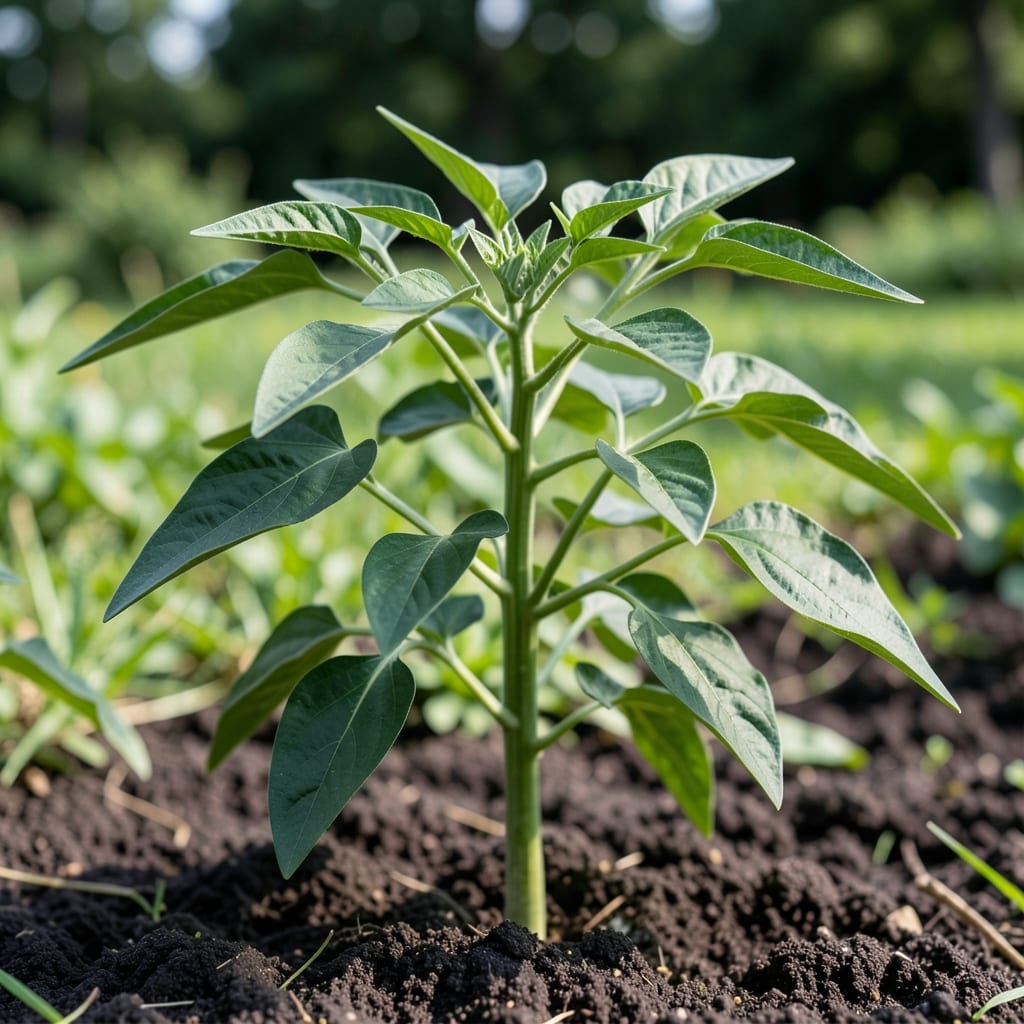
Those first tiny pepper leaves reveal everything about your seedlings’ health. I’ve learned to spot trouble before it spreads—yellow edges, brown spots, or wilting often appear days before the whole plant suffers.
Most issues come from simple mistakes: overwatering, poor light, or soil that’s too dense. Pepper seedlings are tough but they need consistent moisture, 12-14 hours of light daily, and good airflow to stay strong.
Catching problems early means a quick fix instead of lost plants. A little observation now saves weeks of frustration later, and your reward is stocky, dark-green seedlings ready for transplanting.
Works for all pepper varieties, from sweet bells to fiery habaneros. Here’s what to watch for and how to respond.
Understanding why your pepper seedling leaves are struggling is the first step to saving your plants. Here are the most common causes, broken down for clarity:
Peppers are heat-loving plants, but extremes can harm them. Seedlings exposed to temperatures below 55°F (13°C) or above 90°F (32°C) may develop stunted, discolored, or curling leaves. Cold stress slows metabolic processes, while heat stress accelerates water loss, leading to wilting or leaf drop.
Inconsistent moisture is a leading cause of leaf issues. Overwatering suffocates roots, reducing oxygen uptake and causing yellowing (chlorosis) or mushy leaves. Meanwhile, underwatering leads to dry, crispy edges as the plant conserves water. Aim for soil that’s moist but not soggy—stick your finger an inch deep to check.
Peppers need a balanced diet. Nitrogen deficiency turns older leaves yellow (starting at the tips), while magnesium deficiency causes yellowing between leaf veins. A lack of calcium triggers distorted new growth or blossom end rot in later stages. Use a balanced, water-soluble fertilizer (e.g., 10-10-10) and consider Epsom salt for magnesium.
Tiny invaders like aphids, spider mites, or whiteflies sap nutrients from leaves, causing speckling, curling, or sticky residue (honeydew). Check leaf undersides for pests or webbing. A strong blast of water or neem oil spray can disrupt their lifecycle without harsh chemicals.
Damp conditions invite pathogens like Pythium (damping-off) or Xanthomonas (bacterial leaf spot). Damping-off causes seedlings to topple at the base, while bacterial spots create water-soaked lesions. Improve airflow, avoid overhead watering, and remove infected plants to prevent spread.
If your pepper seedlings are showing troubled leaves, don’t panic—most problems have simple fixes. Below are practical solutions for the most common issues, along with prevention tips to keep your plants thriving.
Fix: Test your soil’s pH (aim for 6.0–6.8). Amend with compost or a balanced fertilizer (10-10-10). For nitrogen deficiency, use fish emulsion or blood meal.
Prevent: Start with nutrient-rich potting mix and fertilize lightly every 2 weeks.
Fix: Check soil moisture—water only when the top inch is dry. If overwatered, let soil dry out and improve drainage with perlite.
Prevent: Use pots with drainage holes and a consistent watering schedule (early morning is best).
Fix: Spray leaves with neem oil or insecticidal soap to deter aphids, slugs, or caterpillars. Pick off pests by hand if visible.
Prevent: Keep seedlings indoors or under row covers until sturdy. Companion plant with basil or marigolds to repel pests.
Fix: Remove affected leaves immediately. Treat with copper fungicide or a baking soda spray (1 tsp baking soda + 1 quart water + a drop of soap).
Prevent: Avoid overhead watering, space seedlings for airflow, and sterilize tools between uses.
Fix: Move seedlings to a stable environment (70–80°F daytime, 60–70°F nighttime). Use a heat mat if indoors.
Prevent: Harden off seedlings gradually before transplanting and avoid sudden temperature swings.
💡 Pro Tip: Healthy seedlings start with clean, high-quality seeds and sterile soil. Always rotate crops yearly to prevent disease buildup!
Yellowing often signals a nitrogen deficiency or overwatering. Check your soil’s moisture and consider a balanced fertilizer. Older leaves turning yellow first usually means the plant needs more nitrogen.
Leaf curling typically results from temperature stress. Keep seedlings at 70-80°F during the day and avoid cold drafts. Consistent temperatures prevent this common issue.
Act quickly! Remove affected leaves and treat with copper fungicide. Brown spots often indicate fungal or bacterial issues. Improve airflow and avoid wetting leaves when watering.
Provide 12-14 hours of bright, indirect light daily. A south-facing window or grow lights work well. Insufficient light causes leggy seedlings with pale leaves.