
Beautiful Plants For Your Interior
Beautiful Plants For Your Interior
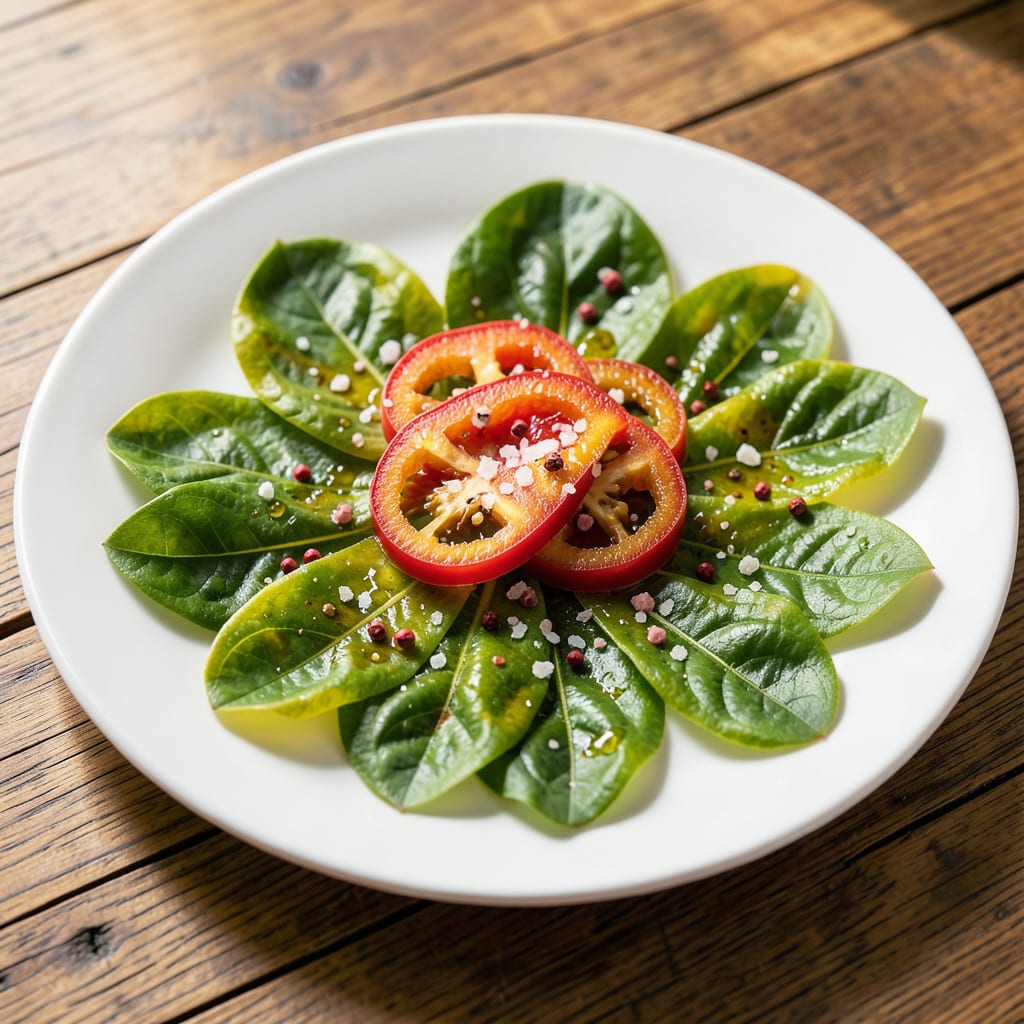
First leaves on bell pepper seedlings signal the start of something special. I’ve learned that these early cotyledons aren’t just cute—they’re your first clue that roots are establishing and growth is on track.
Watch for true leaves next, which mean your seedlings are ready for more light and a gentle feeding. Healthy early growth sets the stage for strong plants that will eventually produce vibrant peppers.
📚 In This Guide
Here’s how to recognize and nurture those all-important early growth signs for strong, thriving seedlings.
The first leaves you’ll see on a bell pepper seedling aren’t true leaves at all—they’re cotyledons, or seed leaves. These appear as two small, rounded, and often slightly heart-shaped leaves that emerge when the seedling first breaks through the soil. They’re typically pale green to yellowish and look almost waxy.
Don’t confuse these with the true leaves, which come later. Cotyledons provide initial nourishment but won’t resemble the mature foliage. If they look shriveled or discolored, your seedling may need more consistent moisture or better light.
After the cotyledons, the first true leaves will appear in 7-14 days, depending on temperature and light conditions. These leaves are smaller, more pointed, and have a deeper green color. They’ll grow in pairs, opposite each other on the stem, and start to show the classic pepper leaf shape—slightly elongated with a smooth edge.
At this stage, your seedling is transitioning from relying on the seed’s stored energy to producing its own through photosynthesis. If the true leaves look stunted or pale, it’s a sign of insufficient light or nutrients. I’ve found that a full-spectrum grow light positioned 2-4 inches above the seedlings works wonders for healthy development.
Bell pepper seedlings thrive in 70-80°F during the day and 60-65°F at night. If the temperature drops too low, growth slows, and the first leaves may appear weak or leggy. Keep your seedlings in a warm spot, away from drafts or cold windowsills.
Light is just as critical. If your seedlings are stretching toward the light source, it means they’re not getting enough. Rotate the tray daily to ensure even growth. You’ll know light is sufficient when the true leaves are compact, deep green, and growing symmetrically on both sides of the stem.
At the first true leaf stage, your seedlings need consistent moisture but never soggy soil. Water when the top inch of soil feels dry, using a gentle spray to avoid dislodging the delicate roots. Overwatering can lead to damping-off, a fungal disease that causes seedlings to collapse overnight.
Once the second set of true leaves appears, it’s time to start fertilizing. Use a diluted, balanced liquid fertilizer (half the recommended strength) every 10-14 days. This encourages robust growth and helps the seedlings develop the strong stems needed for transplanting later on.
Watch for yellowing or browning on the edges of the leaves, which can signal nutrient deficiencies or over-fertilization. Adjust your care routine accordingly to keep those first leaves—and the entire seedling—healthy and vibrant.
These small but critical adjustments will help you spot and nurture early growth stages with confidence.
Light Positioning: In Step 3, keep that full-spectrum grow light precisely 2-4 inches above the seedlings. I learned the hard way that even an inch further away can cause those first true leaves to stretch unnaturally. Rotate daily as instructed—this prevents lopsided growth that weakens stems.
Temperature Sweet Spot: Maintain 70-80°F during the day and 60-65°F at night. A heating mat can help if your space runs cool. If leaves appear weak or leggy, check your thermometer first—this is almost always a temperature issue before it’s a light problem.
Moisture Monitoring: The top inch of soil test in Step 4 is your best guide. Here’s what nobody tells you—bell pepper seedlings hate wet feet. Use a spray bottle for gentle watering, and always check soil moisture in the morning when plants are most active.
Fertilizer Timing: Wait for that second set of true leaves before starting the 10-14 day fertilizer schedule. Jumping the gun with nutrients can burn delicate roots. When you do begin, halving the recommended strength is non-negotiable for healthy development.
Bell pepper seedlings typically develop their first true leaves (not cotyledons) about 2-3 weeks after germination, depending on light, warmth, and soil quality.
Yellowing leaves often signal overwatering, nutrient deficiencies, or poor drainage. Check soil moisture and ensure proper light exposure to revive them.
While not toxic, the first leaves are tough and bitter. It’s best to let the plant mature; harvest the fruit instead for the best flavor and yield.
Provide consistent warmth (70-80°F), 12-16 hours of light daily, and well-draining soil. Avoid overwatering to promote strong, vibrant growth.
