
Beautiful Plants For Your Interior
Beautiful Plants For Your Interior
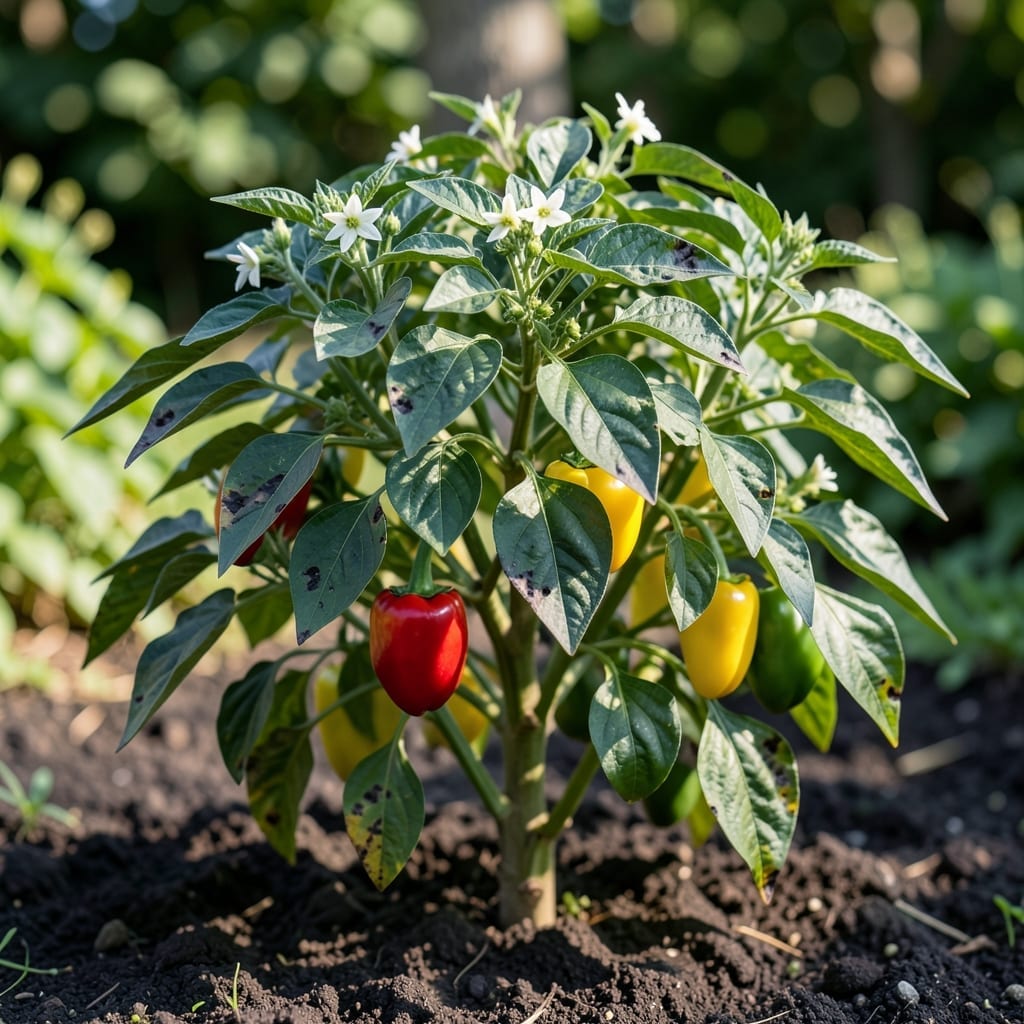
Black leaves on pepper plants hit me hard last July. I’d checked the soil moisture with my finger that morning, like always, and thought everything was fine.
Turns out, overwatering isn’t the only culprit—underwatering, pests, or even too much fertilizer can turn those vibrant green leaves dark overnight. The garden journal helped me spot the pattern.
We’ve saved countless pepper plants by first diagnosing the real issue, then applying the right organic fix. No guesswork, just targeted solutions that actually work.
Here’s how to bring your plants back from the brink without harsh chemicals.
Black leaves on pepper plants are a distress signal, often tied to environmental stress or disease. Below are the most common causes, explained with actionable insights.
Excess moisture suffocates roots, cutting off oxygen and promoting Phytophthora or Pythium fungi. These pathogens rot roots, blocking nutrient uptake and turning foliage black. Fix: Use well-draining soil, water only when the top inch is dry, and ensure pots have drainage holes.
Peppers thrive in 70–85°F (21–29°C). Frost or heat above 90°F (32°C) damages cells, causing necrosis (tissue death) that appears as black patches. Fix: Use row covers for cold snaps and shade cloth for heatwaves.
Calcium or magnesium deficiency triggers blossom end rot-like symptoms, including blackened leaf edges. Over-fertilization (especially nitrogen) can also burn roots, leading to blackening. Fix: Test soil; amend with compost or a balanced fertilizer (10-10-10).
Xanthomonas bacteria create water-soaked spots that turn black and crisp. Spread via splashing water, it thrives in humid conditions. Fix: Remove infected leaves, avoid overhead watering, and apply copper-based bactericides.
Harsh chemicals (e.g., glyphosate drift) scorch leaves, leaving black, brittle patches. Fix: Rinse plants immediately with water; use organic sprays (neem oil) and apply in early morning to reduce evaporation stress.
If your pepper plants are sporting black leaves, don’t panic—these fixes can nurse them back to health. Below are targeted solutions for the most common causes, along with prevention tips to keep your plants thriving.
Fix: Let the soil dry out slightly between waterings. If the pot lacks drainage holes, repot your pepper plant into a container with proper drainage. For garden beds, amend heavy soil with compost or perlite to improve drainage.
Prevention tip: 💡 Stick your finger an inch into the soil—if it feels damp, hold off on watering. Use well-draining potting mixes for container plants.
Fix: Remove infected leaves immediately to prevent spread. Treat the plant with a copper-based fungicide or a homemade mix of 1 teaspoon baking soda, 1 quart of water, and a few drops of dish soap. Spray every 5–7 days until the issue resolves.
Prevention tip: 🌡️ Avoid overhead watering—direct water to the base of the plant. Space plants properly for airflow, and clean up garden debris to reduce fungal spores.
Fix: Flush the soil with water to remove excess salts if you suspect over-fertilizing. For deficiencies, use a balanced, water-soluble fertilizer (10-10-10) or organic options like compost tea. Yellowing with black spots often signals a phosphorus or potassium deficiency.
Prevention tip: ✨ Test your soil before fertilizing. Follow package instructions for fertilizer amounts, and avoid overfeeding—peppers prefer moderate nutrition.
Fix: Spray plants with neem oil or insecticidal soap, focusing on the undersides of leaves where pests hide. For severe infestations, introduce beneficial insects like ladybugs.
Prevention tip: 🎯 Regularly inspect leaves for early signs of pests. Companion planting with basil or marigolds can deter common pepper pests.
Fix: Move potted peppers indoors or to a sheltered area if temperatures drop below 50°F (10°C). For garden plants, cover them with frost cloth or a DIY cloche (e.g., a clear plastic bottle with the bottom cut off).
Prevention tip: 🌡️ Plant peppers after the last frost date in your region. Use row covers early in the season to protect from unexpected cold snaps.
Yes! Soggy soil suffocates roots, blocking oxygen and nutrient uptake. This stress turns leaves black as they die from the inside out. Always check soil moisture with your finger before watering.
Unfortunately, no. Once leaves turn black from necrosis, the damage is permanent. However, new healthy growth will emerge if you fix the underlying issue. Remove the blackened leaves to redirect energy.
Avoid overhead watering and space plants for good airflow. Remove infected leaves immediately and treat with copper fungicide. Always clean garden tools to prevent spreading bacteria.
Temperatures below 50°F can shock pepper plants, causing cell damage that appears as black patches. Use row covers or move potted plants indoors during cold snaps.