
Beautiful Plants For Your Interior
Beautiful Plants For Your Interior
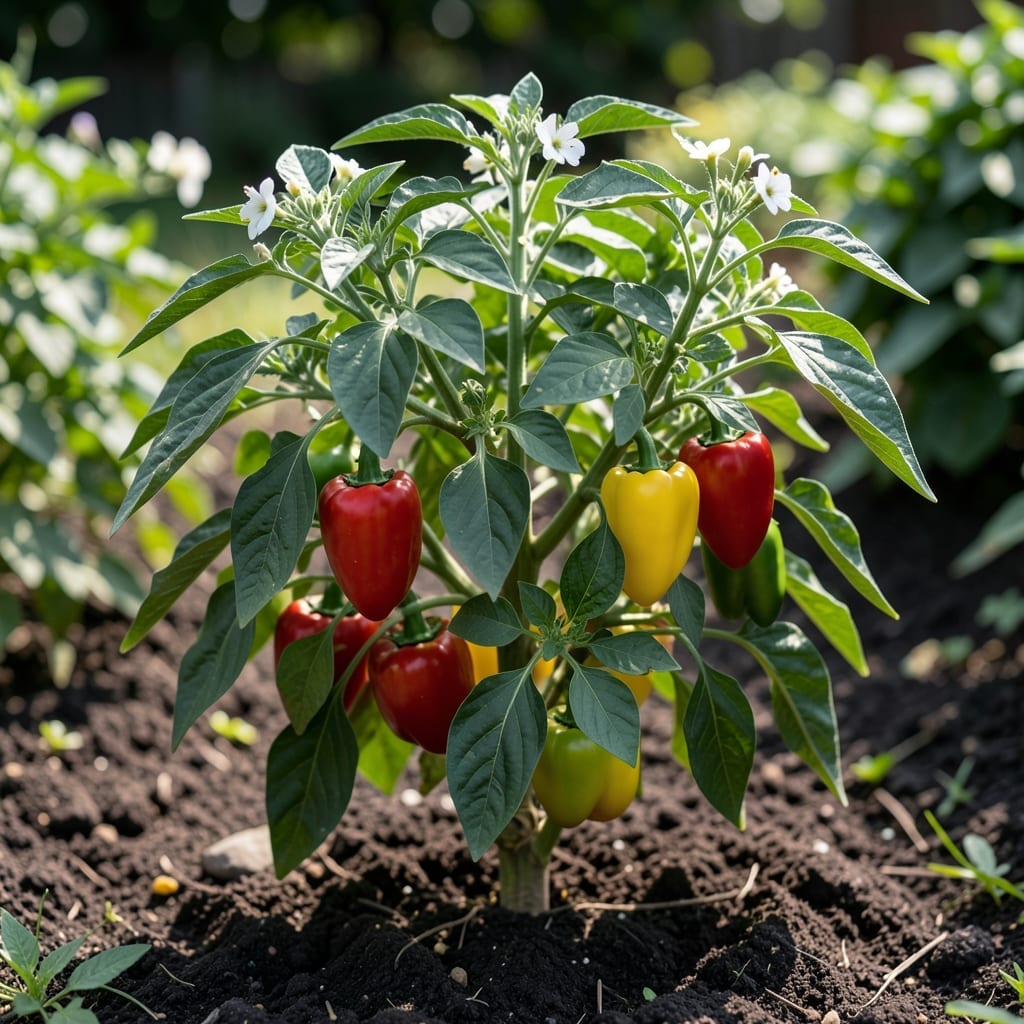
First time I saw pepper leaves curling upward, I panicked. Turns out it’s usually an easy fix once you know what to look for.
Most often it’s environmental stress—too much heat, uneven watering, or a sudden temperature swing. Sometimes pests or disease play a role, but the plant usually shows other signs first.
With a few adjustments to your care routine, those leaves will flatten out within 24-48 hours. The key is catching it early before the stress affects fruit production.
Works for bell peppers, jalapeños, and every variety in between. Here’s how to diagnose and fix it fast.
Pepper plant leaves curling upward often signals an underlying stressor. Below are the most common causes, explained with actionable insights.
When temperatures soar above 90°F (32°C), pepper plants respond by curling their leaves to reduce surface area and minimize water loss. This is a survival mechanism called thermonasty. If left unchecked, prolonged heat can scorch leaves and stunt growth.
Underwatering causes leaves to curl upward as the plant conserves moisture. The soil will feel dry and crusty. Conversely, overwatering leads to root rot, which disrupts nutrient uptake, forcing leaves to curl from stress. Check the soil: it should be moist but not soggy.
Pests like aphids, whiteflies, or spider mites suck sap from leaves, causing dehydration and upward curling. Inspect the undersides of leaves for tiny insects or webbing. These pests also excrete honeydew, which attracts sooty mold, compounding the problem.
A lack of magnesium, calcium, or potassium can trigger leaf curling. For example, magnesium deficiency often appears as yellowing between leaf veins, while calcium deficiency causes new leaves to curl and deform. A balanced fertilizer can help correct these imbalances.
Low humidity or strong winds can dehydrate pepper plants, prompting leaf curling. Similarly, transplant shock or sudden changes in light exposure (e.g., moving from shade to full sun) can stress the plant, leading to temporary curling as it adjusts.
Address the issue quickly with these targeted solutions for each common cause of upward leaf curl in pepper plants.
Move potted plants to a shadier spot during peak afternoon sun (11 AM–3 PM). For in-ground plants, use shade cloth (30–50%) to filter intense light. Ensure consistent watering—deep soak the soil 2–3 times a week rather than light daily sprinkles. Mulch with straw or wood chips to retain moisture and cool roots.
Prevention tip: 💡 Plant peppers in areas with morning sun and afternoon shade in hot climates.
Check soil moisture by sticking your finger 2 inches deep—if dry, water thoroughly at the base (avoid wetting leaves). Use a drip irrigation system or soaker hose for even hydration. Group plants with similar water needs to simplify care.
Prevention tip: ✨ Apply a layer of organic mulch to reduce evaporation and keep soil evenly moist.
Spray leaves with a strong jet of water to dislodge pests. For stubborn infestations, use neem oil or insecticidal soap (apply in the evening to avoid sunburn). Introduce beneficial insects like ladybugs or lacewings for natural control.
Prevention tip: 🎯 Regularly inspect undersides of leaves and prune heavily infested areas to stop spread.
For calcium deficiency (new leaves curl), add crushed eggshells to soil or use a calcium-rich fertilizer. For magnesium deficiency (yellowing between veins), apply Epsom salt solution (1 tbsp per gallon of water) as a foliar spray or soil drench.
Prevention tip: 🌱 Test soil annually and amend with compost or balanced organic fertilizer before planting.
Flush the soil with water to leach excess salts. Stop fertilizing for 2–3 weeks and resume with a half-strength balanced fertilizer. Avoid high-nitrogen feeds, which can promote leafy growth at the expense of fruiting.
Prevention tip: 🔥 Follow label instructions exactly—more isn’t always better!
Most leaves flatten out within 24-48 hours once the stressor is removed. Severe cases may take 3-5 days for full recovery.
Yes, excess fertilizer creates salt buildup that dehydrates roots. Flush soil with water and pause feeding for 2-3 weeks to correct it.
Only prune leaves that are severely damaged or diseased. Minor curling leaves can recover and still photosynthesize.
Temporary curling won’t harm yield, but prolonged stress can reduce fruit size or delay ripening. Address issues quickly.