
Beautiful Plants For Your Interior
Beautiful Plants For Your Interior
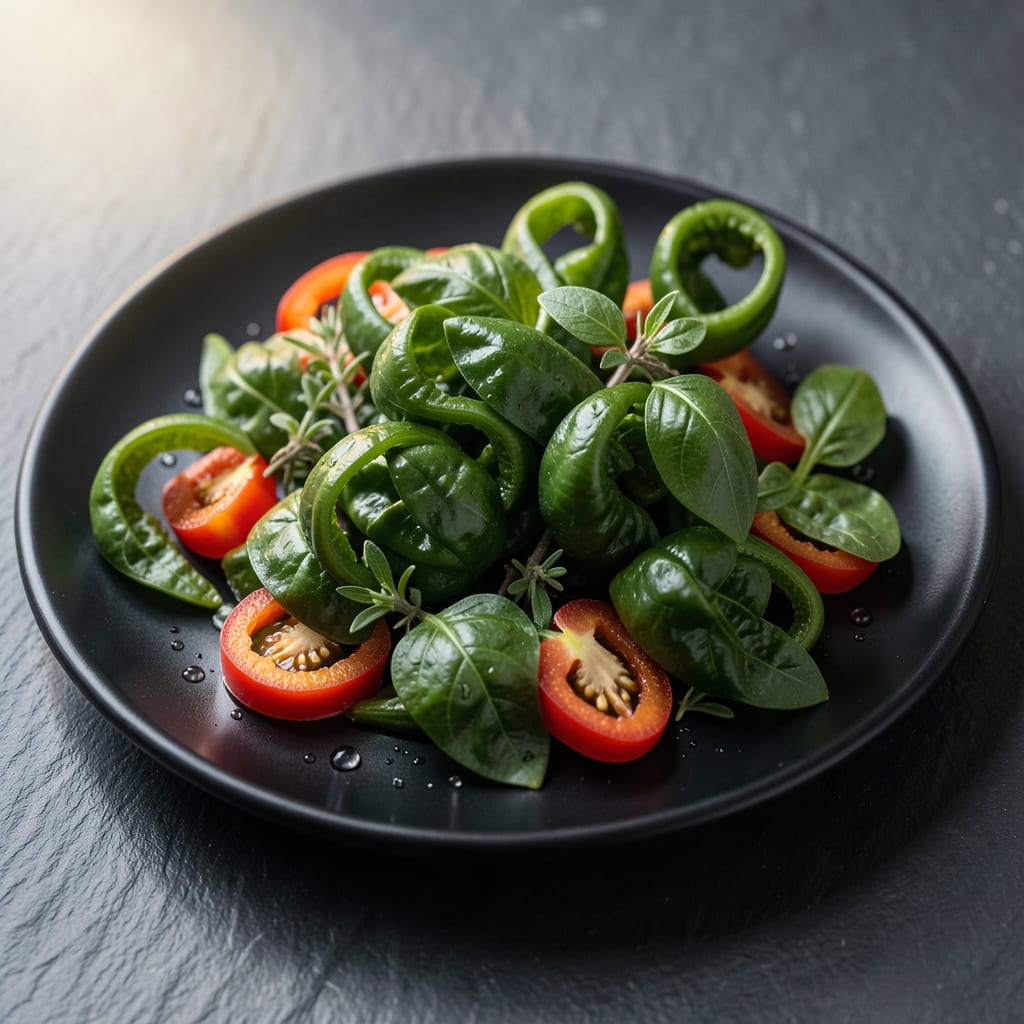
Your pepper leaves aren’t doomed—this is fixable. I’ve nursed curled-up plants back to health more times than I can count, and the solution is almost always simpler than you think.
Most curling comes down to three usual suspects: thirsty roots, too much sun, or unwelcome pests. The good news? Each has a clear fix you can start today. I once lost half my crop before realizing my watering schedule was the culprit.
Within 24-48 hours of the right care, you’ll see leaves unfurling and plants perking up. The key is acting fast before stress becomes permanent damage.
Works for all pepper varieties, from bell to jalapeño. Here’s exactly what to check first.
Pepper leaves curling up is often your plant’s way of signaling distress. Below are the most common causes, each with clear, actionable explanations to help you diagnose the issue.
Peppers thrive in warm conditions, but excessive heat (above 90°F/32°C) or inconsistent watering can cause leaves to curl as a protective measure. Heat stress triggers transpiration overload, where the plant loses water faster than it can absorb it, leading to wilting and curling. Similarly, overwatering or underwatering disrupts root function, preventing proper nutrient uptake. Check soil moisture 1–2 inches deep—it should feel slightly damp, not soggy or bone-dry.
Sap-sucking pests like aphids, spider mites, or whiteflies drain essential fluids from leaves, causing them to curl as cells collapse. Look for sticky residue (honeydew) or tiny webs under leaves. These pests also spread viruses (e.g., curly top virus), which distort new growth. Inspect leaves weekly, especially the undersides, and treat with neem oil or insecticidal soap at first signs.
Strong winds or low humidity can desiccate leaves, prompting curling to reduce surface area and conserve moisture. Peppers prefer 40–60% humidity. If growing indoors or in arid climates, use a humidifier or mist leaves lightly in the morning. Additionally, cold drafts (below 55°F/13°C) shock the plant, disrupting cellular function and causing upward curling.
A lack of magnesium, calcium, or potassium can manifest as curled leaves. For example, magnesium deficiency (common in sandy soils) causes interveinal chlorosis (yellowing between veins) alongside curling. Test your soil and amend with Epsom salt (magnesium) or crushed eggshells (calcium) as needed. Avoid over-fertilizing with nitrogen, which can promote leafy growth at the expense of fruit and overall plant health.
Here’s how to tackle each common cause of curling pepper leaves with simple, actionable fixes—and ways to prevent a repeat.
Fix: Move potted peppers to shade during peak sun (11 AM–3 PM) or use shade cloth for in-ground plants. If nights dip below 50°F, cover plants with frost cloth or bring containers indoors.
Prevent: Plant in a spot with morning sun and afternoon shade. Use mulch to regulate soil temperature.
Fix: Check soil moisture 1 inch down—dry? Water deeply until it drains from the bottom. Soggy? Stop watering and let the top 2 inches dry out. Trim black, mushy roots if overwatered.
Prevent: Water when the top inch of soil feels dry. Use well-draining soil and pots with drainage holes.
Fix: Spray leaves with neem oil or insecticidal soap at dusk, focusing on the undersides. For aphids, blast them off with water. Remove heavily infested leaves.
Prevent: Inspect plants weekly. Attract beneficial insects like ladybugs with companion plants (e.g., marigolds, basil).
Fix: Prune infected leaves with sterilized shears and dispose of them in the trash (not compost). For fungal problems, apply a copper fungicide. Viral diseases often require removing the plant to protect others.
Prevent: Space plants for airflow, avoid overhead watering, and disinfect tools between uses.
Fix: Shield plants with a windbreak (e.g., stakes with burlap) or move pots to a sheltered area. Gently tie stems to supports if they’re bent.
Prevent: Plant in a less exposed location or use a trellis to support tall varieties.
With proper care, leaves often begin unfurling within 24-48 hours. Severe cases may take 3-5 days, but new growth will appear normal. Keep conditions stable to prevent re-curling.
Only remove leaves that are severely damaged or pest-infested. Mildly curled leaves can recover and still photosynthesize. Use clean scissors to avoid spreading disease.
Yes! Over-fertilizing with nitrogen creates lush foliage but weak stems, leading to curling. Switch to a balanced fertilizer and flush soil with water to remove excess salts.
This is normal! Peppers exhibit nyctinasty, a natural movement where leaves fold upward at night. They’ll open again with morning sunlight. No action needed.
