
Beautiful Plants For Your Interior
Beautiful Plants For Your Interior
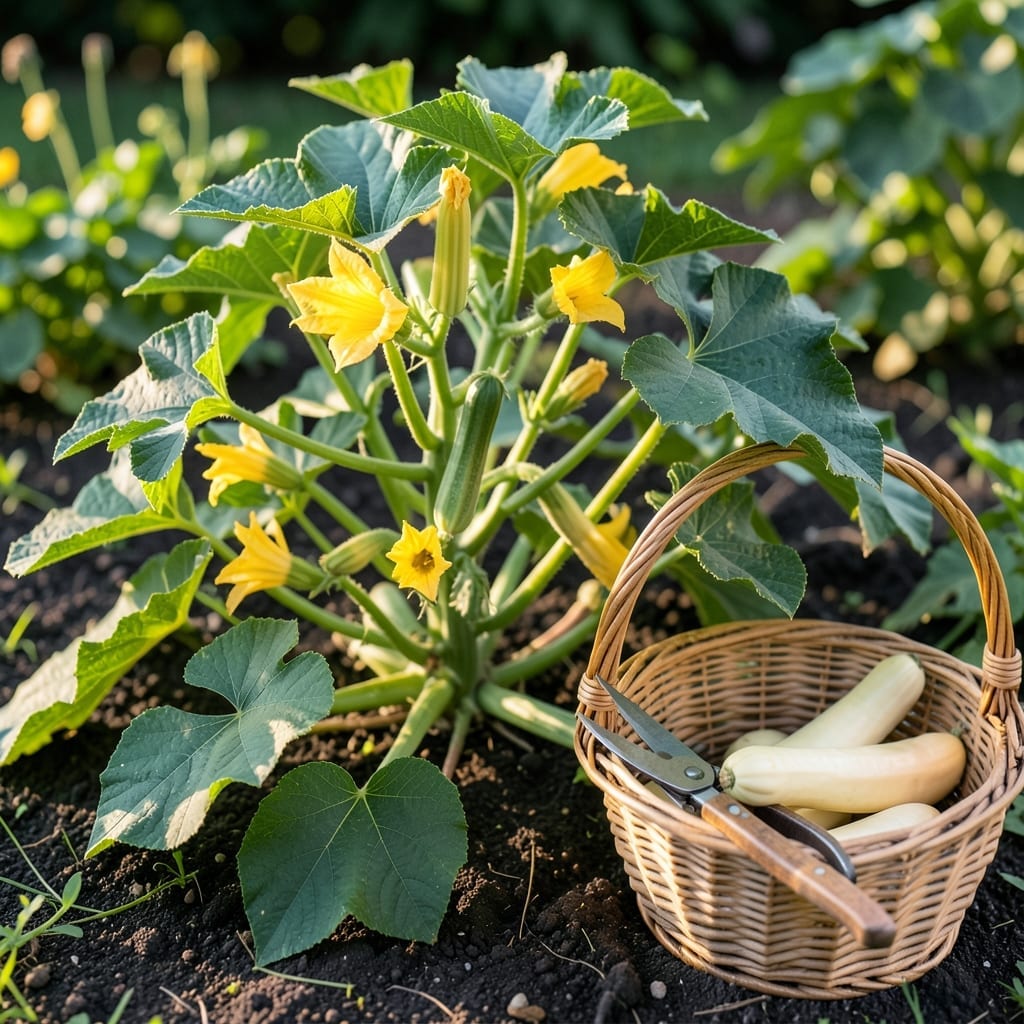
I finally nailed growing pale summer squash after years of spotty results. The key is timing—plant after soil warms to 70°F and you’ll get tender fruit within 50 days.
These plants thrive with consistent moisture and full sun, producing abundant harvests all season. Just watch for squash bugs and powdery mildew, the usual troublemakers.
📚 In This Guide
Here’s the method I rely on to grow pale yellow squash with consistent success every season.
Choose a location with full sun exposure (at least 6-8 hours of direct sunlight daily). Pale yellow squash thrives in well-draining, fertile soil with a pH between 6.0-6.8. I always test the soil first—amending with compost or aged manure improves both texture and nutrient content.
Work the soil to a depth of 12-15 inches, removing any rocks or debris that could obstruct root growth. Raise the planting area slightly into a mound or ridge to ensure proper drainage, as waterlogged roots will rot. This preparation gives your plants the best start.
Directly sow seeds after the last frost when soil temperatures reach at least 60°F. Plant seeds 1 inch deep and space them 2-3 feet apart in rows 4-6 feet apart. If using transplants, set them at the same depth they were growing in their containers.
Pale yellow squash grows quickly, so I plant in succession every 2-3 weeks for continuous harvests. Water immediately after planting to settle the soil around the seeds or roots. Avoid overhead watering to prevent disease—drip irrigation works best.
Maintain even soil moisture, providing about 1-1.5 inches of water weekly, more during hot, dry spells. Mulch around plants with 2-3 inches of organic material to retain moisture and suppress weeds. This also keeps the fruit clean as it develops.
Fertilize lightly when plants begin to vine and again when the first fruits appear. I use a balanced organic fertilizer, following the package rate. Watch for pests like squash vine borers—cover young plants with row covers until they bloom to prevent infestations.
Begin harvesting pale yellow squash when the fruit is 6-8 inches long and the skin is still tender enough to pierce with a fingernail. Check plants daily once they start producing, as these squash grow rapidly and can become oversized and seedy if left too long.
Use a sharp knife or pruning shears to cut the fruit from the vine, leaving about 1 inch of stem attached. Handle gently to avoid bruising. For best flavor, harvest in the morning when the fruit is at its freshest and most hydrated.
Pale yellow squash is best used within 3-5 days of harvest for peak flavor and texture. Store unwashed in a plastic bag in the refrigerator. For longer preservation, blanch and freeze, or pick young fruit for canning.
This variety is versatile—ideal for grilling, sautéing, or baking. The more you harvest, the more the plants will produce, so keep picking throughout the growing season to encourage continued yield.
Here’s what I’ve learned from seasons of growing pale yellow squash that’ll save you time and heartache.
Sunlight Essentials: Those 6-8 hours of direct sunlight daily aren’t just a suggestion—they’re critical. I once tried a partially shaded spot and ended up with leggy plants and poor yields. If your garden has limited sun, consider container growing on a sunny patio or balcony where you can control the light exposure.
Soil Preparation Wisdom: Working the soil to that 12-15 inch depth makes a noticeable difference in root development. Don’t rush this step. I use a garden fork to loosen the soil thoroughly, and I always remove every rock I find—even the small ones can deform growing squash. The raised mound technique mentioned in Step 1 is particularly effective in clay-heavy soils.
Planting Timing: Waiting for soil temperatures to reach at least 60°F is non-negotiable. I’ve made the mistake of planting too early when a late cold snap hit, and the seeds just rotted in the cold ground. Use a soil thermometer rather than guessing based on air temperature—it’s the only reliable way to know your soil is ready.
Harvesting Technique: That 1 inch of stem you leave attached isn’t just for looks—it helps preserve moisture and prevents early spoilage. I carry a small pair of pruning shears in my pocket during harvest season. Also, checking daily once production starts is crucial; these squash can go from perfect to oversized in just a day or two during warm weather.
Pale yellow squash often signals a lack of sunlight, poor soil nutrition, or overwatering. Ensure it gets 6-8 hours of sunlight daily and well-draining soil rich in compost. Adjust watering to keep soil moist but not soggy.
Harvest when the squash is 4-6 inches long for the best flavor and tenderness. Use a sharp knife to cut the stem, leaving about an inch attached. Early morning is ideal for picking to retain freshness.
Yes, if the squash feels firm and the skin is smooth, it’s typically safe to eat. Discoloration may be due to environmental factors, but always check for soft spots or mold before consuming.
Try zucchini, pattypan squash, or butternut squash as easy-to-grow alternatives. These varieties thrive under similar conditions and offer comparable nutritional benefits and versatility in recipes.
Rotate crops yearly, avoid overhead watering, and remove affected leaves promptly. Use organic fungicides like neem oil and ensure good air circulation to reduce the risk of powdery mildew or blight.