
Beautiful Plants For Your Interior
Beautiful Plants For Your Interior
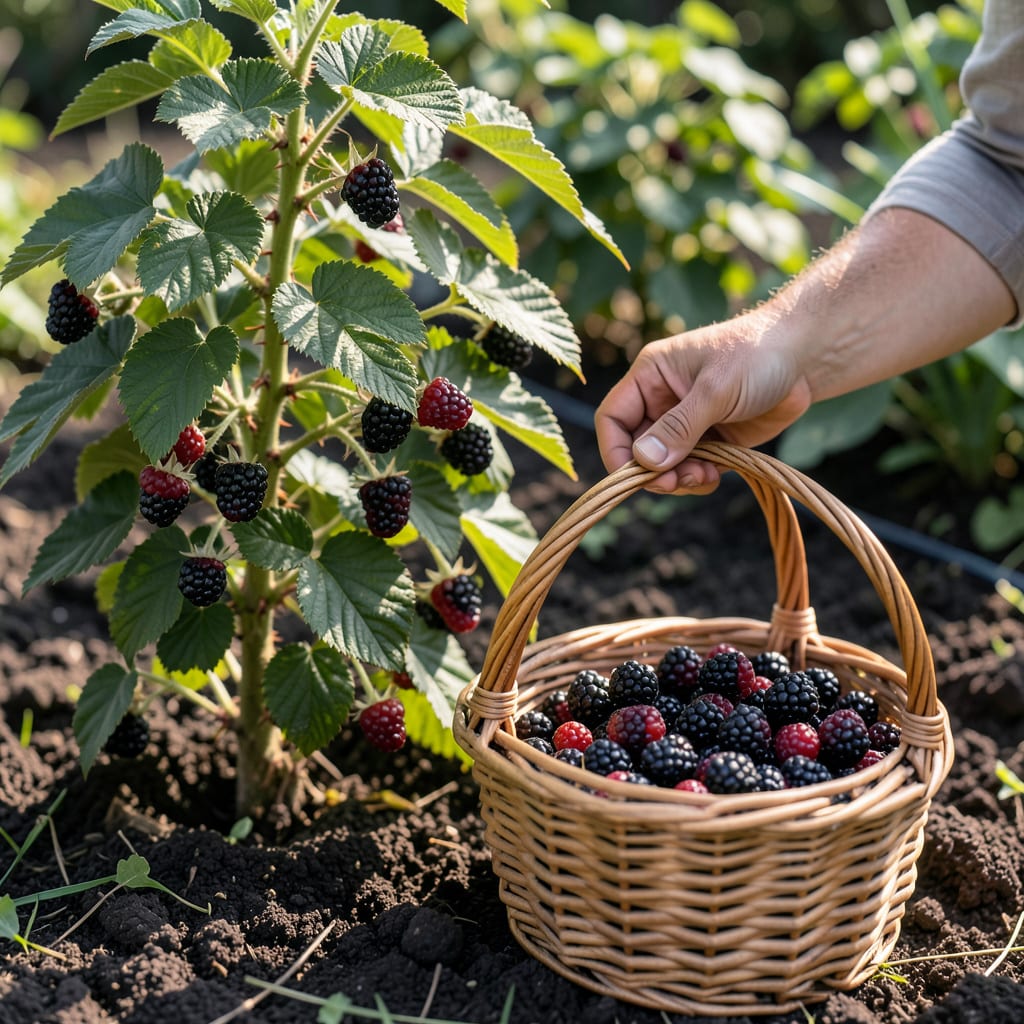
Nothing beats the taste of sun-ripened Blackberry 🫐 picked at peak ripeness. In the Northern Hemisphere, summer brings the sweetest harvest window you won’t want to miss.
I’ll show you exactly when to start picking and how to spot the perfect berries. With these tips, you’ll fill your basket with juicy, flavorful fruit every time.


In the Northern Hemisphere, blackberry harvest season typically runs from early July through late August. This window shifts slightly based on your USDA zone and local climate conditions.
I’ve found that early varieties like ‘Apache’ may ripen in late June, while late varieties such as ‘Triple Crown’ can extend into early September. Watch for these timing differences in your region.
The most reliable visual cue for harvest is deep black color. Berries should appear glossy and plump, not dull or shriveled. This indicates full sugar development.
Another key sign is easy detachment. A ripe blackberry will come off the receptacle with just a gentle tug. If you have to pull hard, it’s not ready yet.
I always check the core color too. When it changes from white to black, you’ve hit the sweet spot. This internal change confirms the berry has fully ripened.
Timing your harvest for cool morning hours helps preserve freshness. The berries are firmer and less likely to crush. Avoid picking in the heat of the day when they’re softer.
For thorny varieties, wear long sleeves and use gardening gloves. I also bring a small container to collect berries without squashing them.
Remember that rainfall can affect ripening. Too much water may dilute flavor, while drought conditions can accelerate harvest. Monitor your plants closely during weather changes.
Finally, taste-test a few berries from different parts of the plant. This helps confirm uniform ripeness across your entire blackberry patch. When most berries pass the taste test, it’s time for a full harvest. ☀️
The blackberry harvest season in the Northern Hemisphere isn’t one-size-fits-all. Your local climate and the variety you grow can shift the timeline by weeks. Cooler regions may see later ripening.
Thornless varieties like ‘Natchez’ often ripen earlier than thorny types. Meanwhile, trailing blackberries may need more heat to fully sweeten. Know your plant’s needs.
Temperature swings can also impact ripening. A late spring frost might delay fruit set, while heat waves can cause berries to ripen unevenly. Monitor closely.
Rainfall patterns play a role too. Too much water can lead to bland berries, while drought stress may cause early ripening. Aim for consistent moisture during fruit development.
I’ve noticed that sandy soils often produce earlier harvests, while clay soils may delay ripening. Test your soil’s drainage and amend as needed for best results.
For container-grown blackberries, expect slightly earlier ripening due to warmer root zones. Just be sure to water regularly, as pots dry out faster.
🌿I always harvest my blackberries in the early morning when temperatures are cool. This keeps the fruit firm and prevents crushing during collection.
The best way to test ripeness is the gentle tug method. A ripe berry will detach easily from its receptacle, while unripe ones will resist.
🌱 Pro Tip: Pick blackberries every 2-3 days during peak season to catch them at perfect ripeness before they overripe or attract pests.
For thorny varieties, I recommend wearing long sleeves and using gardening gloves. A small container with a wide opening helps avoid squashing the berries.
Always check the core color before harvesting. When it turns from white to black, you’ll know the berry is fully ripe and at its sweetest.
After picking, store your blackberries in the refrigerator unwashed. Only rinse them right before eating to maintain freshness and prevent mold. ✂️
Most varieties ripen from early July through late August in the Northern Hemisphere. Early types may start in late June, while late varieties can extend into early September.
Look for deep black color and glossy texture. Ripe berries detach easily with a gentle tug and have a black core instead of white.
Yes! Heat waves can speed ripening by 5-7 days, while cool springs may delay it by 1-2 weeks. Consistent moisture produces the sweetest fruit.
During peak season, check every 2-3 days. Berries ripen quickly and can overripen or attract pests if left too long.
