
Beautiful Plants For Your Interior
Beautiful Plants For Your Interior
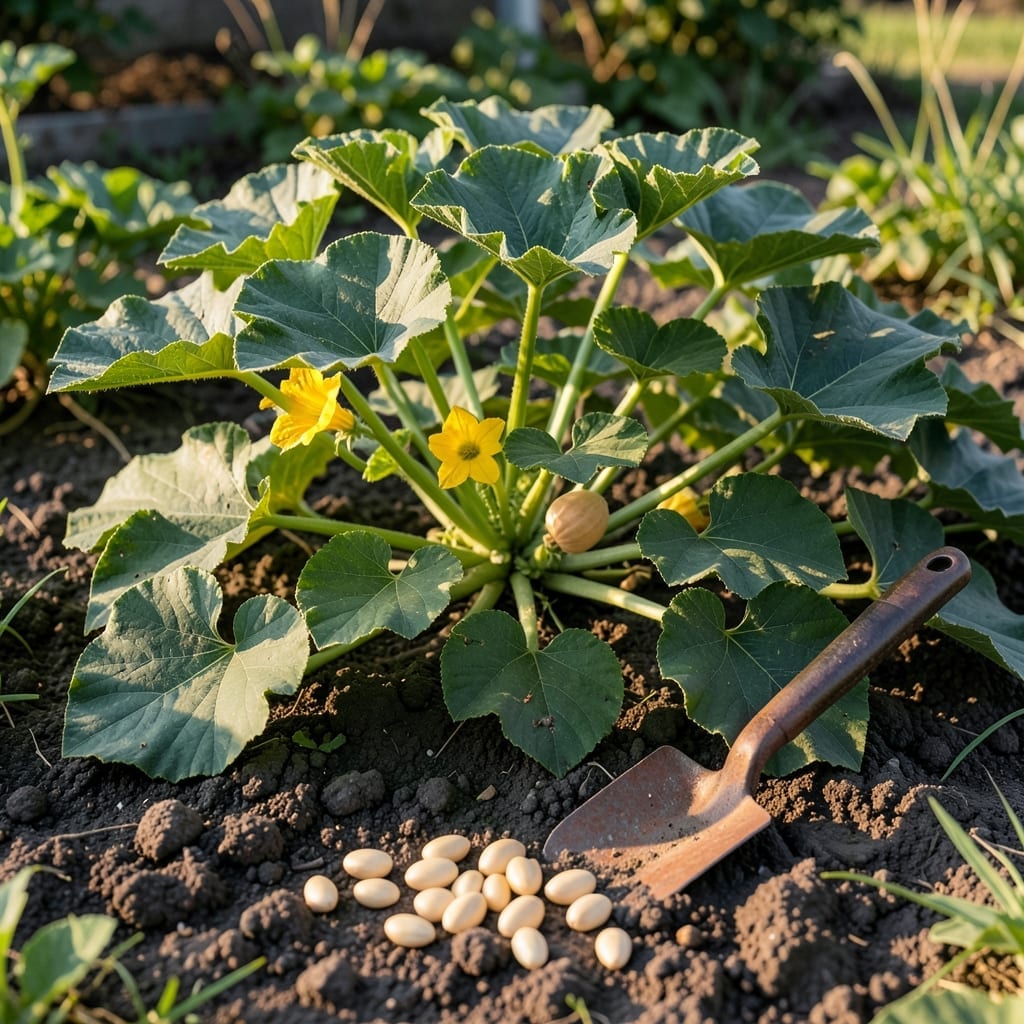
Timing is everything when it comes to growing Butternut Squash 🎃 in the UK. Plant too early, and frost can wipe out your seedlings. Plant too late, and your harvest may suffer.
I’ve learned the hard way that getting the timing right makes all the difference. Whether you’re in Zone 8a or another part of the UK, the window for success is narrow.
You’ll want to aim for that sweet spot when soil temperatures are just right. This ensures your seeds have the best chance to germinate and grow strong.
Discover how to nail the perfect planting schedule and set yourself up for a bountiful autumn harvest of delicious, nutty squash.
As a gardener in the UK, I know that timing is critical for butternut squash. These warm-season plants need soil temperatures above 10°C (50°F) to germinate properly. Planting too early risks cold damage to tender seedlings.
I always check the last frost date for my region. In most UK areas, this falls between mid-April and mid-May. Starting seeds indoors 3-4 weeks before this date gives them a head start. Direct sowing works best after the soil has warmed sufficiently.☀️
| Planting Factor | Recommendation |
|---|---|
| Indoor Start | April for most regions |
| Direct Sow | Late May to early June |
| Soil Temp | Minimum 15°C (60°F) |
| Sunlight | Full sun (6+ hours) |
| Depth | 1 inch (2.5 cm) deep |
In my experience, southern England can plant earlier than northern regions. I’ve found that early varieties like ‘Waltham’ do well with an April indoor start, while maincrop types prefer a May start. Always use individual pots to avoid disturbing roots.
For direct sowing, I wait until late May when the soil is truly warm. I plant 2-3 seeds per hole, 1 inch deep, and thin to the strongest seedling. This method works well in warmer microclimates or under cloches for protection.
I’ve learned that container growing is possible with large pots. Ensure they have good drainage and use quality compost. Remember that butternut squash are heavy feeders, so I mix in plenty of organic matter before planting.
The growing season in the UK is shorter than in warmer climates. I choose fast-maturing varieties that can produce in 90-100 days. This ensures a harvest before the first autumn frosts arrive.
I always monitor weather forecasts closely. A late spring frost can be devastating. If cold nights are predicted, I cover my plants with fleece or cloches. This simple step has saved my crops many times.
For the best results, I harden off indoor-started seedlings before transplanting. I do this by gradually exposing them to outdoor conditions over 7-10 days. This reduces transplant shock and helps them establish quickly.
I’ve found that mulching with organic material helps maintain soil temperature and moisture levels. This is especially important in the UK’s changeable weather. A thick layer of straw or compost works wonders.🌱
Planting butternut squash seeds outdoors is exciting, but preparation is key. I always start by checking the soil temperature—it must be at least 10°C for successful germination. In most UK regions, this happens in late May.
Choose a sunny spot with at least 6 hours of sunlight daily. Butternut squash thrives in well-draining soil, so I amend my beds with compost before planting. This gives the seeds a nutrient-rich start 🌱
If you’re short on space, container growing works well. Use a large pot (at least 5 gallons) and ensure it has drainage holes. The vines will still need room to sprawl, so I place mine near a trellis.
Watering is crucial in the first few weeks. I keep the soil consistently moist but not soggy. Once the plants establish, I reduce watering slightly but never let the soil dry out completely ☀️
For extra protection against late frosts, I use fleece covers at night. This simple step has saved many of my seedlings. Remember, butternut squash is frost-sensitive, so timing and protection are everything.
Finally, be patient. Germination can take 7-14 days. Once the seedlings emerge, I watch for pests like slugs and remove them by hand. With care, you’ll have strong vines ready for a great harvest 🌿