
Beautiful Plants For Your Interior
Beautiful Plants For Your Interior
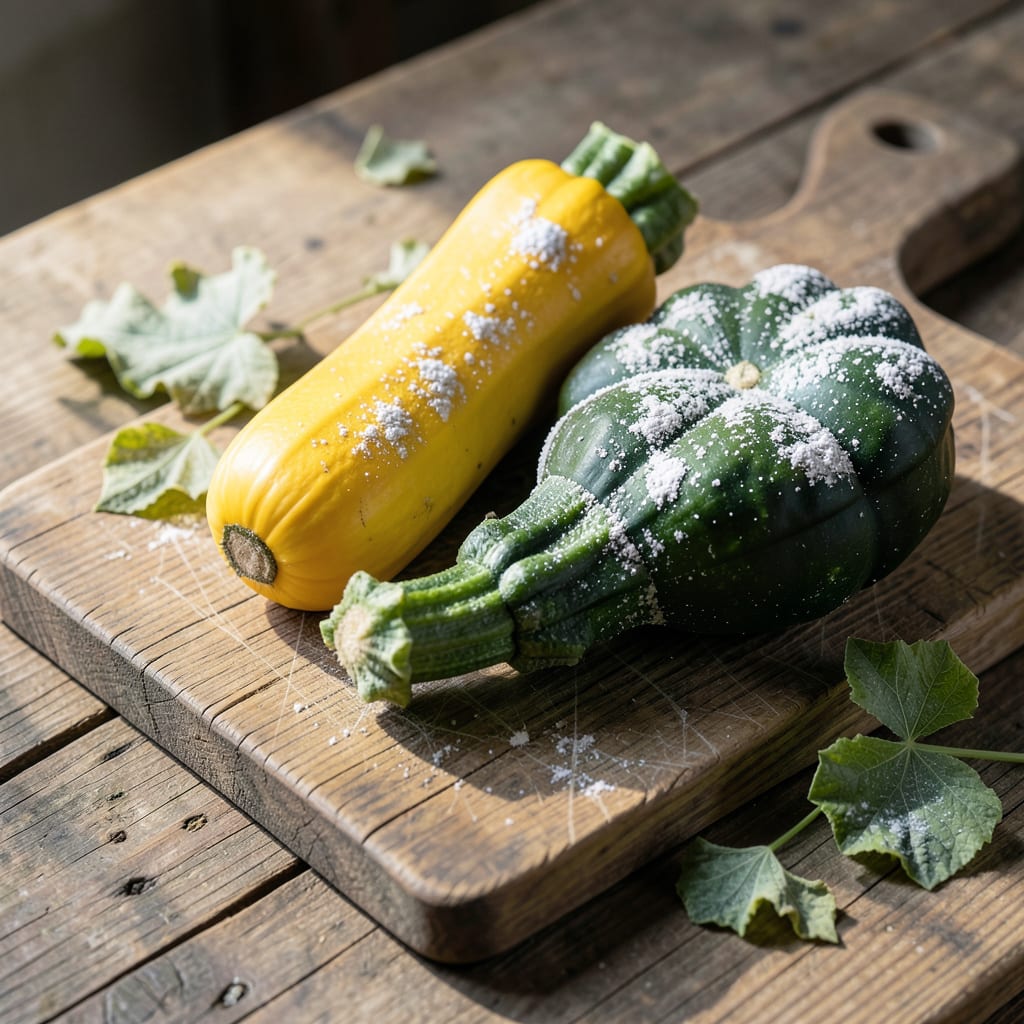
White powder on your squash leaves means trouble. I’ve lost entire crops to powdery mildew before learning how to stop it early.
This fungus spreads fast in hot, dry weather, coating leaves and stunting growth. But the right cultural practices and organic sprays can keep it in check.
You’ll save your plants with better airflow, resistant varieties, and timely treatments. The key is catching it before it takes over.
No fancy tools needed—just consistency and a watchful eye. Here’s how to protect your harvest.
Powdery mildew on summer squash thrives under specific environmental and biological conditions. Understanding these triggers helps you prevent and manage outbreaks effectively.
This fungal disease flourishes in humid environments (60–80% relative humidity) with stagnant air. Dense plantings or overhead watering create moist foliage, which Podosphaera xanthii (the primary causal fungus) needs to germinate and spread. Crowded gardens or lack of pruning limit airflow, trapping moisture around leaves.
Powdery mildew spores activate in temperatures between 60–80°F (15–27°C), with ideal infection conditions occurring when warm days are followed by cool, dewy nights. Unlike other fungi, this pathogen doesn’t require free water to infect—just high humidity. Summer squash’s rapid growth and broad leaves create a perfect microclimate for spores to thrive.
Some summer squash cultivars lack genetic resistance to Podosphaera strains. Heirloom or older varieties, while flavorful, are often more vulnerable than modern powdery mildew-resistant (PMR) hybrids. Check seed labels for resistance codes like _PM_ to reduce risk.
Wetting foliage during watering—especially in the late afternoon or evening—extends leaf moisture duration, giving spores more time to infect. Drip irrigation or soaker hoses deliver water directly to the soil, keeping leaves dry and less hospitable to fungi.
Excess nitrogen promotes lush, soft growth that’s more susceptible to powdery mildew. Conversely, low potassium or phosphorus weakens plant defenses. A balanced fertilizer (e.g., 5-10-10) and soil testing can help maintain vigor without overfeeding.
Tackling powdery mildew on your summer squash doesn’t have to be a losing battle. Here’s how to address the most common causes and restore your plants to health—plus tips to keep the fungus from returning.
Crowded plants trap moisture and create the perfect environment for powdery mildew. Thin out dense foliage by pruning excess leaves, especially in the center of the plant, to allow air to move freely. Space new plantings at least 2-3 feet apart. Prevention tip: 💡 Use trellises for vining varieties to lift leaves off the ground and boost circulation.
Wet leaves are a mildew magnet. Switch to drip irrigation or a soaker hose to deliver water directly to the soil, keeping foliage dry. If you must use a sprinkler, water early in the morning so leaves dry quickly in the sun. Prevention tip: 🌡️ Avoid evening watering—cool, damp nights encourage fungal growth.
Humid conditions speed up mildew spread. Remove weeds and debris around plants to minimize trapped moisture. Mulch with straw or wood chips to prevent soil splashing onto leaves. Prevention tip: ✨ Choose resistant summer squash varieties like ‘Dunja’ or ‘Sunbeam’ for humid climates.
For active infections, spray leaves with a mix of 1 tablespoon baking soda, 1 teaspoon dish soap, and 1 gallon of water. Apply weekly at the first sign of white spots. Neem oil (mixed per label instructions) is another effective organic option. Prevention tip: 🎯 Remove and destroy heavily infected leaves to stop the spread—don’t compost them!
Consistency is key: combine these fixes with regular monitoring to keep your summer squash thriving all season long.
It can cover leaves in 2-3 days under ideal conditions. Warm, dry weather with high humidity accelerates growth. Check plants daily to catch it early.
Yes, the fruit is safe to eat if washed thoroughly. The fungus only affects leaves, not the edible parts. Harvest immediately if leaves are heavily coated.
Spores survive in soil and plant debris. Remove all infected leaves and rotate crops yearly. Resistant varieties help long-term.
Light rain can wash spores away, but heavy rain spreads them. Water at the base only, never overhead. Morning watering is best.
