
Beautiful Plants For Your Interior
Beautiful Plants For Your Interior
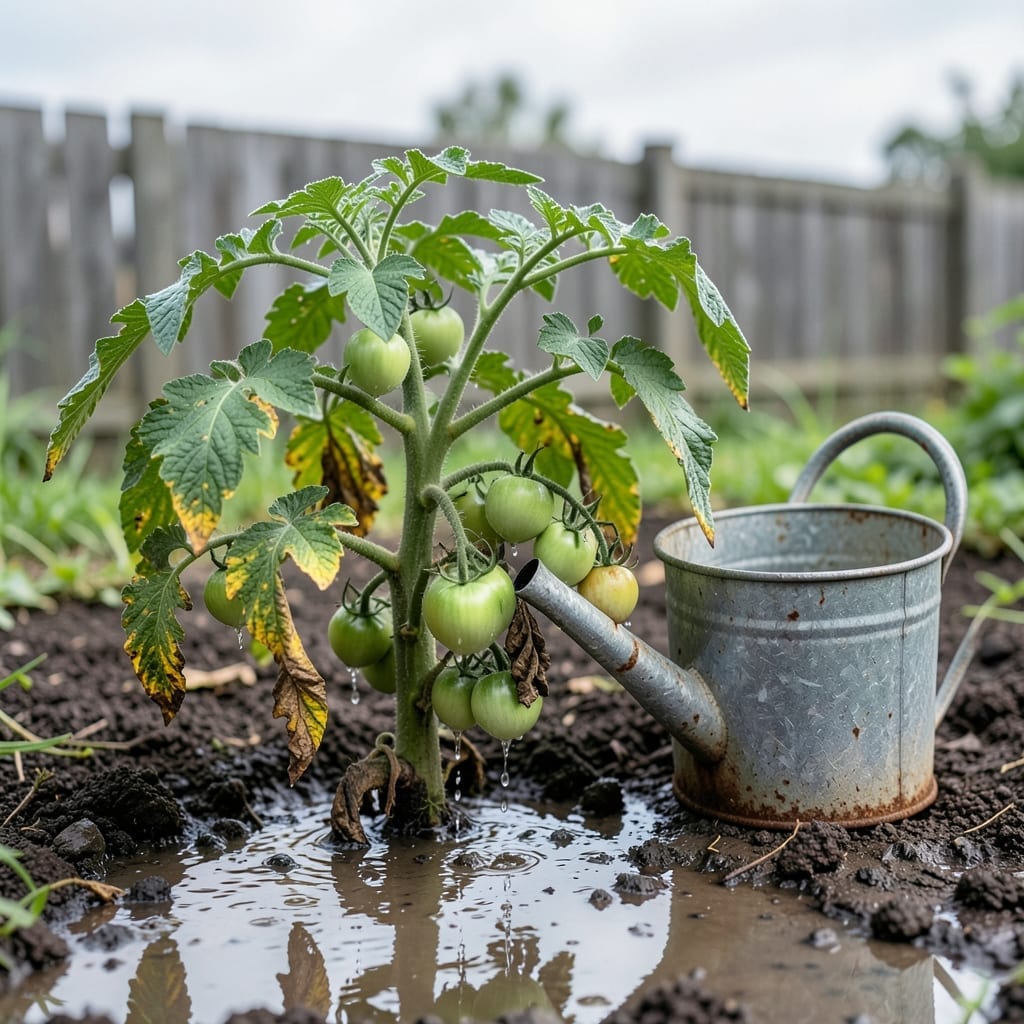
Yellow leaves and soggy soil spelled disaster for my first garden. Overwatering sneaks up fast, turning healthy plants into drowning victims before you notice the signs.
I learned the hard way that more water doesn’t equal more growth. Drooping foliage, mushy stems, and that telltale sour smell from the soil are your plant’s SOS. The fix starts with stopping the water and letting the roots breathe.
After a few days of dry conditions, most plants bounce back—if you catch it early. The key is checking soil moisture with your finger before watering, not just sticking to a schedule.
Works for flowers, shrubs, even your vegetable patch. Here’s how to save them.
Overwatering outdoor plants often stems from well-intentioned but misguided care. Here’s why it happens:
Soil that doesn’t drain properly traps water around roots, suffocating them. Heavy clay soils or containers without drainage holes are prime culprits. Roots need oxygen, and waterlogged soil blocks airflow, leading to rot.
Many gardeners stick to rigid watering routines without checking soil moisture. Plants have varying needs based on species, weather, and soil type. Watering on autopilot—rather than responding to actual thirst—drowns roots.
Cool, cloudy weather or shaded areas slow evaporation, leaving soil soggy. Wind, heat, and humidity also play roles. Failing to adjust watering habits to these conditions can oversaturate the soil, even with good intentions.
Some plants, like succulents or drought-tolerant natives, thrive on minimal water. Misjudging their needs—assuming all plants require frequent watering—leads to overhydration. Always research a plant’s specific requirements.
If your outdoor plants are showing signs of overwatering, act fast to nurse them back to health. Here’s how to tackle the most common issues and prevent future mishaps.
If leaves are turning yellow, your plant’s roots may be drowning. Stop watering immediately and check the soil. If it’s soggy, repot the plant in fresh, well-draining soil or amend the garden bed with compost and perlite. Ensure pots have drainage holes, and for in-ground plants, consider raising the bed slightly to prevent waterlogging.
Prevention tip: 💡 Water only when the top 1-2 inches of soil are dry.
Wilting doesn’t always mean thirst—it can signal root asphyxiation from too much water. Move the plant to a shaded, breezy spot to speed up evaporation. For potted plants, tilt the container to drain excess water. Avoid watering again until the soil feels dry to the touch.
Prevention tip: 🌡️ Use a moisture meter to avoid guesswork.
A musty smell or white mold on the soil surface means fungal growth from excess moisture. Gently loosen the topsoil with a fork to improve airflow. For severe cases, remove the plant, trim any black or mushy roots, and repot in clean, dry soil. Discard heavily infested soil to prevent reinfection.
Prevention tip: ✨ Add a layer of mulch to regulate moisture but keep it 2-3 inches away from the stem.
Slow or no growth can result from consistent overwatering. Reduce watering frequency and let the plant recover. Stick to a schedule based on the plant’s needs—succulents need less, while leafy greens may require more. Always water deeply but less often to encourage strong root growth.
Prevention tip: 🎯 Group plants with similar water needs together.
Water when the top 1-2 inches of soil feel dry. This varies by plant type and weather, so always check before watering. Most thrive on deep, infrequent watering rather than daily light sprinkles.
Yellowing leaves, wilting, and soggy soil are early red flags. A foul smell or mold on the soil surface means it’s time to act fast. Don’t wait for symptoms to worsen.
Yes, if caught early! Stop watering, improve drainage, and let the soil dry out. Trim any black or mushy roots before repotting in fresh soil for best results.
Use well-draining soil amended with compost and perlite. For pots, ensure they have drainage holes. Raised beds help in-ground plants avoid waterlogged conditions.