
Beautiful Plants For Your Interior
Beautiful Plants For Your Interior
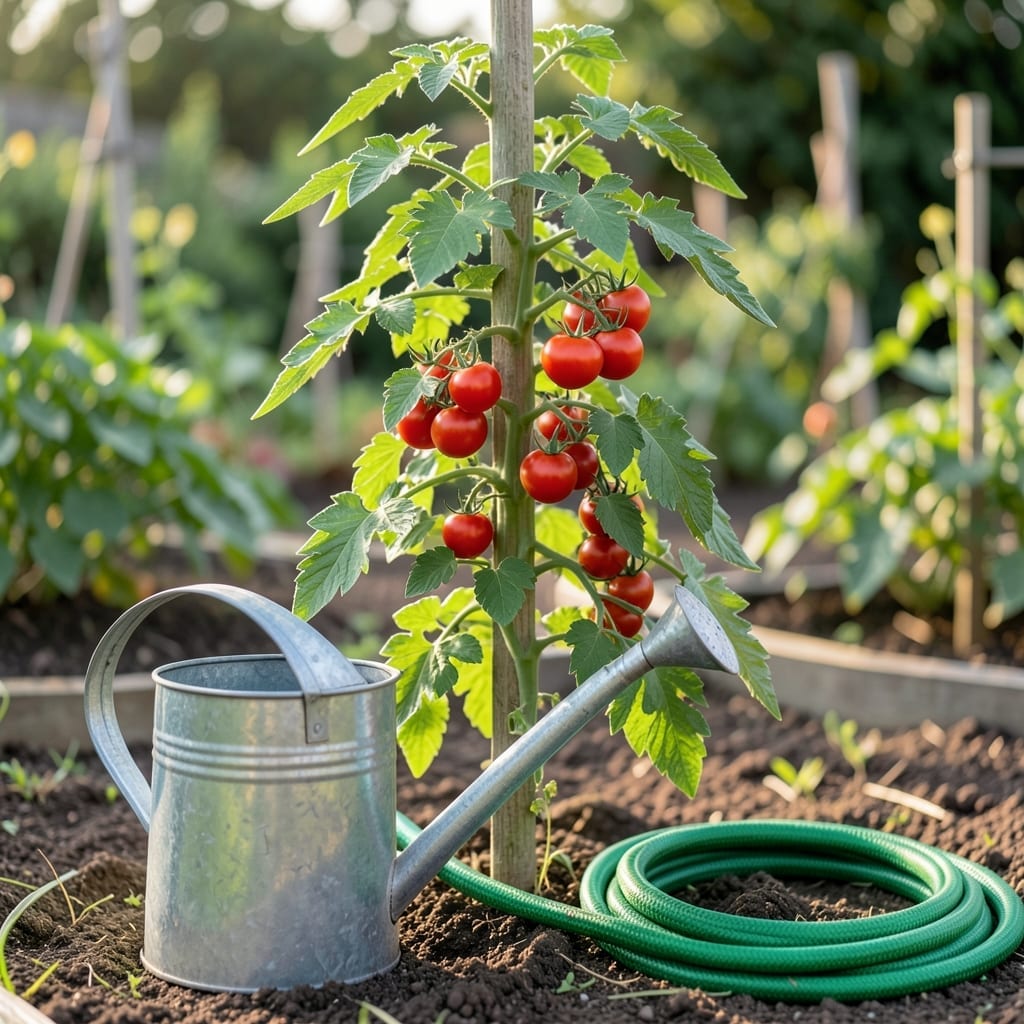
Overwatering or underwatering can spell disaster for your 🌱 General Outdoor Plants, but getting the schedule right ensures lush, healthy growth all season long. The secret isn’t guesswork – it’s understanding your plants’ unique needs.
I’ve seen too many gardeners struggle with wilting leaves or soggy soil, when a simple adjustment could make all the difference. Whether you’re new to gardening or looking to improve, this guide will help you find the perfect balance.
Discover how to adjust your watering routine based on season, soil type, and plant variety. Let’s make your outdoor space thrive with less effort and better results.
Getting your watering schedule right means adapting to the seasons. In spring, most plants need weekly watering as they wake from dormancy. The soil is cooler but warms quickly, so check moisture 2 inches deep before watering.
Summer is when things get tricky. With higher temperatures and increased evaporation, I water my garden 2-3 times per week. Early morning is best to reduce water loss and prevent fungal issues.
| Season | Climate Type | Watering Frequency |
|---|---|---|
| Spring | Temperate | Weekly |
| Summer | Arid | Every 2-3 days |
| Fall | Humid | Every 10-14 days |
| Winter | All | Bi-weekly |
In arid climates, I’ve learned to water deeply but less often. This encourages root growth downward where moisture lingers. Use a moisture meter or the finger test to avoid guessing.
For humid regions, the rule changes. Plants often need less frequent watering because the air holds moisture. I check my tomato plants every 5-7 days and adjust based on rainfall.
Fall brings cooler temps and more rain. I reduce watering to every 10-14 days for most plants. This helps them prepare for dormancy without stressing from too much moisture.
Winter is the easiest season for watering. With most plants dormant, I switch to bi-weekly watering unless we have a dry spell. Always water on warmer days when the soil isn’t frozen.
Don’t forget soil type matters too. Sandy soil drains fast and needs more frequent watering. Clay soil holds moisture longer but can suffocate roots if overwatered.
I always mulch heavily in summer to retain moisture. A 2-3 inch layer of organic mulch keeps roots cool and reduces watering needs by up to 30%.
Finally, newly planted outdoor plants need extra attention. Water them every 2-3 days for the first 2 weeks, then gradually reduce as they establish. This gives roots time to spread and access deeper moisture 🌱
Your plants send clear signals when their watering needs aren’t met. I always check for wilting leaves first – this often means underwatering but can also indicate root rot from too much water.
The finger test is my go-to method. Stick your finger 2 inches into the soil – if it’s bone dry, it’s time to water. If it’s soggy, hold off for a few days.
Early morning is the best time to spot these signs. The light is gentle, and you’ll see true plant conditions before the day’s heat sets in. I make it part of my daily garden walk.
For overwatered plants, I immediately stop watering and check the drainage. If the soil stays wet, I might need to amend with compost or create raised beds for better flow.
Underwatered plants often recover quickly with a deep watering. I use a soaker hose to deliver water slowly at the base, ensuring it reaches the root zone without runoff.
Remember, container plants dry out faster than in-ground ones. I check my potted herbs daily in summer, while my established shrubs might only need weekly attention. Always adjust based on your specific plants and conditions 🌿