
Beautiful Plants For Your Interior
Beautiful Plants For Your Interior
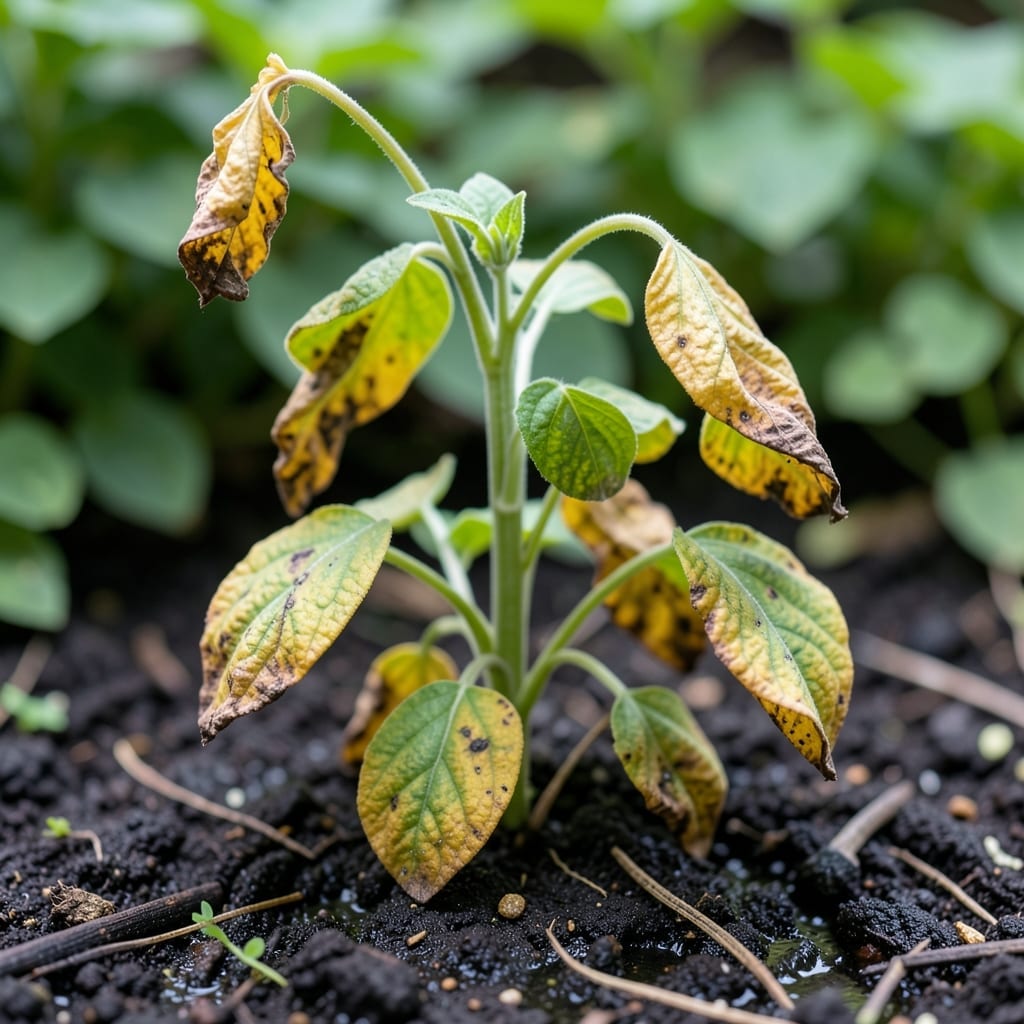
Yellow leaves and droopy blooms don’t always mean your impatiens are thirsty. I’ve saved countless plants from the brink by realizing they were drowning, not drying out.
The fix is simpler than you think—stop watering immediately and let the soil dry between drinks. Most people overwater out of love, but impatiens prefer slightly moist, never soggy, conditions.
Within 2-3 days of proper care, you’ll see perked-up stems and brighter foliage. The recovery is fast once you break the cycle of too much water.
Works for container plants too—just ensure pots have drainage holes. Here’s how to bring them back to life.
Impatiens are popular for their vibrant blooms, but they’re highly susceptible to overwatering. Understanding why this happens helps prevent damage to your plants. Below are the most common causes, explained scientifically and with actionable insights.
Impatiens thrive in moist but well-drained soil. When watered too frequently, the soil becomes waterlogged, reducing oxygen availability to the roots. Roots need oxygen to respire—without it, they suffocate and rot. Fusarium and Phytophthora fungi thrive in soggy conditions, further damaging the plant.
Containers without drainage holes or garden beds with compacted, clay-heavy soil trap water around the roots. This stagnation prevents proper water flow, leading to root asphyxiation. Always use pots with drainage holes and amend heavy soils with organic matter like compost to improve porosity.
Watering from above—especially with a strong spray—can leave foliage wet for extended periods. This encourages fungal diseases like Pythium, which causes root and stem rot. Instead, water at the base of the plant to keep leaves dry and reduce disease risk.
Cool, humid conditions slow evaporation, keeping soil damp longer. If your impatiens are in a shaded, poorly ventilated area, they’re more prone to overwatering issues. Adjust your watering schedule based on weather—less in cool, rainy periods and more in hot, dry spells.
If your impatiens are showing signs of overwatering, quick action can save them. Here’s how to address each issue and prevent future problems.
Stop watering immediately and let the soil dry out. Check the top inch of soil—if it’s damp, wait another day or two. Resume watering only when the topsoil feels dry to the touch. Prevention tip: Water deeply but less frequently to encourage strong root growth. Use a moisture meter 🌡️ to take the guesswork out of timing.
If the soil is soggy, repot the plant in fresh, well-draining potting mix. Choose containers with drainage holes to prevent water from pooling. Elevate pots on saucers with pebbles to avoid root rot. Prevention tip: Mix in perlite or sand to boost drainage in heavy soils.
For mold or fungus, trim affected leaves and stems with clean scissors. Apply a copper-based fungicide to stop the spread. Increase airflow around the plant by spacing containers apart. Prevention tip: Avoid overhead watering—water at the base to keep foliage dry.
Gently remove the plant from its pot and inspect the roots. Trim black, mushy roots with sterilized pruners, then repot in fresh soil. Prevention tip: Use terracotta pots—they dry out faster than plastic, reducing rot risk.
Pro tip: 💡 Impatiens thrive in consistently moist (not wet) soil. Stick your finger in the soil weekly to gauge moisture levels before reaching for the watering can.
Water when the top 1 inch of soil feels dry. This usually means 2-3 times per week in warm weather, less in cooler months. Always check soil moisture first to avoid overdoing it.
Yellowing leaves and wilting stems appear first. If left unchecked, you may also notice mold on soil or mushy roots. Act fast—these plants decline quickly when overwatered.
Yes, but you must act immediately. Remove the plant, trim black roots, and repot in fresh soil. Use a pot with drainage holes to prevent recurrence.
Pots without drainage trap water. Even with holes, compacted soil can cause issues. Use a well-draining mix and elevate pots to allow excess water to escape.