
Beautiful Plants For Your Interior
Beautiful Plants For Your Interior
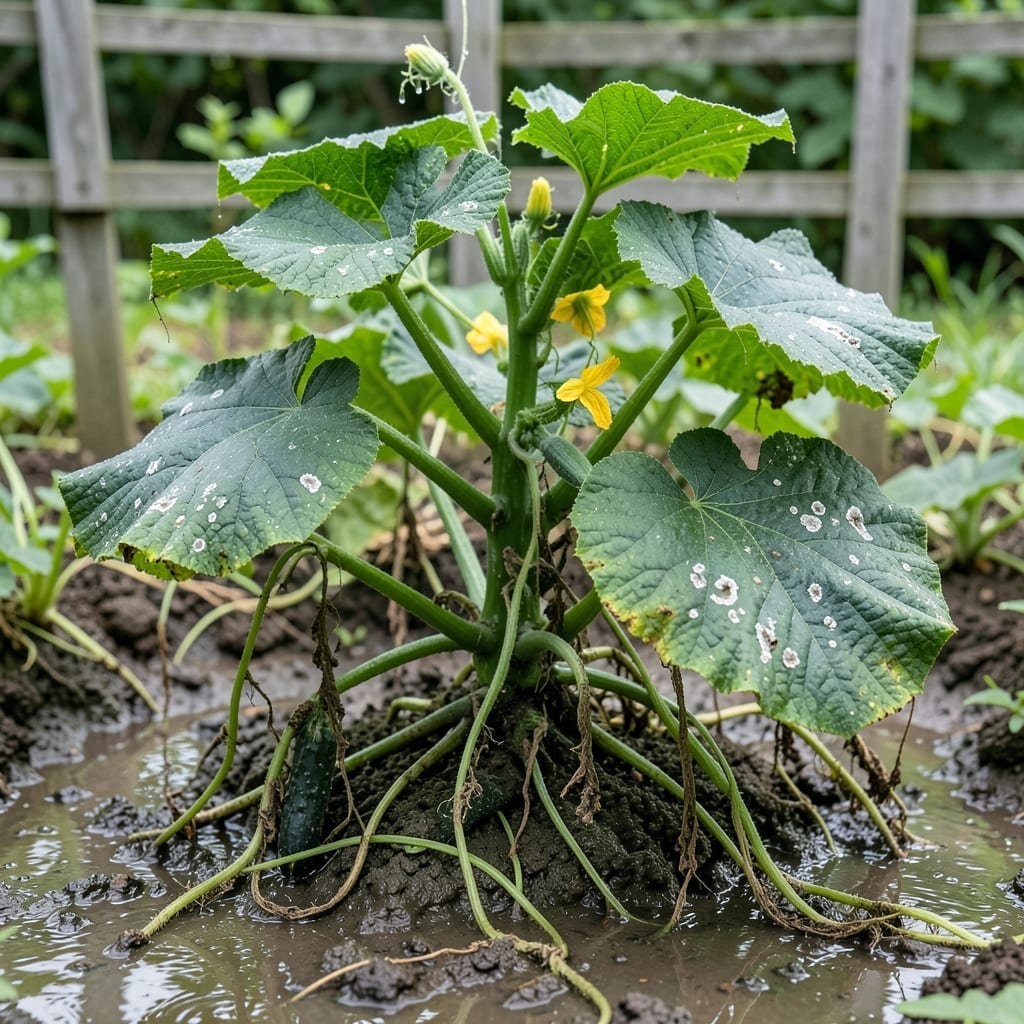
Yellowing leaves and soggy stems hit me hard last summer. My cucumbers looked like they needed water, but the problem was the opposite.
Overwatering suffocates roots, cutting off oxygen and inviting rot. I learned the signs: wilting that doesn’t improve with water, mushy stems, and leaves turning bright yellow.
The fix isn’t complex—stop watering immediately, check drainage, and let the soil dry. Most plants bounce back within a week if caught early.
Prevention is simpler than cure: water only when the top inch of soil feels dry. No guesswork, just a finger test.
Overwatering cucumber plants is a common issue, but understanding the root causes can help you prevent it. Here are the primary reasons why it happens:
Cucumber plants thrive with consistent moisture, but too much water too often can drown the roots. Roots need oxygen to respire, and saturated soil prevents this exchange, leading to stress and rot. Stick to a watering schedule based on soil dryness (top 1-2 inches) rather than a fixed routine.
Soil that doesn’t drain well retains excess water, suffocating roots. This often happens in heavy clay soils or containers without drainage holes. Ensure your cucumber plants are in well-draining soil or raised beds to avoid waterlogging.
While large pots seem beneficial, they can hold too much moisture for cucumber roots to use efficiently. Smaller, well-draining containers (with drainage holes) are better for controlling moisture levels and preventing overwatering.
Cool, cloudy weather slows evaporation, meaning soil stays wet longer. If you don’t adjust your watering habits, plants can become overwatered even with the same routine. Monitor weather conditions and reduce watering during humid or rainy periods.
Don’t panic—your cucumbers can bounce back! Here’s how to fix each issue and keep them thriving.
Fix: Stop watering immediately and let the soil dry out. Check the top 1-2 inches of soil—if it’s damp, hold off. Trim any severely wilted or yellow leaves to redirect energy. Move the plant to a shady spot temporarily to reduce stress.
Prevent: Water only when the top inch of soil is dry. Use a moisture meter or the finger test to avoid guessing. 💡 Pro tip: Water deeply but less frequently to encourage strong root growth.
Fix: Gently remove the plant from its pot or soil and inspect the roots. Trim away any black, mushy roots with clean scissors. Repot in fresh, well-draining soil and a container with drainage holes. Avoid fertilizing until the plant recovers.
Prevent: Always use pots with drainage holes and a quality potting mix designed for vegetables. Elevate containers to prevent waterlogging. 🌡️ Pro tip: Add perlite or sand to improve soil aeration.
Fix: Remove any visible mold or mildew with a damp cloth. Improve airflow around the plant by thinning out crowded foliage. Apply a natural fungicide like neem oil or a baking soda solution (1 tsp baking soda + 1 quart water + a drop of dish soap).
Prevent: Space plants properly to ensure good air circulation. Water at the base of the plant, not the leaves, to keep foliage dry. ✨ Pro tip: Water early in the day so leaves have time to dry before evening.
Fix: Reduce watering and check for root damage. If roots are healthy, yellow leaves may indicate nutrient imbalance. Flush the soil with water to remove excess salts from fertilizers, then resume a balanced feeding schedule.
Prevent: Use a slow-release fertilizer and follow package instructions carefully. Monitor leaf color as an early sign of overwatering or nutrient issues.
Look for yellowing leaves, wilting stems, or mushy roots. The soil may also have a foul odor or stay soggy for days after watering.
Use the finger test: water only when the top 1-2 inches of soil feels dry. Early morning is ideal, and always aim at the base, not the leaves.
Yes! Stop watering immediately, improve drainage, and trim damaged leaves. Most plants bounce back within 1 week if the roots aren’t severely rotted.
A moisture meter removes guesswork. Insert it 2-3 inches deep and water only when readings show dry soil. This prevents accidental overwatering.